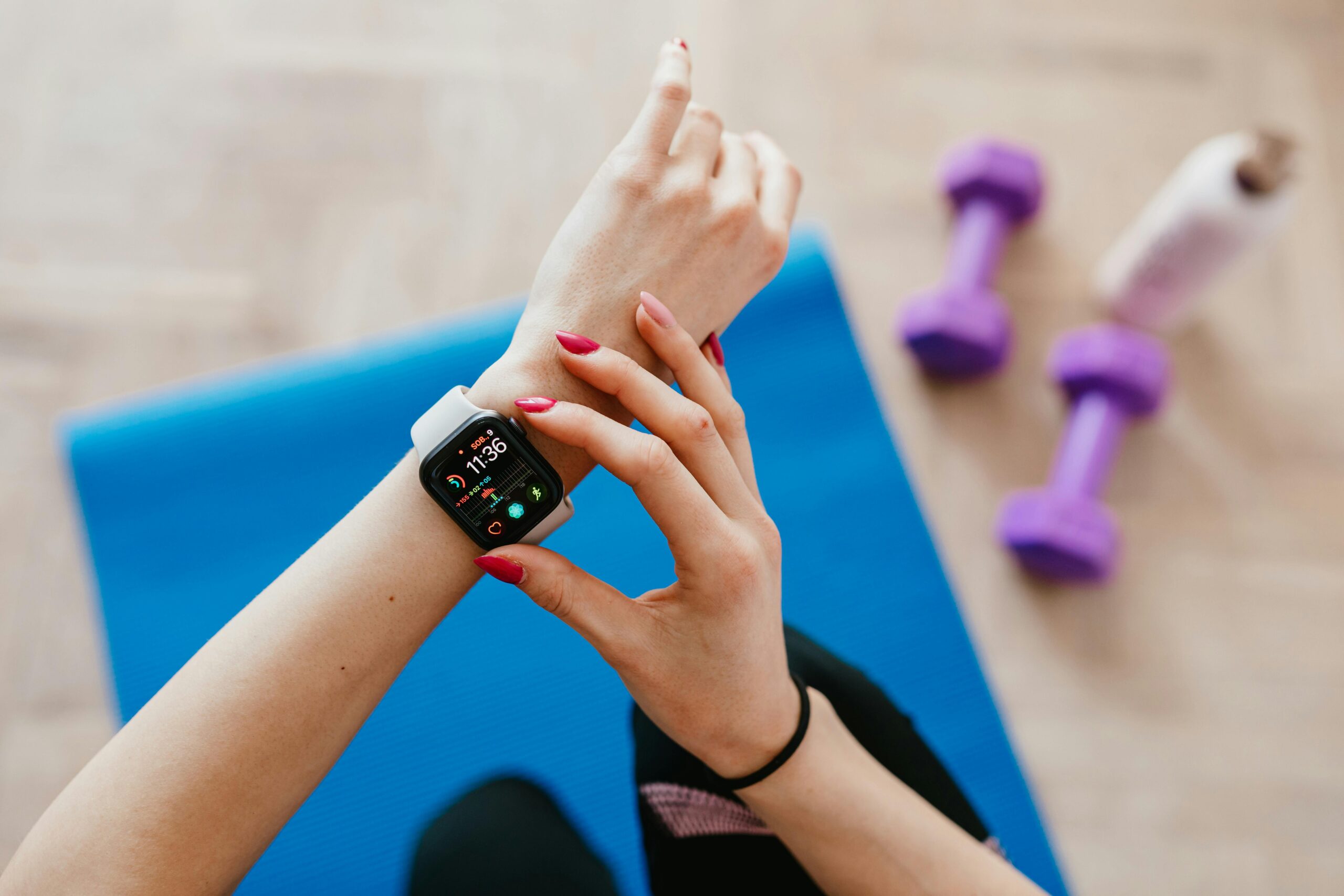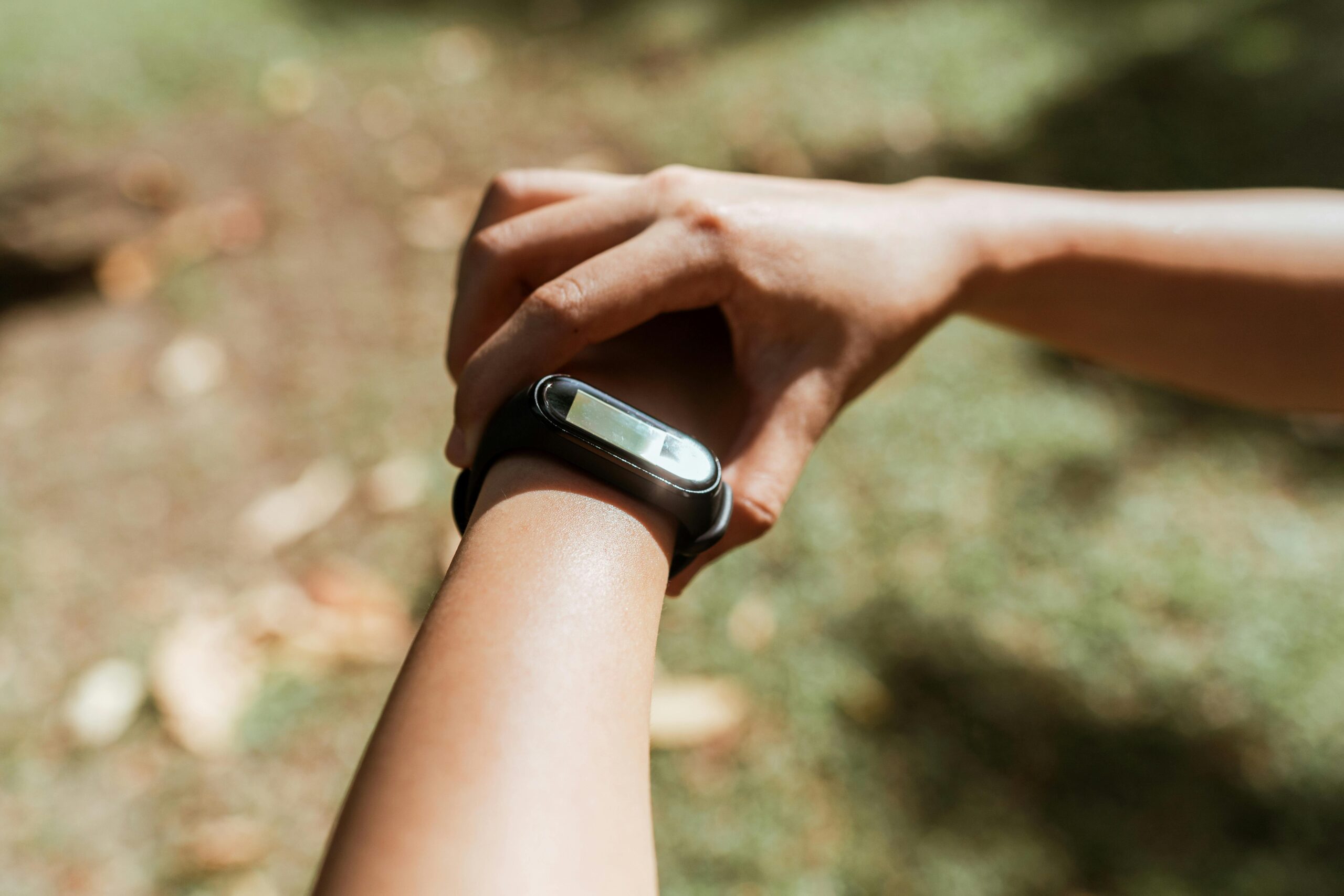
Wearable technology and advanced sensors are revolutionizing how we monitor health, fitness, and performance in real-time, creating unprecedented opportunities for personalized insights.

🚀 The Revolution of Real-Time Personal Monitoring
The landscape of personal health and performance tracking has undergone a dramatic transformation over the past decade. What once required expensive medical equipment and clinical settings can now be accomplished through compact devices worn on our wrists, chest, or even embedded in our clothing. This democratization of monitoring technology has empowered individuals to take control of their wellness journey like never before.
Wearable devices have evolved from simple step counters to sophisticated health monitoring systems capable of tracking dozens of biometric parameters simultaneously. Modern sensors can measure heart rate variability, blood oxygen saturation, skin temperature, electrodermal activity, and even predict potential health issues before they become critical. This shift represents more than just technological advancement—it signifies a fundamental change in how we approach preventive healthcare and performance optimization.
The global wearable technology market continues its explosive growth trajectory, with projections suggesting it will reach hundreds of billions of dollars in the coming years. This expansion isn’t merely driven by consumer curiosity but by tangible results that users experience daily. From athletes fine-tuning their training regimens to chronic disease patients managing their conditions more effectively, the applications are vast and continuously expanding.
📊 Understanding the Core Technologies Behind Smart Sensors
At the heart of every wearable device lies an intricate network of sensors working in concert to capture physiological data. Photoplethysmography (PPG) sensors use light-based technology to monitor blood flow and heart rate by detecting changes in blood volume beneath the skin. These optical sensors have become remarkably accurate, rivaling traditional medical-grade equipment in many applications.
Accelerometers and gyroscopes track movement patterns, enabling devices to differentiate between various activities such as walking, running, cycling, or swimming. When combined with GPS technology, these sensors provide comprehensive activity profiles that help users understand their movement patterns throughout the day. This data becomes invaluable for fitness enthusiasts seeking to optimize their training and for individuals working to maintain active lifestyles.
Electrocardiogram (ECG) sensors represent one of the most significant advances in consumer wearables. These sensors can detect irregular heart rhythms, including atrial fibrillation, which affects millions worldwide. The ability to conduct medical-grade ECG readings from a smartwatch has already saved lives by alerting users to potentially dangerous cardiac conditions requiring immediate medical attention.
🔬 Emerging Sensor Technologies on the Horizon
The next generation of wearable sensors promises even more impressive capabilities. Continuous glucose monitoring without invasive blood draws is becoming reality, offering hope for millions managing diabetes. These non-invasive sensors use various technologies, including optical spectroscopy and electromagnetic sensing, to track glucose levels through the skin.
Bioimpedance sensors measure the body’s electrical resistance to estimate body composition, hydration levels, and even cardiac output. This technology provides insights that were previously only available through specialized medical testing. As these sensors become more refined, they’ll offer increasingly accurate assessments of internal physiological states.
Sweat analysis sensors represent another frontier in wearable technology. By analyzing the chemical composition of perspiration, these sensors can detect electrolyte imbalances, lactate levels, and various biomarkers that indicate physiological stress or optimal performance zones. This information proves particularly valuable for endurance athletes and individuals working in demanding physical environments.
💪 Practical Applications for Fitness and Athletic Performance
Elite athletes and weekend warriors alike benefit from the granular data provided by modern wearables. Training load management has become significantly more scientific, with devices tracking not just activity duration and intensity but also recovery metrics that indicate when the body is ready for the next training stimulus. This approach helps prevent overtraining while maximizing performance gains.
Heart rate variability (HRV) has emerged as one of the most valuable metrics for assessing recovery and readiness. By analyzing the subtle variations in time between heartbeats, wearables can gauge autonomic nervous system balance and overall stress levels. Athletes use this information to adjust training intensity, while general users leverage it to manage lifestyle stress more effectively.
Sleep tracking capabilities have revolutionized how we approach recovery and restoration. Advanced sensors monitor sleep stages, providing insights into deep sleep, REM cycles, and periods of wakefulness. This information helps users identify sleep disruptors and optimize their sleep hygiene practices for better overall health and performance.
🏃 Optimizing Training Through Data-Driven Insights
The integration of multiple data streams creates a comprehensive picture of fitness and performance. When devices track workouts, recovery, sleep, and stress simultaneously, patterns emerge that would otherwise remain invisible. Users can identify correlations between sleep quality and workout performance, or recognize how stress impacts recovery capacity.
Personalized training zones based on individual physiological responses have replaced generic one-size-fits-all recommendations. Wearables can determine precise heart rate zones where users burn fat most efficiently, build aerobic capacity, or develop anaerobic power. This personalization ensures that every training minute delivers maximum benefit aligned with specific goals.
Real-time feedback during workouts enables immediate adjustments that optimize performance and safety. If a device detects that heart rate has exceeded safe thresholds or that form has deteriorated, it can alert the user to modify intensity or technique. This immediate feedback loop accelerates learning and reduces injury risk.
🏥 Healthcare Applications and Medical Monitoring
The healthcare industry has embraced wearable technology as a powerful tool for continuous patient monitoring outside clinical settings. Remote patient monitoring programs allow healthcare providers to track chronic conditions, medication adherence, and recovery progress without requiring frequent office visits. This approach improves patient outcomes while reducing healthcare costs significantly.
Cardiac monitoring represents one of the most impactful healthcare applications. Wearables can detect arrhythmias, monitor heart rate trends, and even predict cardiac events before they occur. Many devices now offer FDA-cleared medical features that can share data directly with healthcare providers, creating a seamless bridge between consumer technology and professional medical care.
Fall detection and emergency response features provide peace of mind for elderly users and their families. Advanced accelerometers and algorithms can distinguish between normal movements and potentially dangerous falls, automatically contacting emergency services when needed. This technology enables greater independence for older adults while maintaining safety nets.
🩺 Managing Chronic Conditions Through Continuous Monitoring
Individuals managing chronic conditions like diabetes, hypertension, or respiratory disorders benefit enormously from continuous monitoring capabilities. Rather than relying on sporadic measurements during doctor visits, patients and providers can now access comprehensive trend data that reveals how daily activities, diet, and medications affect health parameters.
Medication adherence tracking through connected pill dispensers and reminder systems integrated with wearables ensures that patients follow prescribed treatment plans. Poor medication adherence represents a significant healthcare challenge, contributing to disease progression and increased hospitalizations. Smart monitoring solutions address this issue through gentle reminders and accountability mechanisms.
Early warning systems built into medical-grade wearables can detect subtle changes in vital signs that precede serious complications. For heart failure patients, monitoring weight fluctuations, activity levels, and heart rate patterns can predict exacerbations days before symptoms become severe, enabling early intervention that prevents hospitalizations.
🧠 Mental Health and Stress Management Applications
The connection between physiological markers and mental wellbeing has opened new frontiers in stress management and mental health support. Wearables can detect elevated stress levels through changes in heart rate variability, skin conductance, and breathing patterns. This objective data helps users recognize stress triggers and implement coping strategies before stress becomes overwhelming.
Guided breathing exercises and mindfulness prompts delivered at optimal moments based on physiological data create powerful interventions for stress reduction. When a device detects rising stress indicators, it can prompt the user to engage in a brief breathing exercise, potentially interrupting the stress response before it escalates.
Sleep quality’s profound impact on mental health makes sleep tracking particularly valuable for individuals managing anxiety, depression, or other mental health conditions. By identifying sleep disturbances and their patterns, users and healthcare providers can address sleep issues that may be exacerbating mental health symptoms.
🔐 Privacy, Security, and Data Considerations
The collection of intimate health data raises important privacy and security questions that users must consider. Wearable manufacturers employ various encryption methods and security protocols to protect user data, but the responsibility for privacy extends to users making informed choices about data sharing and app permissions.
Understanding how companies use, store, and potentially share health data is crucial. Many wearable manufacturers maintain that user data remains private and secure, but terms of service often allow data aggregation for research purposes or product improvement. Users should carefully review privacy policies and adjust settings to align with their comfort levels.
Data ownership represents another important consideration. Users should understand whether they truly own their health data or merely license access to it. The ability to export data in standard formats ensures that users maintain control and can switch platforms without losing valuable historical information.
🌟 Choosing the Right Wearable Technology for Your Needs
The diverse array of wearable devices available can overwhelm consumers trying to select the optimal solution. The first step involves clearly defining primary use cases—whether focused on fitness tracking, health monitoring, sleep optimization, or comprehensive lifestyle management. Different devices excel in different areas, and understanding priorities helps narrow choices.
Battery life considerations significantly impact user experience. Devices requiring daily charging may suit some users, while others prefer weekly charging cycles despite potentially reduced feature sets. Balancing functionality with convenience ensures that the device integrates seamlessly into daily routines rather than becoming a burden.
Ecosystem compatibility matters for users invested in particular platforms. Apple Watch integrates deeply with iPhone, while Wear OS devices pair with Android phones. Fitness-focused brands like Garmin offer platform-agnostic solutions but may provide more limited smartphone integration. Considering existing technology investments helps ensure smooth integration.
📱 Software Ecosystems and Data Analysis Platforms
The value of wearable data extends beyond immediate readings to long-term trends and insights revealed through sophisticated analysis platforms. Leading manufacturers provide companion apps with visualization tools, trend analysis, and personalized recommendations based on collected data. The quality and depth of these platforms significantly influence the overall user experience.
Third-party integration capabilities expand the utility of wearable data. Devices that share information with popular health apps, fitness platforms, and medical records systems create comprehensive health profiles. This interoperability enables users to maintain centralized health dashboards regardless of which specific devices they use.
Community features and social elements motivate many users through challenges, competitions, and shared achievements. While not essential for everyone, these social components can significantly enhance adherence and enjoyment for users who thrive on external motivation and accountability.
🔮 The Future of Wearable Monitoring Technology
Artificial intelligence and machine learning continue advancing wearable capabilities, enabling predictive insights that anticipate health issues before they manifest. Algorithms trained on vast datasets can identify patterns invisible to human analysis, potentially predicting illness, optimal training times, or necessary lifestyle adjustments with increasing accuracy.
Miniaturization trends point toward less obtrusive monitoring solutions, including smart clothing with embedded sensors, temporary skin patches, and potentially ingestible sensors that monitor from within. These innovations will make continuous monitoring even more seamless and accessible to populations who find current wearables uncomfortable or impractical.
Integration with telehealth platforms will deepen, creating comprehensive remote healthcare solutions that rival in-person care for many conditions. The combination of continuous monitoring data, AI-powered analysis, and virtual consultations promises to transform healthcare delivery, making quality care accessible to underserved populations and reducing the burden on healthcare systems.
🎯 Maximizing Value from Your Wearable Investment
Owning a sophisticated wearable device represents just the beginning—extracting meaningful value requires consistent use and thoughtful engagement with collected data. Establishing regular review routines helps identify trends and opportunities for improvement that might otherwise go unnoticed. Weekly or monthly data reviews reveal patterns that daily snapshots obscure.
Setting specific, measurable goals aligned with wearable capabilities creates clear targets and maintains motivation. Rather than vague intentions to “be healthier,” goals like “increase average daily steps by 2,000” or “improve deep sleep percentage by 5%” provide concrete metrics that wearables track automatically.
Experimenting with different features and metrics helps users discover insights most valuable to their unique situations. Not every metric matters equally for every person—some users benefit tremendously from stress monitoring, while others focus primarily on activity tracking or sleep optimization. Exploration reveals which data points drive meaningful behavioral changes.
💡 Practical Tips for Getting Started with Wearable Monitoring
Beginning a wearable monitoring journey can feel overwhelming with the abundance of data and features. Start simple by focusing on one or two key metrics rather than trying to optimize everything simultaneously. As comfort and understanding grow, gradually incorporate additional features and metrics into your monitoring routine.
Consistency matters more than perfection when building valuable longitudinal datasets. Wearing the device regularly, even during periods of low motivation, ensures continuous data collection that reveals meaningful patterns. Missing occasional days doesn’t negate value, but frequent gaps create incomplete pictures that limit insight quality.
Calibration and accuracy optimization improve data quality significantly. Taking time to input accurate personal information, calibrate GPS features, and occasionally validate readings against reference measurements ensures that collected data truly reflects physiological reality. Small accuracy improvements compound over time, making trends more reliable.
🌐 Building a Comprehensive Personal Health Ecosystem
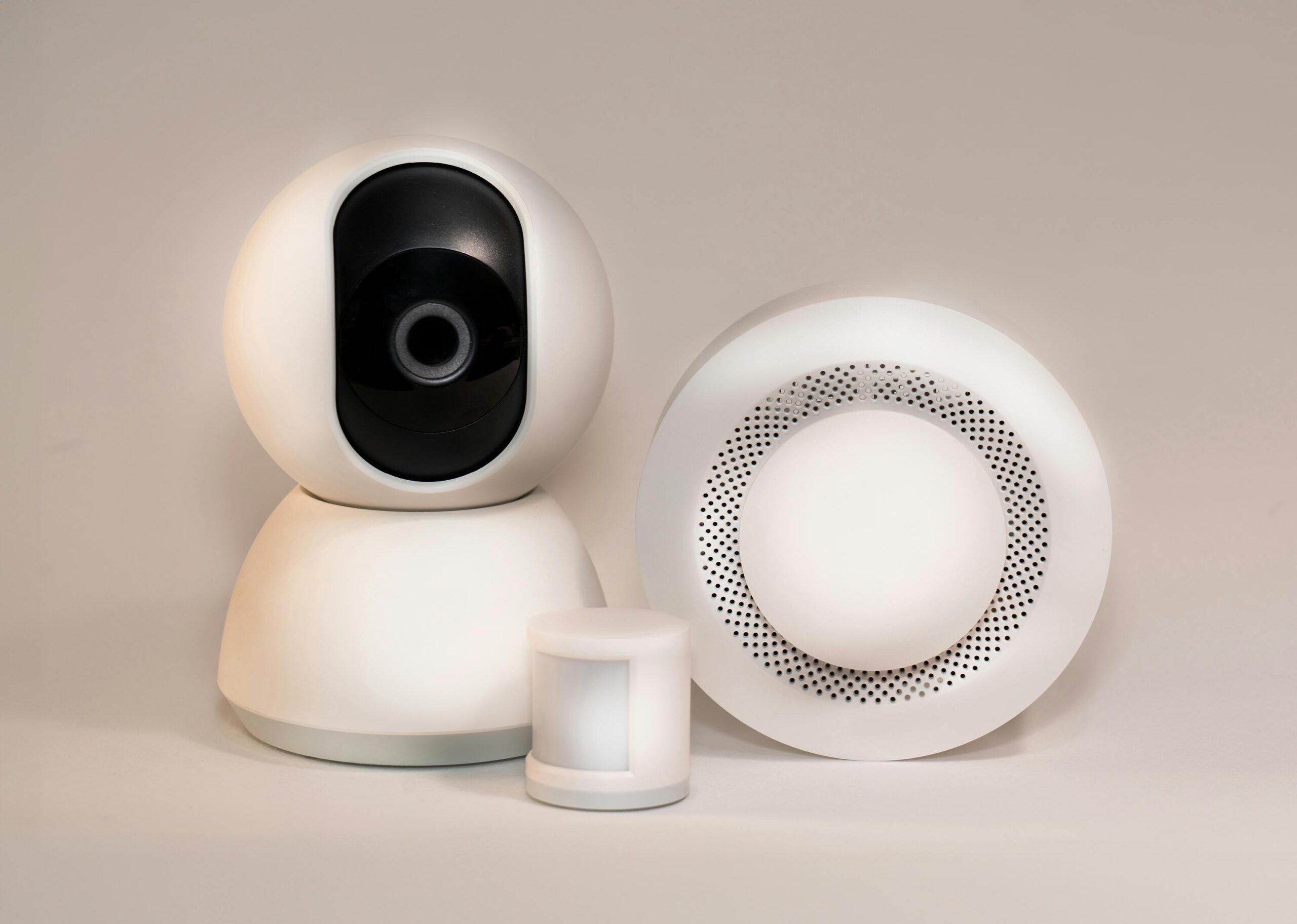
Wearables function best as components within broader health and wellness strategies rather than standalone solutions. Combining wearable data with nutrition tracking, mood journaling, and regular health assessments creates comprehensive pictures of overall wellbeing. This holistic approach reveals connections between different lifestyle factors that isolated data streams might miss.
Professional guidance amplifies wearable value for many users. Sharing data with healthcare providers, personal trainers, or wellness coaches enables expert interpretation and personalized recommendations based on individual patterns. This collaboration bridges the gap between data collection and actionable insights that drive meaningful improvements.
The convergence of wearable technology, advanced sensors, and artificial intelligence has created unprecedented opportunities for personal health monitoring and optimization. These tools empower individuals with information previously accessible only through expensive medical testing, democratizing health insights and enabling proactive wellness management. As technology continues advancing, the possibilities for monitoring and improving human health and performance will expand even further, making now the perfect time to embrace these powerful solutions and stay ahead in your health and fitness journey.