Wellness programs thrive when organizations measure what matters. By leveraging KPIs and dashboards effectively, companies can transform employee health initiatives into measurable success stories.

📊 Why Measurement Makes or Breaks Your Wellness Initiative
The difference between wellness programs that flourish and those that fade into obscurity often comes down to one critical factor: measurement. Without clear metrics and visual representations of progress, even the most well-intentioned wellness initiatives become invisible investments with uncertain returns.
Organizations investing in employee wellness need concrete evidence that their programs deliver value. Key Performance Indicators (KPIs) provide this evidence, transforming abstract wellness concepts into quantifiable data points that leadership can understand and support. Dashboards then take these KPIs and present them in digestible, actionable formats that drive decision-making.
The wellness industry has evolved significantly over the past decade. What once consisted of basic gym membership reimbursements has transformed into comprehensive programs addressing physical health, mental wellbeing, financial literacy, and social connection. With this expansion comes complexity—and the urgent need for sophisticated tracking mechanisms.
🎯 Defining Success: Essential KPIs for Wellness Programs
Not all metrics deserve your attention. The most effective wellness programs focus on KPIs that directly connect to both employee wellbeing and organizational outcomes. These metrics fall into several distinct categories, each revealing different aspects of program performance.
Participation and Engagement Metrics
Participation rate represents the fundamental starting point for wellness measurement. This KPI tracks the percentage of eligible employees actively engaging with your wellness offerings. However, raw participation numbers tell only part of the story. Engagement depth—measuring how frequently and intensively participants interact with programs—provides crucial context.
Consider tracking these participation-focused KPIs:
- Initial enrollment rates within the first 30, 60, and 90 days of program launch
- Monthly active users versus total registered participants
- Average number of wellness activities completed per participant
- Retention rates across quarters and years
- Drop-off points where participants disengage
Health Outcome Indicators
The ultimate purpose of wellness programs extends beyond engagement—programs should demonstrably improve employee health. Biometric screening data, when collected ethically and with proper privacy protections, reveals whether participants experience meaningful health improvements.
Effective health outcome KPIs include changes in blood pressure readings, BMI measurements, cholesterol levels, and blood glucose numbers. Beyond these clinical markers, subjective wellbeing assessments through validated surveys capture mental health improvements, stress reduction, and overall life satisfaction changes.
Financial Impact Measurements
Leadership teams need to understand wellness program ROI. Financial KPIs bridge the gap between wellbeing initiatives and business outcomes, making the case for continued investment.
Track healthcare cost trends among program participants compared to non-participants. Monitor absenteeism rates, measuring sick days taken and unplanned absences. Calculate presenteeism impacts—the productivity loss when employees work while unwell. Workers’ compensation claims frequency and severity also provide valuable financial insight into program effectiveness.
🖥️ Dashboard Design: Turning Data Into Decisions
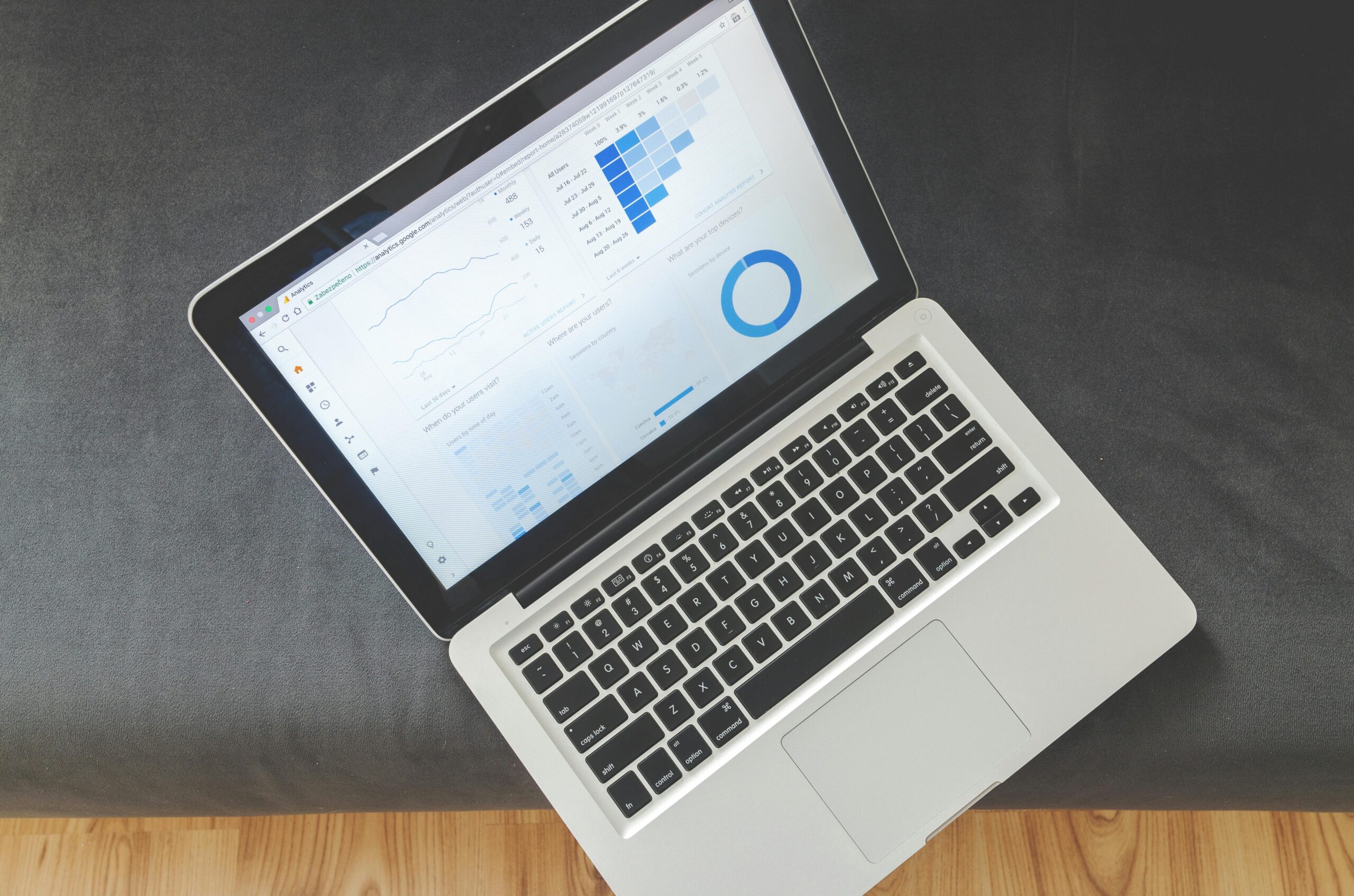
Raw data overwhelms rather than informs. Well-designed dashboards transform complex datasets into clear visual narratives that stakeholders across your organization can understand and act upon.
Crafting Dashboards for Different Audiences
Your CEO needs different information than your wellness coordinator. Executive dashboards should emphasize high-level trends, financial ROI, and strategic insights with minimal clutter. These dashboards typically feature year-over-year comparisons, cost savings projections, and participation trending upward or downward.
Program managers require operational dashboards with granular detail about daily participation, upcoming events, resource utilization, and participant feedback. These dashboards enable quick responses to emerging issues and tactical adjustments to programming.
Participants themselves benefit from personal dashboards showing individual progress toward goals, earned incentives, comparative benchmarks, and recommended next steps. Personalized dashboards increase motivation by making abstract wellness concepts tangible and progress visible.
Visualization Best Practices
Effective dashboard design follows established principles from data visualization science. Use color strategically—green for positive trends, red for concerns requiring attention, and neutral tones for stable metrics. Avoid overwhelming users with excessive color variety that distracts rather than informs.
Select appropriate chart types for each metric. Line graphs excel at showing trends over time. Bar charts effectively compare categories. Pie charts work when showing parts of a whole, though many data experts recommend alternatives for most situations. Heat maps reveal patterns across multiple dimensions simultaneously.
Maintain consistency across dashboards. When the same metric appears in multiple views, use identical calculation methods, time periods, and visual representations. This consistency builds user confidence and prevents confusion.
⚙️ Technology Infrastructure: Building Your Measurement System
Robust wellness program measurement requires appropriate technological foundations. The right tools collect data efficiently, integrate information from multiple sources, and present insights accessibly.
Selecting Wellness Technology Platforms
Modern wellness platforms combine participant engagement features with comprehensive analytics capabilities. When evaluating platforms, prioritize solutions offering flexible data collection, customizable reporting, integration capabilities with existing HR systems, mobile accessibility, and strong data security protocols.
Cloud-based platforms provide particular advantages for wellness analytics, enabling real-time data updates, accessible dashboards from any location, automatic software updates, and scalability as programs grow.
Integration Considerations
Wellness programs rarely exist in isolation. Maximum insight comes from connecting wellness data with information from health insurance carriers, benefits administration platforms, payroll systems, and employee engagement surveys.
Application Programming Interfaces (APIs) facilitate these connections, automatically transferring data between systems without manual file exports and imports. When selecting wellness technology, verify that robust APIs exist for your critical data sources.
🔒 Privacy, Security, and Ethical Data Management
Collecting employee health data carries significant responsibility. Organizations must balance measurement needs with privacy obligations and ethical considerations.
Compliance with regulations like HIPAA, GDPR, and various state privacy laws is non-negotiable. Ensure that individual health information remains separate from employment records. Aggregate data for reporting purposes, revealing group trends without exposing individual details.
Transparency builds trust. Clearly communicate what data you collect, how you use it, who can access it, and how long you retain it. Provide participants meaningful control over their information, including the ability to access their own data and request deletions when appropriate.
Implement technical safeguards including data encryption both in transit and at rest, multi-factor authentication for system access, regular security audits, and incident response protocols for potential breaches.
📈 Advanced Analytics: Beyond Basic Reporting
Once basic KPI tracking functions smoothly, advanced analytics techniques unlock deeper insights that drive program optimization.
Predictive Modeling Applications
Predictive analytics uses historical data patterns to forecast future outcomes. In wellness contexts, predictive models identify employees at high risk for specific health conditions before problems escalate. These models enable proactive outreach, targeting interventions toward individuals most likely to benefit.
Machine learning algorithms can predict which program elements will resonate with specific employee segments, allowing personalized recommendations that increase engagement and effectiveness.
Segmentation Strategies
Population segmentation reveals how different employee groups experience your wellness programs differently. Segment by demographics, health risk levels, job categories, locations, or engagement patterns.
This segmentation exposes disparities in program access or effectiveness. Perhaps your wellness offerings strongly appeal to younger employees but fail to engage senior staff. Maybe certain locations participate enthusiastically while others remain disengaged. These insights guide targeted improvements addressing specific population needs.
🎬 Implementing Your Dashboard Strategy: Practical Steps
Transforming wellness measurement from concept to reality requires methodical implementation. Start by assembling a cross-functional team including wellness program managers, HR analytics professionals, IT specialists, and representative employees.
Begin with a KPI inventory, documenting all metrics your organization currently tracks. Evaluate each metric’s value—does it inform decisions or simply consume resources? Eliminate vanity metrics that look impressive but don’t drive action.
Next, identify measurement gaps. What important questions about your wellness program remain unanswered due to missing data? Prioritize closing gaps with the highest strategic importance.
Design your dashboard hierarchy, creating appropriate views for each stakeholder group. Develop wireframes before building final dashboards, gathering feedback through iterative reviews.
Pilot your measurement system with a limited audience before full deployment. This testing phase reveals usability issues, data quality problems, and necessary refinements. Collect feedback systematically and incorporate improvements.
💡 Turning Insights Into Action: The Analysis-to-Action Framework
Dashboards and KPIs only create value when they inform meaningful action. Establish clear processes connecting data insights to program improvements.
Schedule regular review cadences at multiple levels. Weekly operational reviews catch emerging issues quickly. Monthly management reviews assess tactical performance and make programmatic adjustments. Quarterly strategic reviews evaluate whether programs align with organizational goals and deliver expected ROI.
Develop response protocols for common scenarios. If participation drops below threshold levels, what actions will you take? When specific wellness offerings show exceptional results, how will you scale them? Predetermined responses enable swift action rather than prolonged deliberation.
Create feedback loops connecting participant experience to program evolution. When dashboards reveal declining engagement with specific offerings, conduct targeted research understanding why. Exit surveys, focus groups, and user testing generate qualitative insights complementing quantitative dashboard data.
🌟 Real-World Success: How Leading Organizations Use Wellness Analytics
Organizations achieving remarkable wellness outcomes share common characteristics in their measurement approaches. They treat analytics as integral to program design rather than afterthoughts. They invest in proper tools and training, ensuring team members can extract insights effectively. They act on data insights systematically, creating cultures of continuous improvement.
Successful organizations also communicate their wellness metrics transparently. They share aggregate results with employees, celebrating successes and acknowledging areas requiring improvement. This transparency builds trust and demonstrates organizational commitment to genuine wellness rather than superficial programs.
🚀 Future Trends: Where Wellness Measurement Is Heading
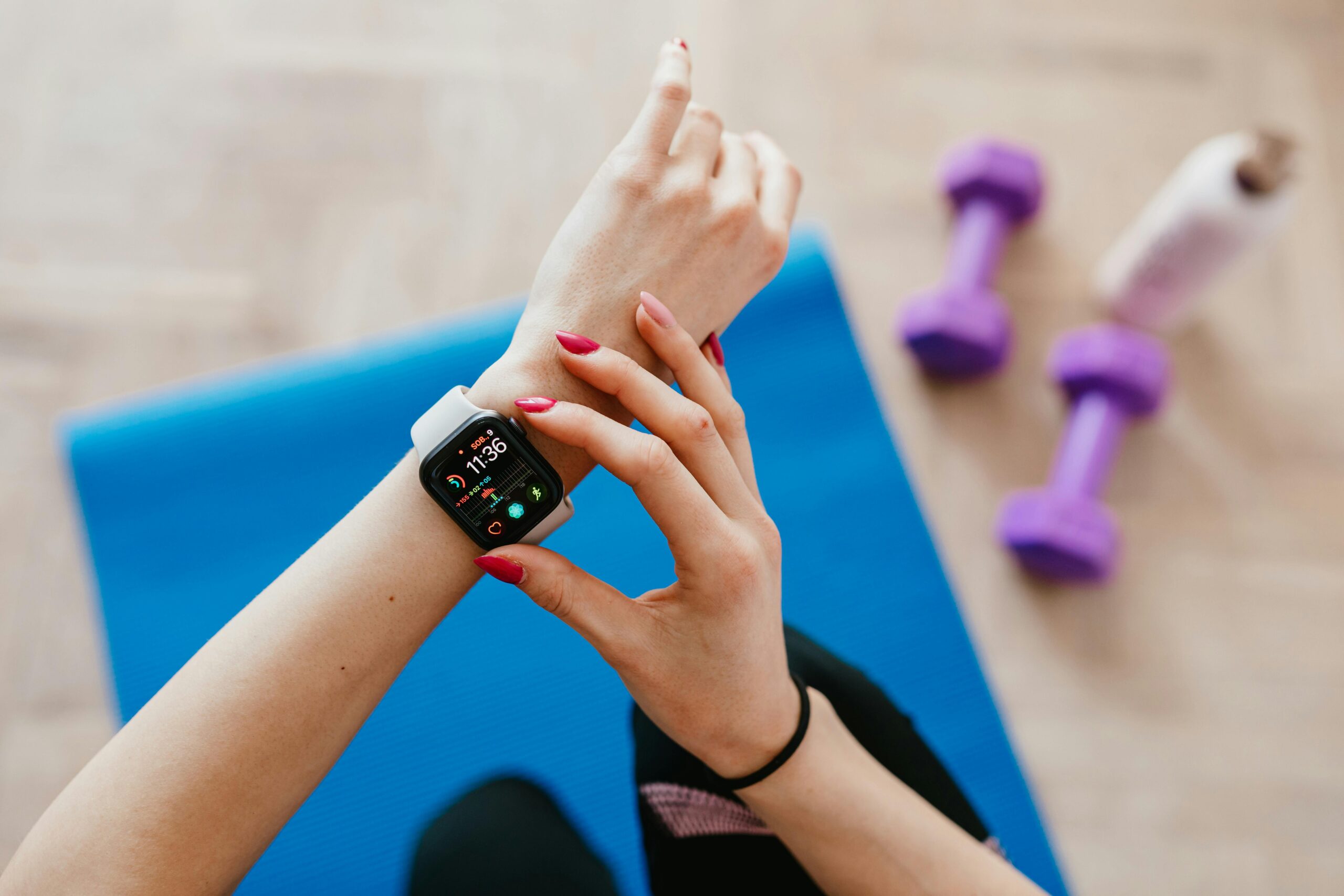
Wellness analytics continues evolving rapidly. Wearable device integration enables passive data collection, capturing activity levels, sleep patterns, and physiological measurements without requiring active participant reporting. While privacy considerations remain paramount, this data stream offers unprecedented insight into real-world behavior change.
Artificial intelligence increasingly powers wellness recommendations, analyzing individual patterns to suggest personalized interventions with higher success probabilities. Natural language processing extracts insights from open-ended survey responses and program feedback at scale.
Real-time intervention capabilities emerge as technology advances. Rather than analyzing last month’s data to inform next month’s programming, sophisticated systems detect concerning patterns immediately and trigger timely support.
🎯 Maximizing Your Wellness ROI Through Strategic Measurement
The path to wellness program excellence runs through rigorous measurement and thoughtful analysis. Organizations that master KPI selection and dashboard design transform wellness initiatives from cost centers into strategic investments delivering measurable value.
Success requires more than implementing technology solutions. It demands cultural commitment to data-informed decision-making, respect for participant privacy, and willingness to adapt programs based on evidence rather than assumptions.
Begin with fundamentals—identify core KPIs aligned to your organizational goals, implement reliable data collection processes, and create dashboards that inform rather than overwhelm. As capabilities mature, advance toward predictive analytics and personalized interventions.
The wellness programs that thrive in coming years will be those that measure what matters, visualize insights effectively, and translate data into actions that genuinely improve employee lives. By unlocking the power of KPIs and dashboards, your organization can join their ranks, maximizing both wellness outcomes and business results.
Remember that measurement serves wellness, not the reverse. Keep human wellbeing at the center of your analytics efforts, using data to understand and serve your people better rather than reducing them to numbers on dashboards. This human-centered approach to wellness analytics creates programs that employees value and organizations benefit from—the ultimate measure of success.