Wellness data analytics is transforming how individuals and organizations approach health optimization, turning raw information into actionable insights that drive meaningful lifestyle improvements and performance enhancement.

🔍 The Data Revolution in Personal Wellness
We live in an unprecedented era where every heartbeat, sleep cycle, calorie consumed, and step taken can be measured, recorded, and analyzed. This explosion of wellness data has created extraordinary opportunities for individuals seeking to optimize their health and performance. The convergence of wearable technology, mobile applications, and advanced analytics platforms has democratized access to insights that were once available only through expensive clinical testing or professional athletic programs.
The wellness data ecosystem encompasses biometric measurements, behavioral patterns, environmental factors, nutritional intake, exercise performance, mental health indicators, and recovery metrics. When properly collected and analyzed, this information creates a comprehensive portrait of an individual’s health status and trajectory. The real power emerges not from isolated data points but from the patterns, correlations, and trends that become visible through systematic analysis.
📊 Understanding the Core Components of Wellness Analytics
Wellness data analytics rests on several foundational pillars that work synergistically to provide meaningful insights. Understanding these components helps individuals and organizations build effective health monitoring systems.
Biometric Data Collection and Monitoring
The foundation of wellness analytics begins with accurate data collection. Modern wearable devices track heart rate variability, blood oxygen saturation, skin temperature, respiratory rate, and even electrodermal activity. These physiological markers provide real-time feedback about stress levels, recovery status, and overall health trends. The quality and consistency of data collection directly influence the reliability of subsequent analysis and recommendations.
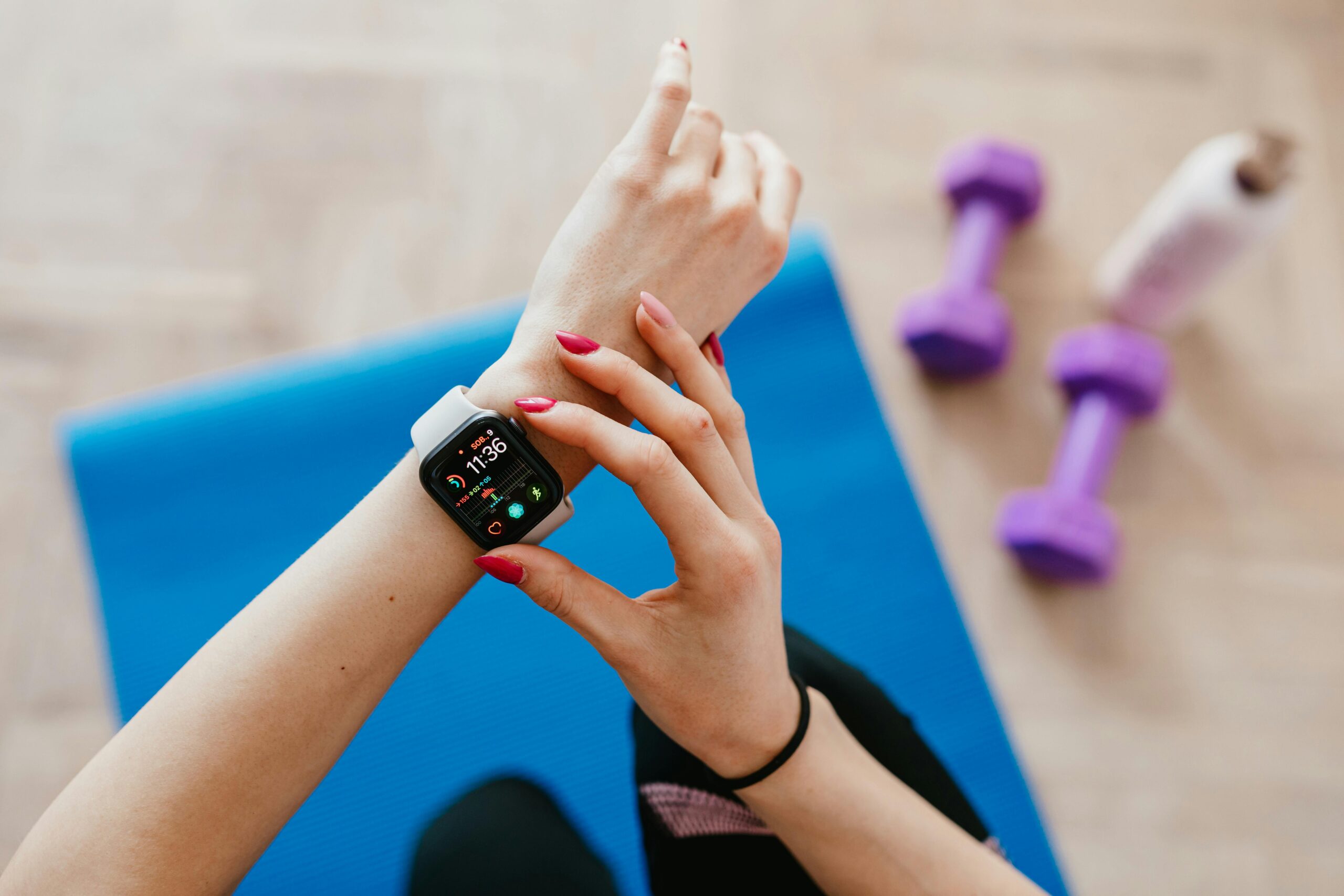
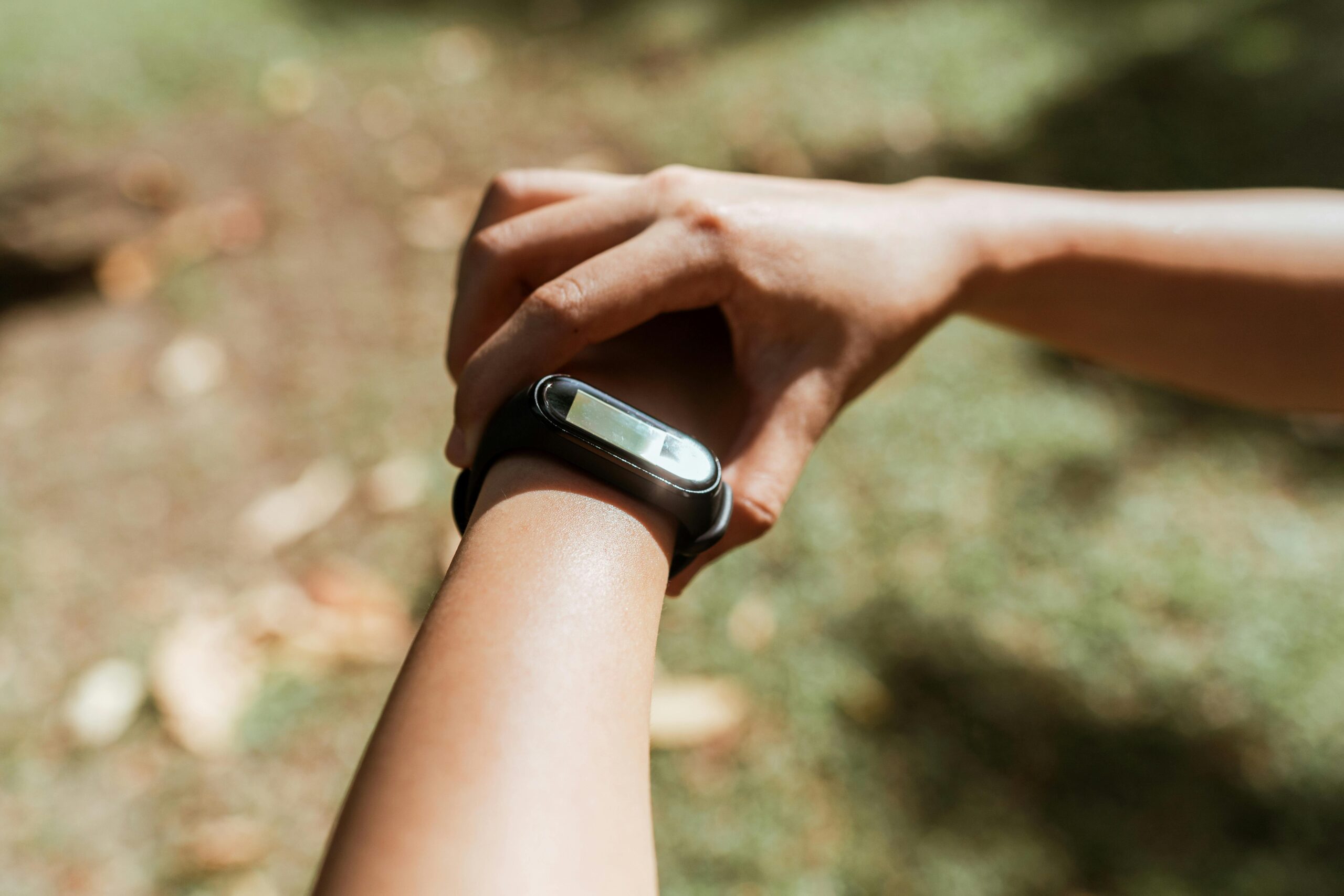
Advanced fitness trackers and smartwatches have evolved beyond simple step counting to become sophisticated health monitoring devices. They detect irregular heart rhythms, measure sleep architecture across different stages, and track workout intensity with precision. This continuous monitoring creates longitudinal data sets that reveal patterns invisible in snapshot assessments.
Behavioral and Lifestyle Tracking
Beyond physiological measurements, wellness analytics incorporates behavioral data including sleep schedules, meal timing, hydration patterns, screen time, social interactions, and stress management practices. These lifestyle factors profoundly influence health outcomes and performance capacity. Digital journaling apps, mood trackers, and habit-forming platforms contribute valuable qualitative data that complements quantitative biometric information.
The integration of behavioral data with physiological measurements creates a holistic view of wellness. For example, correlating sleep quality with next-day productivity, or linking dietary patterns with energy levels throughout the day, provides actionable insights that pure biometric data cannot deliver alone.
🎯 Transforming Raw Data Into Actionable Insights
Data collection represents only the beginning of the wellness analytics journey. The true value emerges through intelligent analysis that translates numbers into meaningful recommendations. This transformation requires sophisticated algorithms, contextual understanding, and personalized interpretation.
Pattern Recognition and Trend Analysis
Machine learning algorithms excel at identifying patterns within complex datasets. These systems can detect subtle correlations between behaviors and outcomes that humans might miss. For instance, analytics platforms might reveal that your workout performance drops consistently three days after poor sleep, or that specific foods trigger inflammatory responses reflected in recovery metrics.
Trend analysis extends beyond immediate correlations to identify long-term trajectories. Is your resting heart rate gradually decreasing as cardiovascular fitness improves? Are stress levels trending upward despite wellness interventions? These longitudinal insights enable proactive adjustments before small issues become significant problems.
Personalized Benchmarking and Goal Setting
Effective wellness analytics moves beyond generic recommendations to provide personalized guidance based on individual baselines, goals, and circumstances. Rather than comparing yourself to population averages, advanced analytics establish your personal normal ranges and track deviations that might signal opportunities for improvement or potential health concerns.
Personalized benchmarking acknowledges that optimal wellness looks different for everyone. A 50-year-old executive recovering from injury has different targets than a 25-year-old athlete training for competition. Context-aware analytics adjust recommendations based on age, fitness level, health history, and objectives.
💪 Applications Across the Wellness Spectrum
Wellness data analytics delivers value across multiple dimensions of health and performance optimization. Understanding these applications helps individuals focus their tracking efforts on areas with the greatest potential impact.
Optimizing Physical Performance and Recovery
Athletes and fitness enthusiasts leverage wellness analytics to maximize training effectiveness while minimizing injury risk. By monitoring training load, recovery metrics, and performance indicators, analytics platforms identify optimal work-to-rest ratios and detect early signs of overtraining syndrome.
Heart rate variability has emerged as a particularly valuable metric for assessing recovery status and training readiness. Declining HRV trends suggest accumulated stress and incomplete recovery, signaling the need for additional rest or reduced training intensity. Conversely, elevated HRV indicates readiness for challenging workouts. This data-driven approach replaces guesswork with objective assessment.
Enhancing Sleep Quality and Circadian Health
Sleep represents one of the most impactful yet overlooked aspects of wellness. Analytics platforms track sleep duration, efficiency, stage distribution, and disruptions, revealing patterns that affect daytime energy, cognitive performance, and long-term health.
Advanced sleep tracking identifies correlations between daytime behaviors and nighttime sleep quality. Analytics might reveal that caffeine consumption after 2 PM reduces deep sleep by 20%, or that evening screen exposure delays sleep onset by 30 minutes. These personalized insights enable targeted interventions that improve sleep quality more effectively than generic sleep hygiene recommendations.
Managing Stress and Mental Wellness
The physiological manifestations of psychological stress appear clearly in wellness data. Elevated resting heart rate, reduced heart rate variability, disrupted sleep patterns, and changes in activity levels all signal stress accumulation. Wellness analytics quantifies these impacts, making invisible mental health challenges visible and measurable.
This objectification of stress proves particularly valuable because many people struggle to recognize their own stress levels accurately. Data provides an external reference point that prompts intervention before stress escalates to burnout. Tracking the effectiveness of stress management techniques through biometric feedback creates accountability and motivation for maintaining these practices.
🏢 Organizational Wellness Programs and Population Health
The principles of wellness data analytics scale effectively from individual applications to organizational wellness programs. Forward-thinking companies leverage aggregated, anonymized employee wellness data to design more effective health initiatives and create cultures that support optimal performance.
Designing Evidence-Based Wellness Interventions
Population-level wellness analytics reveal which health risks are most prevalent within an organization and which interventions deliver the greatest return on investment. Rather than implementing generic wellness programs, data-driven approaches target specific needs identified through analysis of employee health metrics, utilization patterns, and engagement data.
For example, if analytics reveal widespread sleep deprivation correlating with decreased productivity and increased sick leave, organizations can prioritize sleep education, flexible scheduling, and environmental modifications that support better rest. This targeted approach delivers superior outcomes compared to broad, unfocused wellness initiatives.
Measuring Program Effectiveness and ROI
Wellness analytics enables objective measurement of program effectiveness through before-and-after comparisons, engagement tracking, and health outcome monitoring. Organizations can quantify improvements in biometric markers, reductions in health risk factors, changes in healthcare utilization, and impacts on productivity and absenteeism.
This evidence-based approach justifies continued investment in wellness programs and guides resource allocation toward the most effective interventions. The ability to demonstrate tangible returns transforms wellness from a feel-good perk into a strategic business investment with measurable financial and human capital benefits.
🔐 Privacy, Security, and Ethical Considerations
The collection and analysis of personal wellness data raise important privacy and ethical questions that must be addressed thoughtfully. Building trust requires transparency, robust security measures, and clear policies governing data use.
Data Ownership and Control
Individuals should maintain ownership of their wellness data with clear rights to access, export, and delete their information. Wellness platforms must provide transparency about what data is collected, how it’s analyzed, who has access, and how it might be shared. Opt-in consent for data sharing, rather than opt-out models, respects individual autonomy and builds trust.
In organizational settings, aggregation and anonymization protect individual privacy while enabling population-level insights. Strict protocols must prevent re-identification of individuals from aggregated data and ensure that wellness participation never influences employment decisions, promotion opportunities, or health insurance costs.
Security Infrastructure and Data Protection
The sensitive nature of health information demands robust security measures including encryption, secure authentication, regular security audits, and compliance with healthcare privacy regulations like HIPAA and GDPR. Wellness platforms must implement industry-leading security practices to protect against breaches that could expose personal health information.
Beyond technical security, policies must address data retention limits, third-party sharing restrictions, and protocols for responding to data breaches. Transparency about security measures helps users make informed decisions about which platforms to trust with their wellness data.
🚀 Emerging Technologies Shaping the Future of Wellness Analytics
The wellness analytics landscape continues to evolve rapidly as new technologies expand data collection capabilities and analytical sophistication. Understanding these trends helps individuals and organizations prepare for the next generation of wellness optimization tools.
Continuous Glucose Monitoring and Metabolic Health
Continuous glucose monitors, once reserved for diabetes management, are entering the mainstream wellness market. These devices reveal how different foods, exercise timing, sleep quality, and stress levels affect blood sugar regulation. This metabolic insight enables personalized nutrition strategies that optimize energy levels, body composition, and long-term health.
The integration of CGM data with other wellness metrics creates unprecedented visibility into the complex interplay between lifestyle factors and metabolic health. Users discover that stress spikes blood sugar as significantly as dessert, or that specific meal timing strategies maintain stable glucose levels throughout the day.
Artificial Intelligence and Predictive Analytics
Artificial intelligence transforms wellness analytics from descriptive reporting to predictive guidance. Machine learning models trained on large datasets can forecast health trends, predict illness risk, recommend optimal intervention timing, and personalize advice with increasing precision.
AI-powered wellness coaches provide 24/7 support, answering questions, interpreting data, and adjusting recommendations based on real-time feedback. Natural language processing enables conversational interfaces that make sophisticated analytics accessible to users without technical expertise. As these systems learn individual patterns, their guidance becomes increasingly accurate and personalized.
Integration of Genetic and Microbiome Data
The convergence of wellness analytics with genetic testing and microbiome analysis creates truly personalized health optimization strategies. Genetic variants influence metabolism, nutrient needs, injury risk, and responses to different types of exercise. Microbiome composition affects digestion, immune function, mental health, and chronic disease risk.
Integrating these biological insights with behavioral and biometric data enables recommendations tailored to individual physiology rather than population averages. This precision wellness approach maximizes the effectiveness of health interventions and eliminates trial-and-error approaches to finding what works.
🎓 Building Your Personal Wellness Analytics Practice
Successfully leveraging wellness data analytics requires strategic planning, consistent execution, and thoughtful interpretation. These practical steps help individuals build effective personal health monitoring systems.
Starting With Clear Objectives
Effective wellness analytics begins with defining specific, measurable goals. Are you seeking to improve sleep quality, increase energy levels, optimize athletic performance, manage stress, or prevent chronic disease? Clear objectives focus data collection efforts on relevant metrics and prevent overwhelming yourself with unnecessary tracking.
Start with a limited set of key metrics aligned with your primary goals, then expand tracking as you develop consistent habits. Attempting to track everything simultaneously often leads to abandonment, while focused tracking builds sustainable monitoring practices.
Selecting the Right Tools and Platforms
The wellness technology marketplace offers countless options ranging from simple fitness trackers to comprehensive health monitoring ecosystems. Select devices and platforms based on accuracy, reliability, ease of use, data integration capabilities, and alignment with your specific goals.
Consider both hardware devices and software platforms. While wearables collect biometric data, complementary apps track nutrition, mood, symptoms, and other contextual information that enriches analysis. Look for platforms that integrate multiple data sources, providing a unified view of your wellness landscape.
Establishing Consistent Tracking Habits
The value of wellness analytics depends entirely on data quality and consistency. Establish routines that make tracking effortless, such as wearing your fitness tracker continuously, logging meals immediately after eating, and completing evening reflection prompts before bed. Automation through connected devices reduces tracking burden and improves compliance.
Schedule regular review sessions to analyze trends, celebrate progress, and adjust strategies based on insights. Weekly reviews identify short-term patterns, while monthly assessments reveal longer-term trends. These reflection practices transform data into action rather than letting information accumulate without application.
⚡ Turning Insights Into Sustainable Behavior Change
The ultimate purpose of wellness data analytics extends beyond measurement to driving meaningful behavior change that improves health and performance. This transformation from insight to action represents the critical final step in the analytics journey.
Implementing Small, Data-Driven Experiments
Use wellness data to design personal experiments testing specific hypotheses about what improves your health and performance. If analytics suggest that morning workouts correlate with better sleep, commit to a two-week trial of early exercise while monitoring sleep metrics. This experimental mindset converts insights into testable actions with measurable outcomes.
Small experiments reduce risk while providing clear feedback about effectiveness. Rather than overhauling your entire lifestyle based on initial data, make targeted adjustments, measure results, and iterate based on outcomes. This systematic approach builds confidence in data-driven decision making.
Creating Accountability Through Tracking
The act of measurement itself influences behavior through increased awareness and accountability. When you track daily steps, you naturally move more. Recording food intake promotes more conscious eating choices. This observation effect makes tracking a powerful intervention beyond its analytical value.
Share data with accountability partners, coaches, or communities to strengthen commitment. Many wellness platforms include social features that enable encouragement, competition, and shared learning. External accountability amplifies the behavior change potential of personal analytics.

🌟 Maximizing Long-Term Success With Wellness Analytics
Sustaining wellness analytics practices over months and years requires strategies that prevent tracking fatigue, maintain motivation, and evolve approaches as goals and circumstances change.
Celebrate milestone achievements revealed through your data. Improved resting heart rate, increased sleep efficiency, reduced stress markers, and enhanced performance metrics provide concrete evidence of progress that reinforces continued effort. Visualizing improvement trends creates powerful motivation to maintain healthy behaviors.
Periodically reassess tracked metrics and adjust monitoring approaches. As certain health aspects stabilize, you might reduce tracking frequency for those areas while focusing attention on new optimization opportunities. This dynamic approach prevents stagnation and keeps wellness analytics engaging over the long term.
Remember that wellness analytics serves your goals rather than the reverse. If tracking becomes burdensome or anxiety-inducing, simplify your approach. The best wellness monitoring system is one you’ll actually use consistently, even if it’s less comprehensive than ideal. Sustainability trumps perfection in long-term health optimization.
The power of wellness data analytics lies not in the technology itself but in how effectively you translate information into action. By building a strong foundation of consistent tracking, thoughtful analysis, and evidence-based experimentation, you create a personalized health optimization system that evolves with your needs. This data-driven approach to wellness transforms health from a matter of guesswork into a systematic practice of continuous improvement, unlocking your full potential for optimal health and peak performance throughout life.