
Your gut is home to trillions of microorganisms that silently orchestrate your health, influencing everything from immunity to gene expression in ways science is only beginning to understand.

🧬 The Hidden Universe Inside You: Understanding the Gut Microbiome
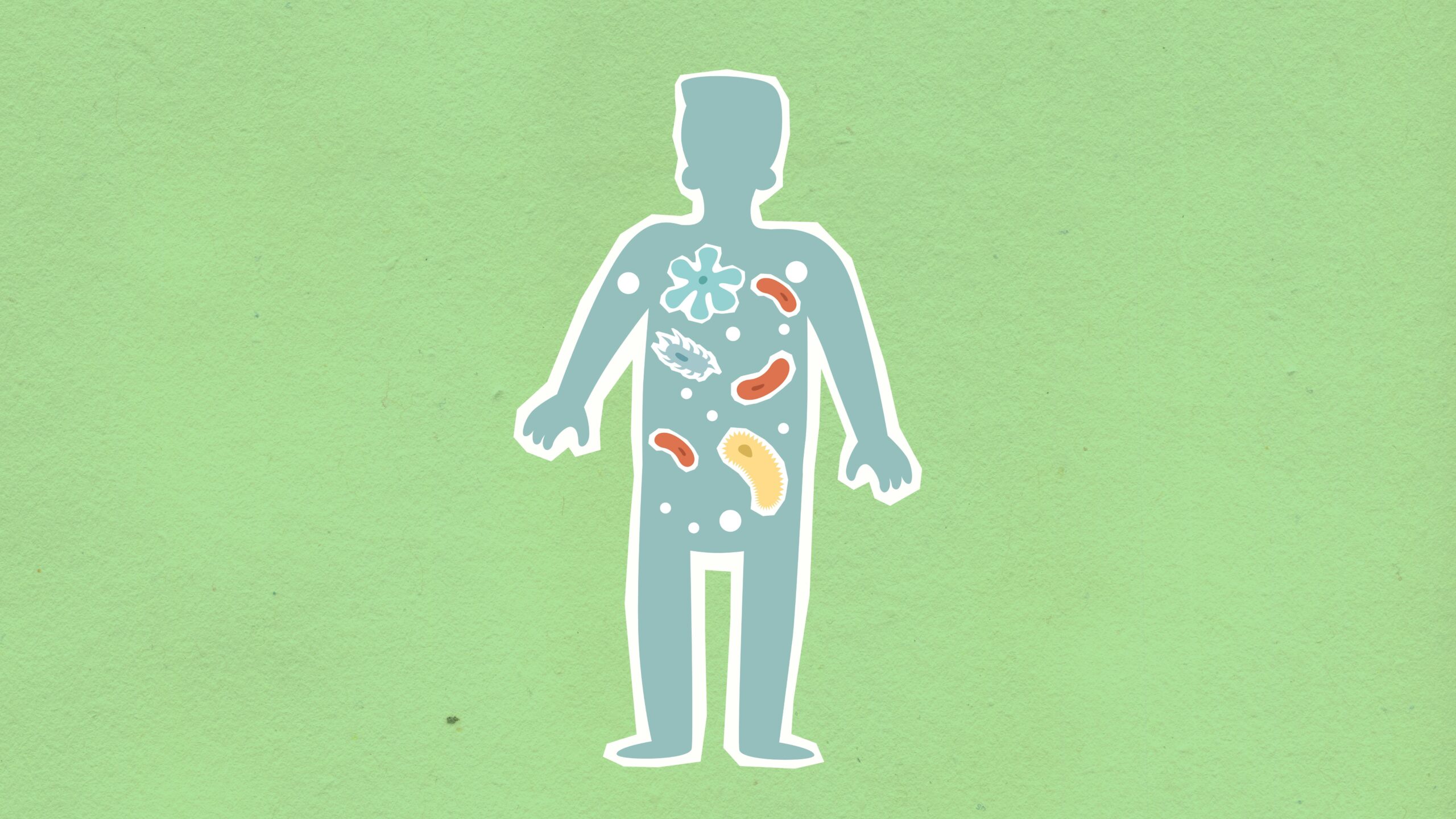
The human gut microbiome represents one of the most complex ecosystems on Earth, containing approximately 100 trillion microorganisms spanning thousands of different species. These microscopic inhabitants weigh roughly three pounds collectively and outnumber human cells by a ratio of roughly 1.3 to 1. Far from being passive passengers, these bacteria, fungi, viruses, and other microbes actively participate in countless physiological processes that determine our overall health.
What makes the gut microbiome particularly fascinating is its remarkable diversity and individuality. Like fingerprints, no two people share identical microbial compositions. This unique microbial signature begins forming at birth and continues evolving throughout life, shaped by factors including delivery method, breastfeeding, diet, medications, stress levels, and environmental exposures.
The gut microbiome functions as a metabolic organ in its own right, performing tasks that our human cells cannot accomplish independently. These microorganisms break down complex carbohydrates, synthesize essential vitamins, produce neurotransmitters, regulate immune responses, and remarkably, communicate directly with our DNA to influence gene expression.
The Molecular Conversation: How Gut Bacteria Talk to Your Genes
The relationship between gut bacteria and human genes represents one of the most revolutionary discoveries in modern medicine. This bidirectional communication occurs through multiple sophisticated mechanisms that scientists have termed the “microbiome-genome axis.”
Gut bacteria produce metabolites—small molecules created during their digestive processes—that can travel through the bloodstream and interact directly with human cells. These metabolites act as signaling molecules that can activate or suppress specific genes without altering the underlying DNA sequence itself, a phenomenon known as epigenetic regulation.
Short-Chain Fatty Acids: The Gene Regulators
Among the most powerful metabolites produced by gut bacteria are short-chain fatty acids (SCFAs), particularly butyrate, propionate, and acetate. These compounds are created when beneficial bacteria ferment dietary fiber in the colon. SCFAs possess remarkable gene-regulating capabilities that extend far beyond the gut itself.
Butyrate, for example, acts as a histone deacetylase (HDAC) inhibitor, affecting how tightly DNA is wound around proteins called histones. When DNA is less tightly wound, genes become more accessible for activation. This mechanism allows gut bacteria to influence which genes get expressed in various tissues throughout the body, affecting inflammation, metabolism, and even cancer prevention.
Research has demonstrated that SCFAs can modify the expression of genes involved in immune function, helping to calibrate the delicate balance between inflammatory and anti-inflammatory responses. This explains why disruptions in gut microbiome composition have been linked to autoimmune conditions, allergies, and chronic inflammatory diseases.
🔬 The Epigenetic Revolution: Rewriting Health Without Changing DNA
Epigenetics has fundamentally changed how we understand the nature versus nurture debate. While your DNA sequence remains relatively fixed throughout life, the expression of those genes is remarkably flexible and responsive to environmental signals—including those from your gut microbiome.
Gut bacteria influence epigenetic modifications through several mechanisms including DNA methylation, histone modifications, and microRNA regulation. These changes can be temporary or potentially inherited across generations, suggesting that the microbial influences you experience today might affect not only your health but potentially that of your descendants.
DNA methylation involves adding small chemical groups to DNA molecules, typically silencing gene expression. Gut microbiota influence this process by producing metabolites that serve as methyl donors or by affecting the availability of nutrients required for methylation reactions, such as folate and vitamin B12.
MicroRNAs: Tiny Molecules With Massive Impact
Gut bacteria also influence the production of microRNAs (miRNAs)—small RNA molecules that regulate gene expression by binding to messenger RNA and preventing protein production. Studies have shown that changes in gut microbiome composition correlate with altered miRNA profiles, affecting pathways related to metabolism, inflammation, and neurological function.
This discovery has profound implications for understanding diseases previously considered purely genetic. Conditions like obesity, diabetes, cardiovascular disease, and even certain mental health disorders may result not solely from “bad genes” but from unfavorable interactions between genes and an disrupted microbiome.
💪 The Immunity Connection: Training Your Immune System From the Gut
Approximately 70-80% of your immune system resides in or around the gastrointestinal tract, making the gut microbiome a critical training ground for immune development and function. The relationship between gut bacteria and immune gene expression begins in infancy and continues throughout life.
Beneficial bacteria help educate immune cells to distinguish between harmless substances and genuine threats. This training occurs through direct interactions between bacterial components and pattern recognition receptors on immune cells, triggering signaling cascades that ultimately affect the expression of hundreds of immune-related genes.
When the microbiome is diverse and balanced, it promotes the expression of genes associated with immune tolerance and appropriate inflammatory responses. However, dysbiosis—an imbalanced microbial community—can lead to aberrant immune gene expression, contributing to conditions ranging from inflammatory bowel disease to rheumatoid arthritis and multiple sclerosis.
The Hygiene Hypothesis Revisited
The rising prevalence of allergies and autoimmune diseases in developed countries has been partially attributed to reduced microbial exposure during childhood—the so-called hygiene hypothesis. From a gene regulation perspective, inadequate microbial stimulation during critical developmental windows may prevent proper epigenetic programming of immune genes, leaving individuals more susceptible to inappropriate immune responses later in life.
🧠 The Gut-Brain Axis: Microbial Influence on Neural Gene Expression
Perhaps the most astonishing discovery in microbiome research involves the bidirectional communication pathway between gut bacteria and the brain, known as the gut-brain axis. This connection operates through neural, hormonal, and immunological channels, with gut microbiota influencing the expression of genes in brain tissue despite being physically separated by significant distance.
Gut bacteria produce neurotransmitters including serotonin, dopamine, and GABA, which can affect mood and cognition. Remarkably, approximately 90% of the body’s serotonin is produced in the gut, largely under the influence of intestinal bacteria. These microbes also produce other neuroactive compounds that can cross the blood-brain barrier and influence neural gene expression.
Studies using germ-free animals (raised without any microbiota) have revealed dramatic differences in brain gene expression patterns compared to conventionally raised animals. Genes involved in neuroplasticity, myelination, and neurotransmitter synthesis show altered expression in the absence of gut microbiota, highlighting the profound influence of these microbes on brain development and function.
🍎 Diet as a Gene Expression Modifier: Feeding Your Microbes Wisely
Your dietary choices represent one of the most powerful tools for shaping your microbiome and, consequently, influencing gene expression throughout your body. Different foods selectively promote the growth of different bacterial species, each producing distinct metabolites with unique gene-regulating properties.
Fiber-rich foods promote beneficial bacteria that produce SCFAs, supporting anti-inflammatory gene expression patterns. Polyphenol-rich foods like berries, green tea, and dark chocolate are metabolized by gut bacteria into compounds that activate genes involved in antioxidant defense and cellular repair mechanisms.
Prebiotics and Probiotics: Strategic Microbiome Management
Prebiotics are dietary components that selectively feed beneficial bacteria, while probiotics introduce live beneficial microorganisms. Both approaches can modify microbiome composition and function, ultimately affecting gene expression patterns associated with various health outcomes.
Research has shown that specific probiotic strains can influence the expression of genes related to intestinal barrier function, immune tolerance, and even mood regulation. Similarly, prebiotic fibers like inulin and resistant starch promote bacterial species that produce metabolites favorable for metabolic health and glucose regulation.
⚠️ When Things Go Wrong: Dysbiosis and Disease
Dysbiosis refers to a state of microbial imbalance characterized by reduced diversity, loss of beneficial species, or overgrowth of potentially harmful organisms. This disruption can profoundly affect gene expression patterns throughout the body, contributing to disease development and progression.
Conditions associated with dysbiosis and altered gene expression include:
- Inflammatory bowel diseases (Crohn’s disease and ulcerative colitis)
- Metabolic syndrome and type 2 diabetes
- Cardiovascular disease
- Obesity and related complications
- Mental health disorders including depression and anxiety
- Certain cancers, particularly colorectal cancer
- Autoimmune conditions
- Neurodegenerative diseases
In inflammatory bowel diseases, for example, dysbiosis is associated with altered expression of genes involved in intestinal barrier function, mucus production, and antimicrobial peptide secretion. These changes create a self-perpetuating cycle where barrier dysfunction allows bacterial components to trigger inflammation, which further disrupts the microbiome.
The Antibiotic Paradox
While antibiotics remain essential for treating bacterial infections, their use comes with collateral damage to the gut microbiome. Broad-spectrum antibiotics can dramatically reduce microbial diversity, sometimes with effects lasting months or even years. This disruption can alter gene expression patterns in ways that increase susceptibility to metabolic disorders, immune dysregulation, and even behavioral changes.
🔮 Future Frontiers: Personalized Medicine Through Microbiome Modulation
The growing understanding of microbiome-gene interactions is opening new therapeutic possibilities. Precision medicine approaches are beginning to incorporate microbiome analysis alongside genetic testing to provide more comprehensive health assessments and personalized treatment strategies.
Fecal microbiota transplantation (FMT), which involves transferring the microbiome from a healthy donor to a recipient, has shown remarkable success in treating recurrent Clostridioides difficile infections. Researchers are now exploring FMT and other microbiome-based interventions for conditions ranging from obesity to inflammatory bowel disease to neurological disorders.
Next-generation probiotics, engineered to produce specific metabolites or perform particular functions, represent another frontier. These precision probiotics could potentially be designed to target specific gene expression pathways, offering new approaches to disease prevention and treatment.
🌟 Practical Strategies for Optimizing Your Microbiome-Gene Interaction
While the science of microbiome-gene interactions continues evolving, several evidence-based strategies can help optimize this relationship for better health outcomes:
- Diversify your diet: Consume a wide variety of plant-based foods to support microbial diversity. Aim for 30 different plant foods per week including fruits, vegetables, whole grains, legumes, nuts, and seeds.
- Prioritize fiber: Most people consume far less fiber than the recommended 25-35 grams daily. Fiber feeds beneficial bacteria that produce health-promoting metabolites.
- Include fermented foods: Yogurt, kefir, sauerkraut, kimchi, and other fermented foods provide beneficial bacteria and support microbial diversity.
- Minimize unnecessary antibiotics: Use antibiotics only when truly necessary, and consider probiotic supplementation during and after antibiotic courses.
- Manage stress: Chronic stress negatively affects microbiome composition and gut-brain signaling. Regular exercise, meditation, and adequate sleep support a healthy microbiome.
- Avoid excessive sanitization: While hygiene is important, excessive use of antibacterial products may reduce beneficial microbial exposure.
- Consider targeted supplementation: Specific probiotic strains and prebiotics may benefit particular health conditions, though consultation with healthcare providers is recommended.
The Microbiome-Gene Partnership: A New Health Paradigm 🌱
Understanding the intricate relationship between gut microbiota and gene expression represents a paradigm shift in how we approach health and disease. Rather than viewing genes as fixed determinants of health outcomes, we now recognize them as dynamic entities responding to environmental signals, with gut bacteria serving as crucial mediators of these responses.
This perspective empowers individuals with greater agency over their health. While we cannot change our DNA sequence, we can influence which genes are expressed through lifestyle choices that shape our microbiome. The foods we eat, the stress we manage, the sleep we prioritize, and the environmental exposures we control all impact our microbial communities and, consequently, our gene expression patterns.
As research continues unveiling the complexities of microbiome-gene interactions, new therapeutic opportunities will emerge. The future of medicine will likely involve personalized interventions targeting the microbiome to optimize gene expression for disease prevention and treatment. This approach promises more effective, individualized healthcare strategies with fewer side effects than conventional treatments.
The power of the gut microbiome extends far beyond digestion, reaching into the fundamental molecular processes that define health and disease. By nurturing this internal ecosystem through informed lifestyle choices, we can harness the remarkable capacity of our microbial partners to positively influence gene expression, ultimately supporting lifelong health and vitality. The conversation between your gut bacteria and your genes is happening continuously—make sure it’s saying the right things.