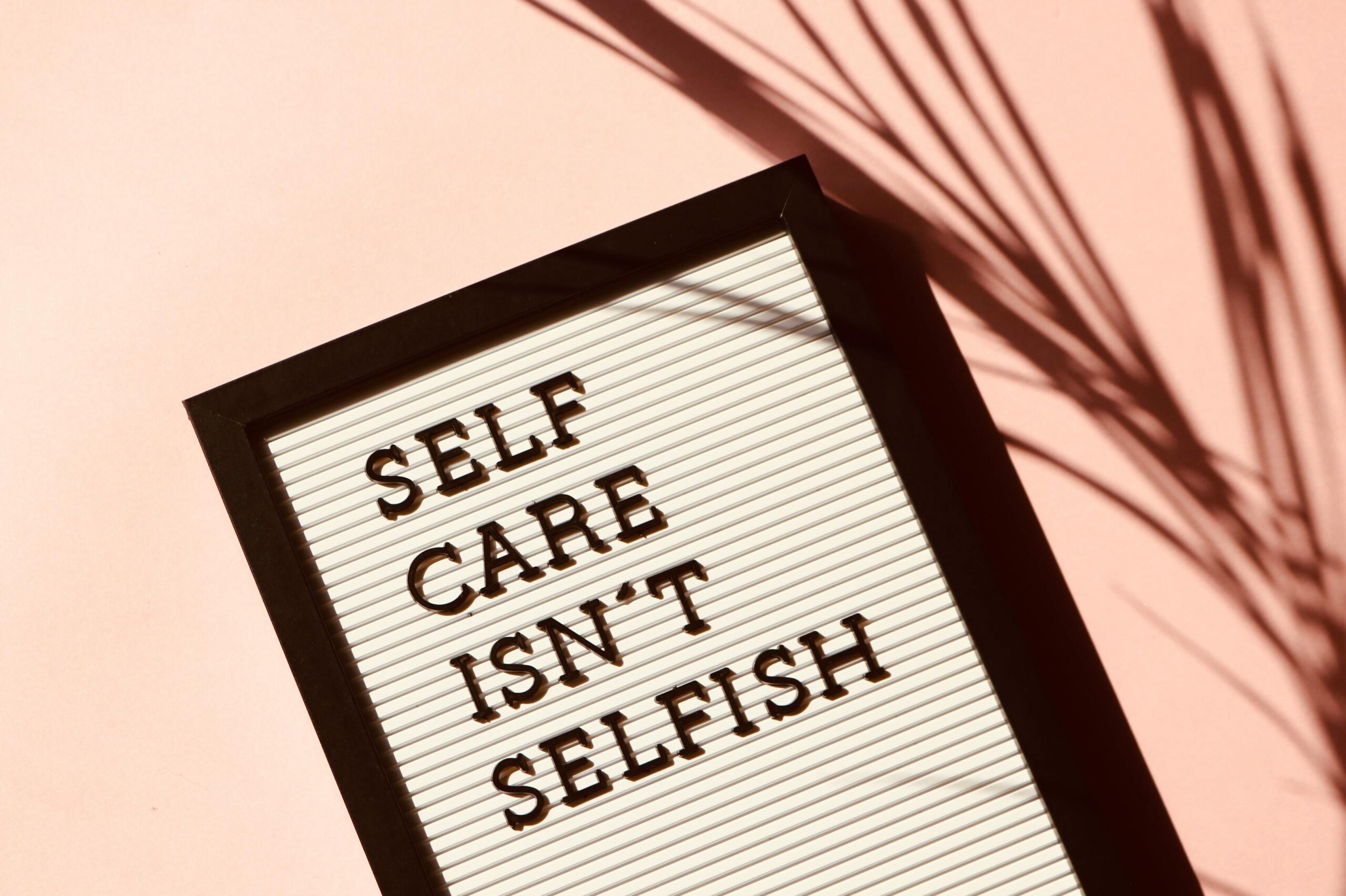
Building lasting habits is the cornerstone of personal transformation. Understanding the science behind behavior change empowers us to design lives that align with our deepest values and aspirations.

🧠 The Neurological Foundation of Habit Formation
Our brains are remarkable pattern-recognition machines, constantly seeking efficiency through automation. When we repeat behaviors consistently, neural pathways strengthen through a process called myelination, making those actions progressively easier to execute. This biological mechanism explains why habits feel effortless once established, yet challenging during initial formation.
The basal ganglia, a cluster of nuclei deep within the brain, plays a crucial role in habit development. This region stores procedural memories and automates routine behaviors, freeing up cognitive resources for complex decision-making. Understanding this neurological architecture helps us appreciate why willpower alone rarely sustains long-term change.
Research from MIT has demonstrated that habits follow a three-part loop: cue, routine, and reward. The cue triggers the behavior, the routine is the behavior itself, and the reward reinforces the neural pathway. By consciously designing each component, we can engineer habits that stick naturally rather than relying on temporary motivation.
⚡ The Compound Effect of Small Daily Actions
Transformative change rarely happens through dramatic gestures. Instead, marginal improvements compounded over time create extraordinary results. A one percent daily improvement leads to being 37 times better over a year—a mathematical reality that underscores the power of consistency over intensity.
This principle applies universally, whether developing fitness routines, learning new skills, or building financial security. The challenge lies in maintaining commitment when immediate results aren’t visible. Our culture celebrates overnight success stories while ignoring the thousands of small steps that preceded breakthrough moments.
James Clear’s atomic habits framework emphasizes making behaviors tiny enough that they’re impossible to refuse. Want to read more? Commit to one page daily. Aspiring to exercise regularly? Start with two minutes. These micro-commitments bypass resistance while establishing the identity of someone who performs that behavior.
Breaking Down the Math of Incremental Progress
Consider the exponential nature of habit stacking. If you improve by just 1% each day for a year, you’ll end up 37 times better. Conversely, declining by 1% daily results in deterioration to nearly zero. This mathematical reality illustrates why consistency matters more than occasional heroic efforts.
| Time Period | 1% Better Daily | 1% Worse Daily |
|---|---|---|
| 1 Month | 1.30x | 0.74x |
| 3 Months | 2.21x | 0.40x |
| 1 Year | 37.78x | 0.03x |
🎯 Identity-Based Habits: Becoming Rather Than Doing
The most sustainable habits emerge from identity shifts rather than outcome goals. Instead of focusing on running a marathon, adopt the identity of a runner. Rather than aiming to write a book, become a writer. This subtle reframing creates profound psychological differences in commitment and persistence.
Outcome-based goals create a “finish line” mentality where motivation evaporates upon achievement or failure. Identity-based habits establish a continuous practice aligned with who you believe yourself to be. Each action becomes a vote for your desired identity, gradually building evidence that reinforces your self-concept.
When behavior stems from identity, it becomes self-sustaining. Writers write because that’s what writers do, not because they’re chasing publication. Athletes train because training defines their identity, not merely to win competitions. This intrinsic motivation proves far more durable than extrinsic rewards.
Practical Identity Transformation Strategies
Begin by asking: “What type of person could achieve the outcomes I desire?” Then, prove that identity to yourself through small, consistent wins. Want to become healthier? Each nutritious meal and brief workout reinforces your identity as someone who prioritizes wellness.
Document these identity-affirming actions. Tracking provides tangible evidence of your evolving self-concept and creates positive feedback loops. Many find habit-tracking applications valuable for maintaining awareness and celebrating progress without overwhelming complexity.
🏗️ Environmental Design: Making Good Habits Inevitable
Willpower is a finite resource that depletes throughout the day. Rather than relying on self-control, engineer your environment to make desired behaviors the path of least resistance. This approach leverages situational forces rather than battling internal impulses.
Charles Duhigg’s research on environmental cues demonstrates that context often overrides intention. Placing workout clothes beside your bed makes morning exercise more likely. Keeping healthy snacks at eye level while hiding junk food reduces unhealthy eating. These environmental modifications work with human psychology rather than against it.
The inverse principle applies equally: increase friction for undesirable behaviors. Delete social media apps from your phone, requiring deliberate reinstallation to access them. Store your television remote in another room. These small barriers provide crucial moments to reconsider automatic impulses.
Creating Behavior-Supportive Spaces
Audit your physical environment through the lens of habit formation. Does your workspace facilitate focused work or invite distraction? Is your kitchen organized to support nutritious cooking or encourage takeout ordering? Small spatial adjustments yield disproportionate behavioral outcomes.
- Position books prominently where you relax to encourage reading
- Keep a water bottle within arm’s reach to increase hydration
- Place musical instruments in visible, accessible locations
- Organize your kitchen for meal preparation efficiency
- Create a dedicated meditation corner that invites practice
⏰ The Critical Role of Timing and Consistency
Habits gain strength through repetition at consistent intervals. The brain recognizes patterns more readily when behaviors occur predictably, whether time-based (every morning at 7 AM) or event-based (after brushing teeth). This consistency accelerates the transition from conscious effort to automatic execution.
Implementation intentions—pre-deciding when and where you’ll perform behaviors—increase follow-through rates dramatically. Research shows that people who specify “I will exercise at 6 AM in my home gym” succeed far more often than those with vague intentions like “I’ll exercise more.”
The optimal frequency for habit formation varies by complexity. Simple behaviors like drinking water may automatize within weeks, while complex skills like meditation or instrument practice require months of daily repetition. Understanding this timeline prevents premature discouragement during the inevitable plateau periods.
💪 Overcoming the Motivation Myth
Waiting for motivation before acting reverses the actual relationship between these variables. Action generates momentum, which produces motivation, which facilitates further action. Successful habit-builders don’t wait to feel motivated; they act regardless of emotional state, knowing feelings will follow.
This counterintuitive principle explains why “motivation follows action” proves more reliable than “action follows motivation.” Starting creates psychological momentum that carries you through initial resistance. The two-minute rule—committing to just two minutes of the desired behavior—overcomes activation energy by making initiation nearly effortless.
Emotional dependence on motivation creates fragility. Moods fluctuate unpredictably, making them unreliable behavioral triggers. Systems and schedules provide structure independent of feelings, ensuring consistency through inevitable emotional variability. Professionals don’t work when inspired; they work according to their schedule, producing inspiration through process.
🔄 Recovery Strategies When Habits Break
Perfection is an unrealistic standard that undermines long-term sustainability. Life inevitably disrupts routines through illness, travel, emergencies, or simple human error. The critical skill isn’t avoiding breaks but recovering quickly when they occur. One missed day poses minimal risk; missing two begins forming a competing pattern.
Implement the “never miss twice” rule as your recovery protocol. When circumstances prevent your desired behavior, prioritize returning immediately rather than waiting for ideal conditions. This resilience prevents temporary disruptions from becoming permanent abandonments.
Normalize imperfection by planning for obstacles. If travel disrupts your gym routine, define alternative exercises requiring no equipment. When schedules become chaotic, identify minimum viable versions of your habits that maintain continuity even during challenging periods. Flexibility within structure prevents all-or-nothing thinking.
Building Antifragile Habit Systems
Antifragile systems don’t just withstand stress—they improve through it. Design habit protocols with built-in flexibility that accommodates life’s unpredictability. Multiple pathways to the same outcome ensure that obstacles redirect rather than stop progress entirely.
For instance, commit to 30 minutes of daily movement rather than specific workouts. This flexibility allows for gym sessions, walks, yoga, or active play with children—all satisfying the core commitment while adapting to circumstances. Such adaptable frameworks prove far more sustainable than rigid specifications.
📊 Measurement and Feedback Loops
What gets measured gets managed. Tracking provides objective data about behavior patterns, revealing gaps between intentions and actions. This awareness itself often catalyzes improvement, as simply observing behavior influences it through the Hawthorne effect.
However, measurement must serve learning rather than judgment. Approach tracking with curiosity rather than criticism, viewing data as information rather than evaluation. This mindset transforms potentially discouraging information into valuable feedback for system refinement.
Choose metrics that reflect processes rather than outcomes. Track workout completion rather than weight loss, writing sessions rather than publication acceptance, meditation minutes rather than enlightenment. Process metrics remain within your control and reinforce the identity-based approach to habit formation.
🌱 Sustainable Progress Through Self-Compassion
Harsh self-criticism undermines habit formation by creating shame spirals that drain motivation and increase avoidance. Research consistently demonstrates that self-compassion—treating yourself with the same kindness you’d offer a struggling friend—produces better long-term outcomes than self-judgment.
Perfectionism masquerades as high standards but actually enables procrastination and abandonment. When inevitable imperfections occur, perfectionists often quit entirely rather than continuing imperfectly. Self-compassionate individuals acknowledge difficulties, respond with understanding, and continue forward without self-flagellation.
This approach doesn’t mean lowering standards or accepting mediocrity. Rather, it recognizes that growth occurs through persistent effort despite imperfection, not through impossible flawlessness. Progress emerges from the messy middle of repeated attempts, adjustments, and recommitments—not from pristine execution.
🎭 Social Dimensions of Behavior Change
Humans are fundamentally social creatures whose behaviors unconsciously mirror those of their peer groups. The Framingham Heart Study revealed that obesity, smoking, and happiness spread through social networks like contagions. This social influence can either support or undermine personal habit formation.
Deliberately cultivating relationships with people embodying your desired behaviors creates powerful environmental support. Join communities of practitioners, whether in-person or online, who normalize the habits you’re developing. Shared identity and mutual accountability dramatically increase persistence during challenging periods.
Conversely, relationships that mock or undermine your efforts create significant headwinds. While you needn’t abandon friends, consciously managing social influences prevents environmental sabotage of intentional change. Sometimes, personal growth requires expanding social circles to include those aligned with your evolving identity.
🚀 Advanced Habit Stacking Techniques
Once foundational habits stabilize, strategic stacking multiplies impact without proportionally increasing difficulty. Pair new habits with established ones, using existing routines as triggers for additional behaviors. “After I pour my morning coffee, I will write three gratitude items” links a desired behavior to an automatic action.
This technique leverages existing neural pathways rather than building entirely new ones. The established habit serves as both reminder and momentum for the new behavior. Over time, the stack becomes a unified routine requiring minimal conscious effort.
Consider complementary habits that mutually reinforce each other. Reading before bed improves sleep quality, which increases morning energy for exercise, which enhances focus for productive work, which reduces stress to improve sleep quality. These virtuous cycles create upward spirals where each habit strengthens others.
🌍 Building Habits That Serve Future Generations
The ultimate measure of habit quality extends beyond personal benefit to collective impact. Sustainable behaviors consider environmental, social, and ethical dimensions alongside individual outcomes. This expanded perspective transforms habit formation from self-improvement project to contribution toward collective flourishing.
Daily choices ripple outward with consequences beyond immediate awareness. Consumption patterns, communication styles, and resource usage collectively shape the world we inhabit and bequeath to future generations. Aligning personal habits with planetary sustainability creates congruence between individual actions and systemic needs.
This doesn’t require perfection or sacrifice of personal wellbeing. Rather, it involves conscious consideration of how daily behaviors affect broader systems. Small shifts—reducing waste, increasing kindness, supporting ethical businesses—compound over time into significant collective impact when adopted by many individuals.

🎯 Designing Your Personal Habit Architecture
Effective habit formation requires strategic prioritization rather than attempting simultaneous transformation across all life domains. Begin with keystone habits that create cascading improvements across multiple areas. Exercise often improves sleep, nutrition, mood, and productivity simultaneously, making it a high-leverage starting point.
Assess your current baseline honestly before planning changes. Attempting to add five new habits while maintaining zero existing routines courts failure. Build gradually from your actual starting point rather than your idealized vision, allowing each habit to stabilize before adding complexity.
Create a personal habit roadmap that sequences changes strategically. Some habits naturally precede others—stable sleep supports morning routines, which enable consistent exercise, which facilitates dietary improvements. This developmental sequence respects psychological capacity and builds momentum through progressive success.
Remember that behavior change is fundamentally personal. While principles apply universally, implementation must honor individual circumstances, preferences, and constraints. Experiment with different approaches, remain curious about what works for you specifically, and continuously refine your systems based on lived experience.
The journey of mastering behavior science and creating sustainable habits represents one of life’s most valuable investments. These skills compound across decades, shaping not only outcomes but the quality of daily experience and the person you become through accumulated choices. Start small, stay consistent, practice self-compassion, and trust the process of gradual transformation. Your future self will thank you for the systems you build today.