Living longer and healthier isn’t just about genetics—it’s about strategic movement. Exercise prescription combined with longevity frameworks offers a scientifically-backed pathway to extend both lifespan and healthspan.

🧬 The Science Behind Exercise and Longevity
The relationship between physical activity and extended lifespan has been studied extensively over the past several decades. Research consistently demonstrates that individuals who engage in regular, structured exercise live significantly longer than their sedentary counterparts. But what makes exercise such a powerful longevity tool goes far beyond simple calorie burning.
At the cellular level, exercise triggers profound biological changes. It enhances mitochondrial function, improves insulin sensitivity, reduces systemic inflammation, and even influences telomere length—the protective caps on our chromosomes that naturally shorten with age. When we exercise consistently, we’re essentially sending signals throughout our body to optimize repair mechanisms and maintain youthful function.
Studies published in prestigious medical journals have shown that moderate to vigorous physical activity can add between 3 to 7 years to life expectancy. Even more importantly, exercise extends healthspan—the number of years we live in good health without chronic disease or disability. This distinction is crucial because living longer only matters if those additional years are vibrant and functional.
💊 What Is Exercise Prescription?
Exercise prescription is the systematic approach to recommending specific physical activities tailored to an individual’s health status, fitness level, and goals. Unlike generic fitness advice, exercise prescription follows a medical model similar to pharmaceutical prescriptions, with precise dosing of frequency, intensity, time, and type of exercise.
Healthcare professionals trained in exercise prescription consider multiple factors including current cardiovascular health, metabolic function, musculoskeletal condition, and disease risk factors. They then create personalized exercise plans that maximize benefits while minimizing injury risk. This individualized approach makes exercise prescription far more effective than one-size-fits-all workout programs.
The components of a comprehensive exercise prescription include cardiovascular training, resistance exercise, flexibility work, and balance training. Each element addresses different aspects of physical function and contributes uniquely to longevity. The prescription specifies not just what exercises to do, but precisely how often, how intensely, and for how long.
The FITT Principle in Exercise Prescription
Exercise scientists use the FITT principle as the foundation for creating effective prescriptions:
- Frequency: How often you exercise each week, typically 3-5 days for optimal longevity benefits
- Intensity: How hard you work during exercise, measured through heart rate zones or perceived exertion
- Time: Duration of each exercise session, usually 30-60 minutes for substantial health impacts
- Type: The specific mode of exercise such as walking, swimming, cycling, or resistance training
🏗️ Understanding Longevity Frameworks
Longevity frameworks provide structured approaches to optimizing healthspan and lifespan through evidence-based interventions. These frameworks integrate multiple health pillars including exercise, nutrition, sleep, stress management, and social connection. Leading longevity researchers and physicians have developed several frameworks that guide individuals toward longer, healthier lives.
Dr. Peter Attia’s longevity framework emphasizes what he calls “Medicine 3.0″—a proactive approach focused on preventing chronic disease decades before it manifests. His framework prioritizes exercise as the single most powerful longevity intervention, particularly emphasizing the importance of maintaining muscle mass, cardiovascular fitness, and metabolic health throughout the aging process.
The Blue Zones research, conducted by Dan Buettner, identified regions worldwide where people live longest and healthiest. These populations naturally incorporate movement throughout their daily lives—not through gym memberships but through walking, gardening, and physical labor. This framework suggests that consistent, moderate-intensity movement integrated into daily routines may be more beneficial than intense occasional workouts.
Key Pillars of Effective Longevity Frameworks
Most comprehensive longevity frameworks share common elements that work synergistically with exercise prescription:
- Metabolic Health: Maintaining healthy blood sugar, insulin sensitivity, and body composition through exercise and nutrition
- Cardiovascular Fitness: Building and preserving aerobic capacity, which strongly predicts mortality risk
- Musculoskeletal Strength: Preserving muscle mass and bone density to maintain independence and prevent falls
- Cognitive Function: Protecting brain health through activities that challenge both body and mind
- Recovery and Adaptation: Allowing adequate rest for the body to adapt to training stresses
🏃♀️ The Four Pillars of Longevity-Focused Exercise
An optimal exercise prescription for longevity includes four distinct training modalities, each contributing uniquely to extended healthspan. Research indicates that combining all four types produces superior results compared to focusing on just one or two.
Zone 2 Cardiovascular Training
Zone 2 training involves moderate-intensity aerobic exercise where you can still hold a conversation but feel challenged. This training zone optimizes mitochondrial function and metabolic flexibility—the ability to efficiently switch between burning carbohydrates and fats for fuel. Most longevity experts recommend 150-180 minutes of Zone 2 training weekly.
Activities like brisk walking, easy cycling, swimming, or rowing performed at conversational pace fall into this category. The beauty of Zone 2 work is its sustainability—you can maintain this intensity for extended periods without excessive fatigue or injury risk. This makes it ideal for building an exercise foundation that lasts decades.
High-Intensity Interval Training (HIIT)
While Zone 2 builds aerobic base, HIIT develops peak cardiovascular capacity and enhances the body’s ability to clear lactate. These short bursts of intense effort followed by recovery periods stimulate powerful adaptations in cardiac output and oxygen utilization. Research shows that VO2 max—maximum oxygen uptake—is one of the strongest predictors of longevity.
A typical longevity-focused HIIT session might include 4-6 intervals of 3-4 minutes at challenging intensity, separated by equal recovery periods. Just one or two HIIT sessions weekly can significantly improve cardiovascular fitness when combined with regular Zone 2 work.
Resistance Training for Muscle and Bone
Sarcopenia—age-related muscle loss—begins as early as our 30s and accelerates after 50. This muscle decline directly correlates with increased mortality risk, reduced metabolic health, and loss of independence. Resistance training combats sarcopenia while simultaneously strengthening bones and connective tissue.
An effective longevity-focused strength program includes compound movements that engage multiple muscle groups: squats, deadlifts, presses, and pulling exercises. Training each major muscle group 2-3 times weekly with progressive overload—gradually increasing weight or difficulty—preserves and builds lean tissue throughout the lifespan.
Stability, Balance, and Mobility Work
Falls represent a leading cause of injury and death in older adults. Maintaining balance, stability, and joint mobility through targeted training reduces fall risk dramatically. This often-overlooked pillar includes exercises like single-leg balance work, yoga, tai chi, and dynamic mobility drills.
Flexibility and mobility training also allows you to continue performing the other three exercise modalities safely as you age. Dedicating 10-15 minutes daily to mobility work pays enormous dividends in maintaining functional independence.
📊 Measuring Success: Biomarkers of Longevity
Effective exercise prescription requires tracking relevant biomarkers that indicate progress toward longevity goals. These metrics provide objective feedback about whether your exercise program is producing desired adaptations.
| Biomarker | Why It Matters | Target Range |
|---|---|---|
| VO2 Max | Peak aerobic capacity; strong mortality predictor | Top 25% for age/gender |
| Resting Heart Rate | Indicates cardiovascular fitness | 50-70 bpm |
| Grip Strength | Proxy for overall muscle health | Above age-adjusted median |
| Lean Muscle Mass | Metabolic health and physical function | Maintain or increase from baseline |
| Fasting Glucose | Metabolic health indicator | 70-100 mg/dL |
🎯 Personalizing Your Exercise Prescription
While general principles apply broadly, the most effective exercise prescriptions account for individual circumstances, limitations, and preferences. A 35-year-old with no health issues requires a different approach than a 65-year-old managing type 2 diabetes.
Starting points should match current fitness levels. Someone new to exercise benefits from beginning with just 10-15 minutes of walking daily and basic bodyweight exercises. Meanwhile, already-active individuals can immediately incorporate more structured training with higher volumes and intensities.
Existing injuries or health conditions require modifications. Individuals with joint issues might emphasize swimming or cycling over high-impact activities. Those with cardiovascular disease need medical clearance and careful monitoring during exercise progression. Working with healthcare providers and qualified fitness professionals ensures safety while maximizing benefits.
The Role of Technology in Exercise Prescription
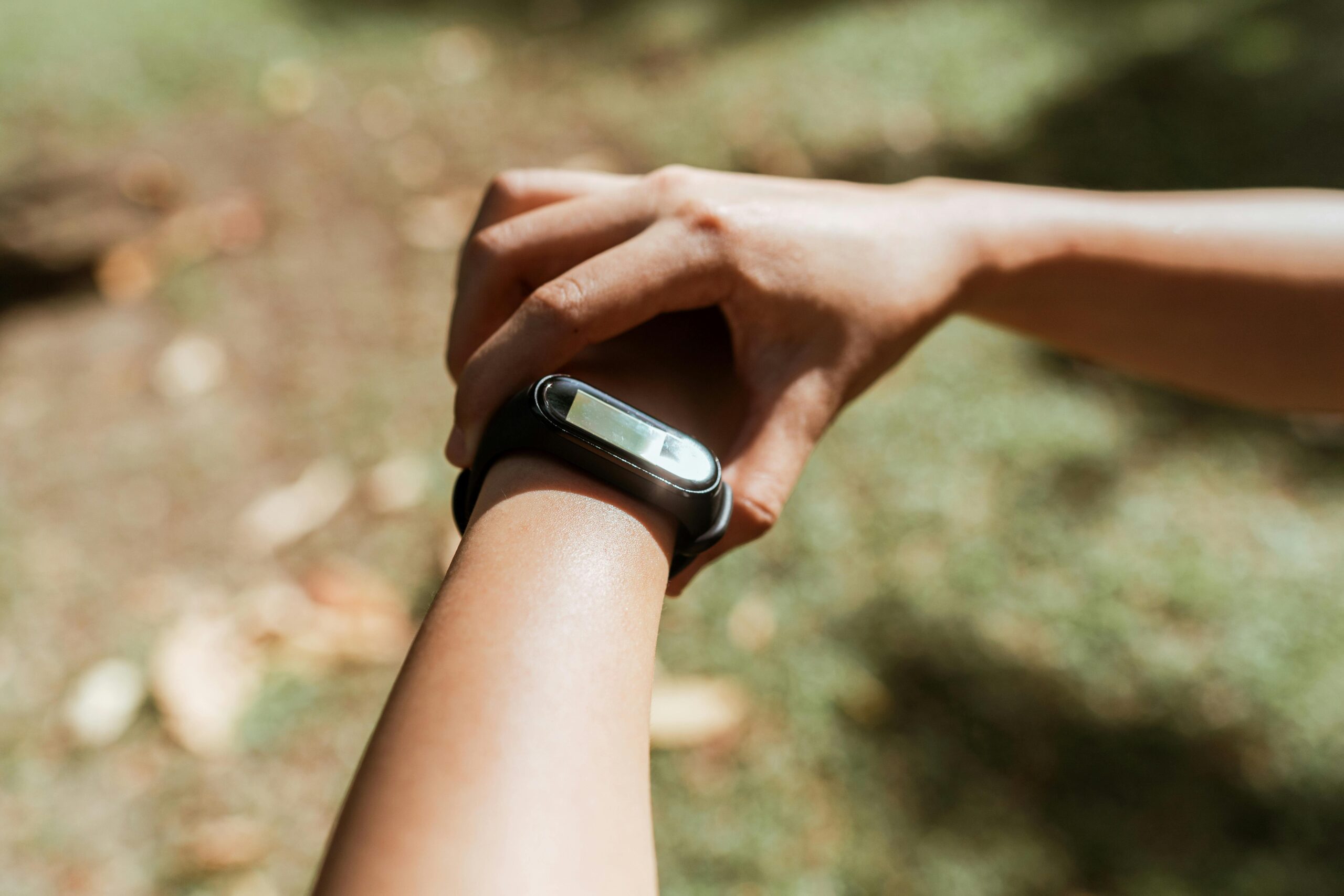
Modern technology has revolutionized how we prescribe, track, and adjust exercise programs. Wearable devices monitor heart rate, track workout duration, estimate calorie expenditure, and even assess recovery status through heart rate variability measurements. Fitness apps provide structured workout programs, demonstrate proper exercise technique, and maintain training logs.
These digital tools make personalized exercise prescription more accessible than ever. Many apps now incorporate artificial intelligence to adapt workout recommendations based on performance and recovery data. While technology shouldn’t replace professional guidance entirely, it serves as a valuable supplement for monitoring adherence and progress.
⚠️ Common Mistakes That Undermine Longevity Goals
Despite good intentions, many people make critical errors in their exercise approach that limit longevity benefits or increase injury risk. Understanding these pitfalls helps you avoid them in your own training.
The first major mistake is doing too much, too soon. Enthusiasm often leads people to adopt aggressive exercise programs their bodies aren’t prepared to handle. This results in burnout, injury, or both—outcomes that interrupt consistency, which matters far more than any single workout. Gradual progression allows sustainable adaptation without overwhelming recovery capacity.
Conversely, some individuals never progress beyond comfortable routines. The body requires progressive overload to continue adapting. If you’ve been doing the same 30-minute walk at the same pace for years, you’re maintaining current fitness but not improving. Longevity benefits come from challenging your body to adapt to increasing demands.
Neglecting recovery represents another common error. Exercise creates the stimulus for improvement, but adaptation happens during rest. Inadequate sleep, poor nutrition, and insufficient recovery time between intense sessions prevent the body from rebuilding stronger. Most adults need 7-9 hours of quality sleep nightly for optimal exercise adaptation.
Finally, many people focus exclusively on one exercise modality while ignoring others. The runner who never does resistance training loses muscle mass. The weightlifter who avoids cardio develops poor aerobic fitness. Comprehensive longevity requires addressing all four exercise pillars consistently.
🌟 Building an Exercise Habit That Lasts Decades
Knowledge about optimal exercise prescription means nothing without consistent implementation. The real secret to longevity through exercise isn’t finding the perfect program—it’s building habits that persist for decades.
Start by linking exercise to existing daily routines. Morning exercisers often have greater long-term adherence because fewer conflicts arise early in the day. However, the best time is whatever time you’ll actually do it consistently. Some people thrive with lunchtime workouts, while others prefer evening sessions.
Social accountability dramatically improves adherence. Training partners, group classes, or online communities provide motivation on days when individual willpower falters. The social connections formed through exercise also contribute directly to longevity independent of the physical activity itself.
Focus on activities you genuinely enjoy. If you hate running, don’t force yourself to become a runner. Find movement you look forward to—dancing, hiking, martial arts, swimming, cycling. When exercise feels like play rather than punishment, consistency becomes effortless.
🔬 Emerging Research and Future Directions
The field of exercise science and longevity research continues evolving rapidly. Recent studies have begun examining how exercise timing influences its longevity benefits. Some research suggests morning exercise may optimize circadian rhythms and metabolic function differently than evening training.
Scientists are also investigating how exercise influences epigenetics—changes in gene expression that don’t alter DNA sequences but dramatically affect health outcomes. Regular exercise appears to activate beneficial genes while silencing others associated with disease and aging. These epigenetic modifications may even transfer across generations.
The concept of “exercise snacks”—brief bursts of activity throughout the day—has gained research attention. Studies indicate that accumulating movement in short bouts may provide similar or even superior benefits compared to single longer sessions. This approach makes exercise more accessible for people with busy schedules or limited fitness.
Personalized exercise prescription based on genetic testing represents another frontier. While still emerging, this approach could eventually allow truly individualized programming based on genetic predispositions to certain exercise responses, injury risks, and recovery patterns.
💪 Taking the First Step Toward Your Longevity Journey
Understanding the power of exercise prescription and longevity frameworks is just the beginning. The crucial next step involves translating knowledge into action. Start where you are, not where you wish you were. Even small amounts of movement provide meaningful benefits for previously sedentary individuals.
Consider consulting with healthcare professionals trained in exercise prescription, especially if you have existing health conditions or haven’t been active recently. Many physicians, physical therapists, and clinical exercise physiologists can provide personalized guidance based on your unique situation.
Remember that exercise is just one pillar of longevity, though arguably the most powerful single intervention available. Combine your movement practice with adequate sleep, stress management, social connection, and nutritious eating for comprehensive healthspan optimization.
The journey toward a longer, healthier life begins with a single workout. Each exercise session deposits adaptations into your biological bank account, accumulating over months and years into profound transformations. Start today—your future self will thank you for the investment.
Living beyond 100 years in excellent health isn’t reserved for genetic lottery winners. It’s increasingly achievable for anyone willing to embrace evidence-based exercise prescription within a comprehensive longevity framework. The power to extend both your lifespan and healthspan lies literally in your own two feet. The only question remaining is: will you take that first step? 🚀