The digital revolution has transformed how we monitor, manage, and optimize our health. Today’s technology offers unprecedented opportunities to take control of your wellbeing through smart tracking tools.

The Digital Health Transformation: Why Tracking Matters Now More Than Ever 📱
We live in an era where information is power, and when it comes to your health, this has never been more true. Digital lifestyle tracking has emerged as one of the most effective ways to understand your body, identify patterns, and make informed decisions about your wellbeing. Unlike traditional health monitoring that relied on sporadic doctor visits and vague recollections of symptoms, modern digital tools provide continuous, accurate, and actionable data.
The statistics speak for themselves: studies show that people who actively track their health metrics are 40% more likely to achieve their wellness goals compared to those who don’t. This isn’t just about counting steps or monitoring sleep—it’s about creating a comprehensive picture of your health that empowers you to make meaningful changes.
Digital health tracking encompasses everything from physical activity and nutrition to mental wellness and chronic condition management. The beauty of these tools lies in their ability to synthesize complex data into understandable insights, making preventive healthcare accessible to everyone, not just medical professionals.
Understanding the Core Components of Digital Lifestyle Tracking 🎯
Before diving into specific tools and strategies, it’s essential to understand what comprehensive lifestyle tracking actually involves. Think of it as creating a complete health ecosystem where different elements work together to give you the full picture.
Physical Activity and Movement Monitoring
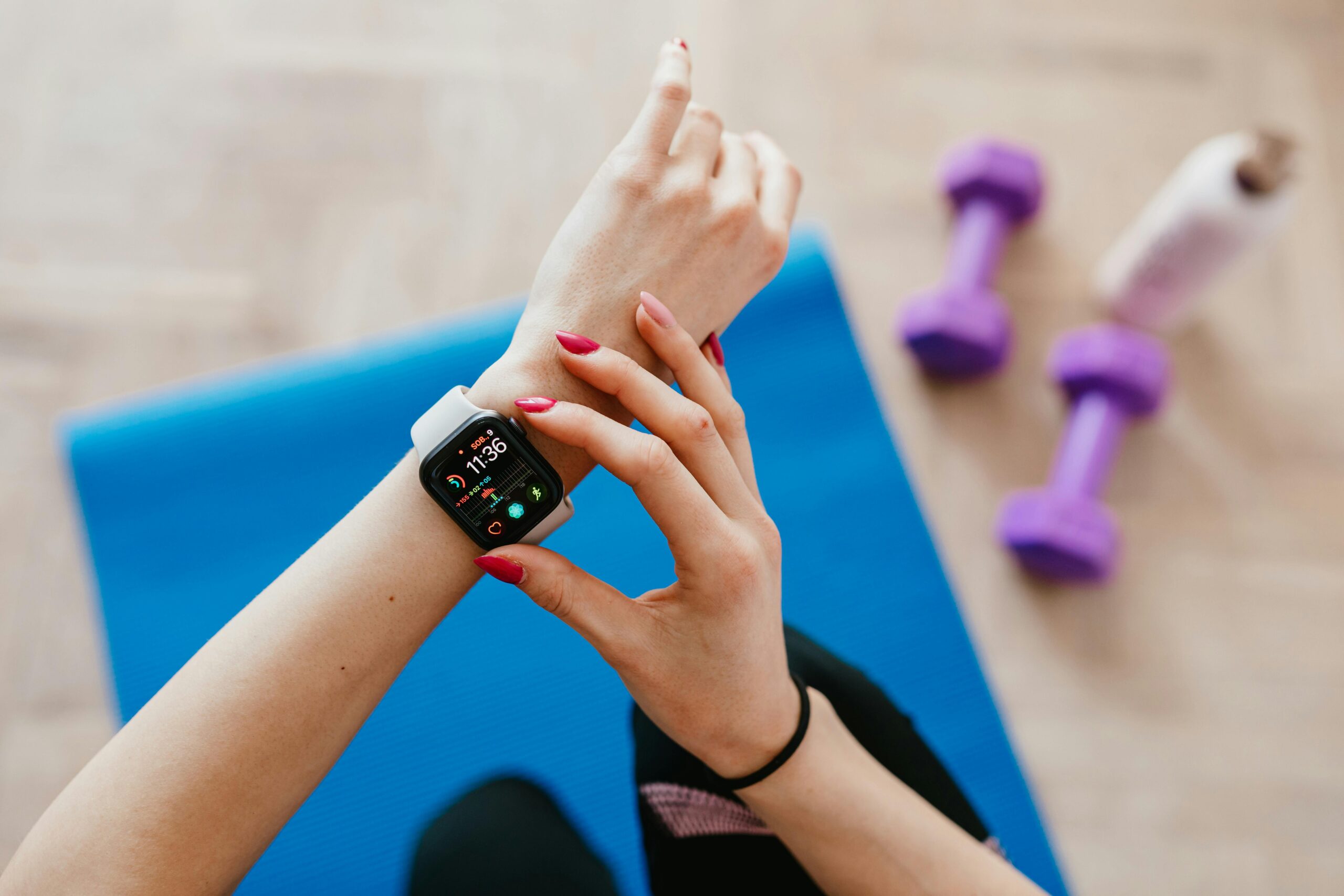
Tracking your daily movement goes far beyond simple step counting. Modern fitness trackers monitor various metrics including active minutes, exercise intensity, calorie burn, and even recovery time. This data helps you understand not just how much you’re moving, but whether you’re moving effectively for your specific health goals.
Whether you’re training for a marathon or simply trying to combat a sedentary lifestyle, movement tracking provides objective feedback. It removes guesswork and helps you identify patterns—like discovering you’re most active on Tuesdays or that you consistently fall short of your weekend activity goals.
Nutrition and Dietary Patterns
What you eat directly impacts how you feel, perform, and thrive. Digital nutrition tracking has evolved from tedious calorie counting to sophisticated apps that analyze macronutrient balance, identify nutritional deficiencies, and even suggest meal plans based on your goals and preferences.
These tools help you become more mindful of your eating habits, revealing patterns you might not have noticed. Perhaps you’re consuming more sugar than you realized, or maybe you’re not getting enough protein to support your fitness routine. Knowledge is the first step toward positive change.
Sleep Quality and Recovery
Sleep is the foundation of good health, yet it’s often overlooked. Digital sleep trackers use advanced sensors to monitor sleep stages, duration, interruptions, and overall sleep quality. This information is invaluable for understanding how your daily habits affect your rest and recovery.
Poor sleep affects everything from weight management to mental health, immune function to productivity. By tracking your sleep patterns, you can identify factors that improve or disrupt your rest, allowing you to optimize your sleep environment and routines.
Mental Wellness and Stress Management
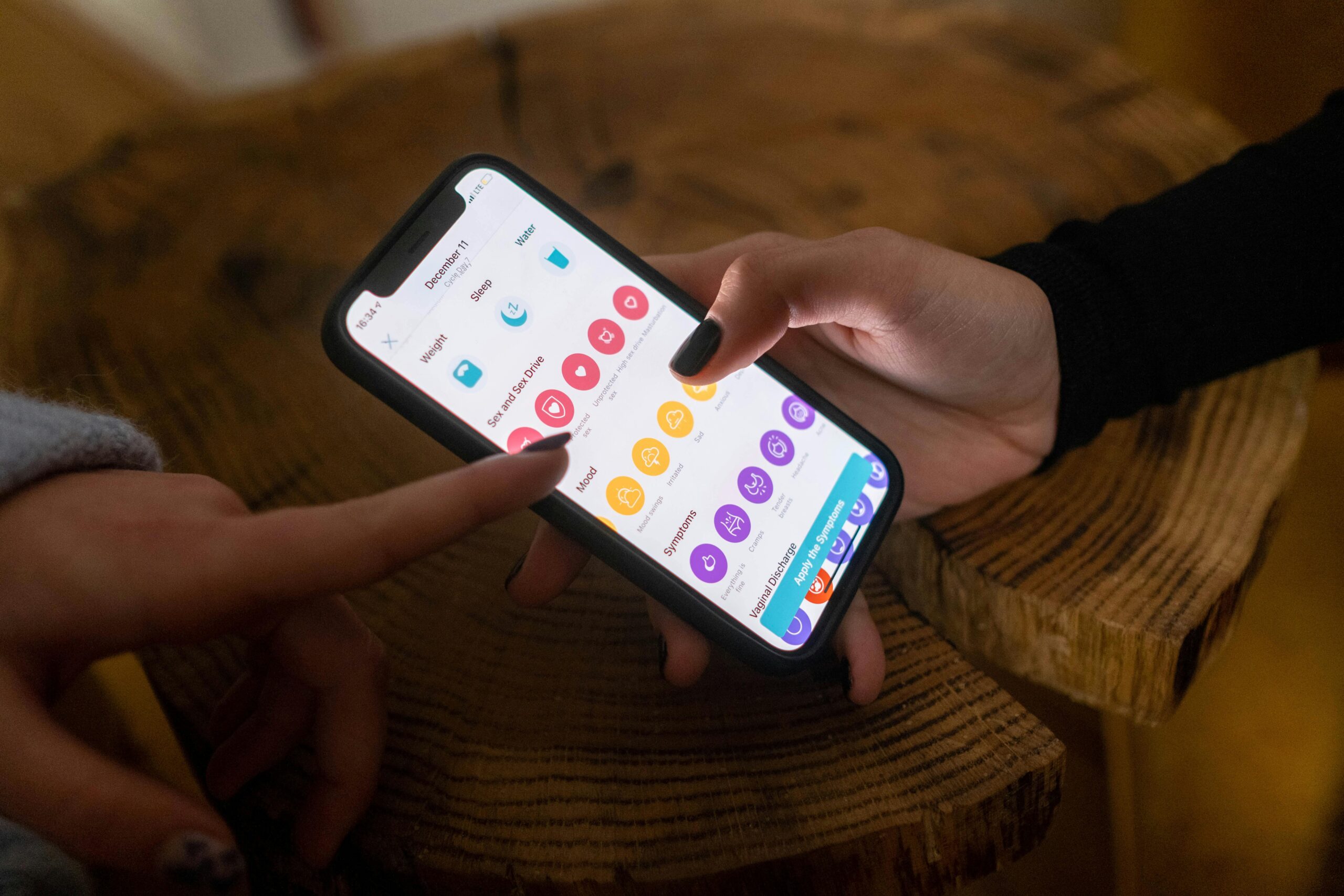
Mental health is just as important as physical health, and digital tools are making it easier to monitor and manage emotional wellbeing. Apps for meditation, mood tracking, and stress management provide structured support for maintaining psychological balance in our demanding world.
These platforms often include features like guided breathing exercises, mindfulness practices, and journaling prompts that help you process emotions and develop resilience. Regular use can significantly reduce anxiety, improve focus, and enhance overall life satisfaction.
Choosing the Right Digital Tools for Your Health Journey 🔍
The market is flooded with health tracking apps and devices, which can feel overwhelming. The key is finding tools that align with your specific needs, preferences, and goals. Not everyone needs the same level of detail or the same features.
All-in-One Health Tracking Platforms
Some applications aim to be your complete health companion, integrating multiple tracking features into a single platform. Google Fit is an excellent example of a comprehensive solution that monitors activity, nutrition, and vital health metrics while connecting with various wearable devices.
These platforms offer the convenience of having all your health data in one place, making it easier to spot connections between different aspects of your lifestyle. For instance, you might discover that poor sleep correlates with decreased activity levels or that certain foods affect your energy throughout the day.
Specialized Fitness Applications
For those with specific fitness goals, specialized apps provide deeper functionality. MyFitnessPal has become synonymous with nutrition tracking, offering an extensive food database and detailed macronutrient analysis that helps users understand exactly what they’re consuming.
Similarly, running apps like Strava provide detailed performance analytics, social features for motivation, and training plans tailored to your current fitness level and goals. The right specialized app can transform a casual activity into a structured, progressive program.
Mental Wellness and Mindfulness Applications
Mental health tracking requires different approaches than physical metrics. Headspace offers guided meditation sessions, sleep sounds, and mindfulness exercises that help users develop consistent mental wellness practices.
These apps make mental health practices accessible and approachable, removing barriers that might prevent people from seeking support. Regular use can lead to measurable improvements in stress levels, emotional regulation, and overall mental clarity.
Maximizing the Impact of Your Health Tracking Efforts 💪
Simply downloading apps and collecting data isn’t enough. The real power comes from actively engaging with your health information and using it to drive meaningful changes in your lifestyle.
Establishing Clear, Measurable Goals
Start with specific objectives rather than vague intentions. Instead of “get healthier,” aim for “walk 10,000 steps daily” or “meditate for 10 minutes each morning.” Clear goals give you concrete targets to track and celebrate when achieved.
Break larger goals into smaller milestones. If you want to lose 20 pounds, focus first on losing 5 pounds. Each milestone reached builds momentum and confidence, making the ultimate goal feel more achievable.
Creating Sustainable Habits Through Data Insights
Use your tracking data to identify your natural patterns and rhythms. Are you more energetic in the morning? Schedule workouts then. Do you tend to overeat in the evening? Plan satisfying dinners that prevent late-night snacking.
The data reveals your behavioral patterns, both positive and negative. Once you understand these patterns, you can design interventions that work with your natural tendencies rather than against them, making sustainable change far more likely.
Regular Review and Adjustment
Set aside time weekly to review your health data. Look for trends, celebrate successes, and identify areas needing attention. This regular review keeps you engaged and allows you to adjust your approach based on what’s actually working.
Health tracking isn’t static—your needs and circumstances change, and your tracking approach should evolve accordingly. What works during a high-stress period might differ from what’s optimal during more stable times.
Overcoming Common Challenges in Digital Health Tracking 🚧
While digital health tools offer tremendous benefits, they also present challenges. Understanding and preparing for these obstacles increases your likelihood of long-term success.
Avoiding Information Overload
More data isn’t always better. Too many metrics can become overwhelming and counterproductive. Focus on tracking the key indicators most relevant to your current goals rather than trying to monitor everything simultaneously.
Start simple—perhaps just activity and sleep—then gradually add other metrics as those habits become established. This progressive approach prevents burnout and allows you to fully understand each aspect before adding complexity.
Maintaining Privacy and Data Security
Health data is deeply personal, and protecting your privacy should be a priority. Review the privacy policies of any health apps you use, understanding what data is collected, how it’s stored, and whether it’s shared with third parties.
Use strong passwords, enable two-factor authentication when available, and be selective about which apps have access to your information. Your health data has value—treat it with appropriate caution and respect.
Preventing Obsessive Tracking Behaviors
While tracking can be empowering, it can also become obsessive. If you find yourself constantly checking metrics, feeling anxious when you can’t track something, or letting data dictate your mood, it’s time to reassess your relationship with these tools.
Remember that tracking is meant to serve you, not control you. It’s okay to take breaks, and it’s important to maintain perspective. Your worth isn’t determined by your step count or sleep score.
The Science Behind Effective Lifestyle Tracking 🔬
Understanding why tracking works can motivate you to stick with it. The psychology and physiology behind digital health monitoring reveal why these tools are so effective at promoting behavior change.
The Self-Monitoring Effect
Research consistently shows that self-monitoring improves outcomes across various health behaviors. Simply measuring something makes you more aware of it, which naturally influences your choices. This is called the Hawthorne Effect—when people know they’re being observed (even by themselves), they modify their behavior.
Tracking creates accountability. When you know you’ll log that cookie or see your step count at day’s end, you’re more likely to make choices aligned with your goals. This isn’t about guilt—it’s about conscious decision-making.
Immediate Feedback and Motivation
Digital tools provide instant feedback that traditional methods can’t match. Seeing your progress in real-time activates reward centers in your brain, releasing dopamine that reinforces positive behaviors. This creates a virtuous cycle where success breeds more success.
Visual representations of progress—whether graphs, badges, or streaks—tap into our psychological need for achievement and competence. These gamification elements aren’t frivolous; they’re powerful motivational tools backed by behavioral science.
Pattern Recognition and Predictive Insights
Advanced health tracking platforms use algorithms to identify patterns you might miss. They can predict when you’re at risk of injury based on training load, suggest optimal meal timing based on your activity patterns, or identify sleep disruptors you hadn’t considered.
This artificial intelligence-driven analysis transforms raw data into actionable wisdom, providing personalized recommendations that generic health advice simply can’t match. It’s like having a personal health analyst working 24/7 on your behalf.
Integrating Digital Tracking into Your Daily Routine Seamlessly ⚡
The most effective tracking system is one you’ll actually use consistently. Integration into your daily life should feel natural, not burdensome.
Morning Health Rituals
Start your day with a brief health check-in. Review yesterday’s data, set intentions for today, and log your morning vitals. This takes just minutes but establishes a mindful connection with your health goals from the outset.
Pair tracking with existing habits. If you always have coffee first thing, use that time to review your sleep data and plan your day accordingly. Habit stacking makes new behaviors stick more effectively.
Strategic Automation
Leverage automation wherever possible. Wearable devices automatically track steps, heart rate, and sleep. Smart scales upload weight data without manual entry. The less manual work required, the more likely you’ll maintain consistent tracking.
Set up notifications and reminders strategically—enough to keep you accountable but not so many that they become annoying. A midday movement reminder might be helpful; hourly notifications probably aren’t.
Evening Reflection and Planning
End your day with a quick review session. Did you meet your goals? What went well? What could improve tomorrow? This reflection solidifies learning and helps you continuously refine your approach.
Use this time to plan for potential obstacles tomorrow. If you have early meetings, set out workout clothes tonight. If you know lunch will be rushed, prep a healthy meal in advance. Proactive planning, informed by your tracking data, prevents setbacks.
Future-Proofing Your Health with Emerging Technologies 🚀
Digital health tracking continues to evolve rapidly. Understanding emerging trends helps you stay ahead and leverage new capabilities as they become available.
Wearable Technology Advancements
Next-generation wearables go beyond basic fitness tracking to include continuous glucose monitoring, blood pressure measurement, and even early disease detection. These devices are becoming more accurate, less intrusive, and increasingly affordable.
We’re moving toward a future where health issues can be identified and addressed before symptoms even appear, shifting from reactive to truly preventive healthcare. Your smartwatch might soon alert you to potential health problems days before you’d notice them yourself.
AI-Powered Health Coaching
Artificial intelligence is revolutionizing personalized health guidance. These systems learn your patterns, preferences, and responses, providing increasingly tailored recommendations that adapt as you progress and change.
Rather than generic advice, AI coaches consider your complete health profile, environmental factors, and even your psychological tendencies to suggest interventions with the highest likelihood of success for your unique situation.
Integration with Healthcare Systems
The boundary between consumer health tracking and professional medical care is blurring. Many healthcare providers now integrate patient-generated health data from apps and wearables into medical records, enabling more informed, collaborative care.
This integration means your lifestyle data can inform clinical decisions, creating a more holistic approach to health management. Your doctor can see how you’re really doing between appointments, not just how you remember feeling.
Taking the First Step Toward Digital Health Empowerment 🌟
The journey to better health through digital tracking begins with a single decision: to start. You don’t need perfect tools or comprehensive knowledge—you just need commitment to begin and persistence to continue.
Choose one aspect of your health to track initially. Perhaps it’s daily steps, water intake, or sleep quality. Master that one metric, making it an effortless habit, before expanding to others. This graduated approach prevents overwhelm and builds sustainable practices.
Remember that tracking is a tool, not a judgment. Some days will be great; others won’t. The data simply provides information—what you do with that information determines your outcomes. Approach your health journey with curiosity and compassion, celebrating progress while learning from setbacks.
Digital health tracking represents one of the most powerful tools available for personal transformation. By harnessing these technologies thoughtfully and consistently, you’re not just collecting data—you’re building a deeper understanding of yourself and creating the foundation for lifelong wellbeing. Your health revolution begins now, and the digital tools at your disposal make success more achievable than ever before.