Healthcare is entering a transformative era where lifestyle data integration is reshaping how care plans are designed, implemented, and personized for better patient outcomes.

📊 The Evolution of Healthcare Data in Modern Medicine
Traditional healthcare has long relied on episodic data collection—vital signs during appointments, lab results, and patient-reported symptoms. While valuable, this approach provides only fragmented snapshots of a patient’s health journey. The integration of lifestyle data marks a paradigm shift, offering continuous, real-world insights that paint a comprehensive picture of patient wellbeing.
Lifestyle data encompasses various dimensions of daily living: physical activity levels, sleep patterns, dietary habits, stress indicators, and environmental exposures. When woven into care plans, these data points transform static treatment protocols into dynamic, responsive healthcare strategies that adapt to individual patient needs and circumstances.
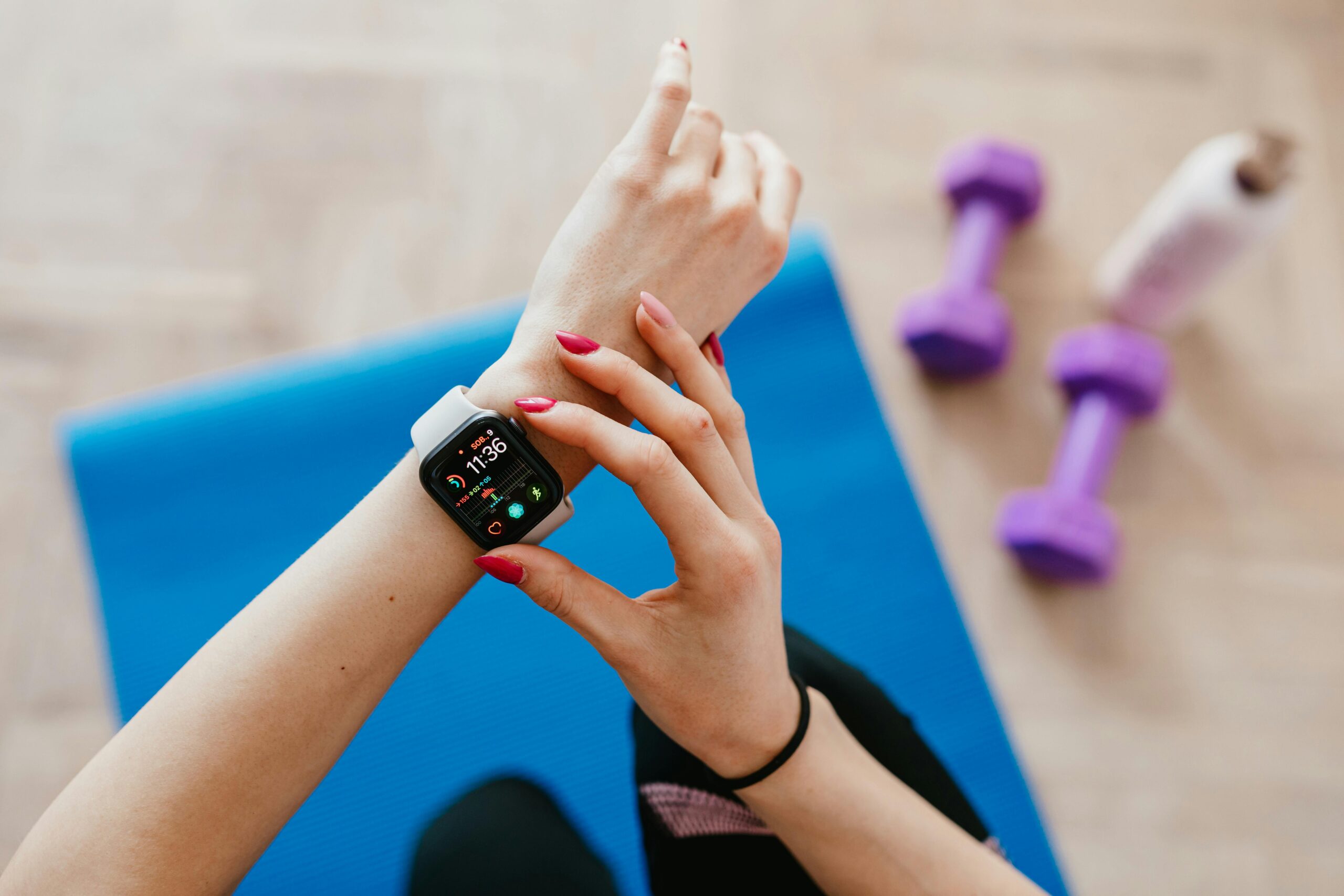
The convergence of wearable technology, smartphone applications, and Internet of Things (IoT) devices has made continuous health monitoring not just possible but practical. Patients now generate valuable health information 24/7, creating unprecedented opportunities for healthcare providers to intervene proactively rather than reactively.
🔍 Understanding Lifestyle Data: Beyond Clinical Measurements
Lifestyle data represents the bridge between clinical environments and real-world patient experiences. Unlike traditional clinical metrics measured in controlled settings, lifestyle data captures behavior and health indicators within the context of daily life, where most health outcomes are actually determined.
Key Categories of Lifestyle Data
Physical activity tracking goes beyond simple step counts. Modern sensors capture movement intensity, exercise duration, sedentary periods, and even specific activity types. This granular data helps healthcare providers understand compliance with exercise recommendations and identify barriers to physical activity that might not surface during brief clinical consultations.
Sleep quality metrics have evolved dramatically. Advanced sleep tracking analyzes sleep stages, interruptions, breathing patterns, and environmental factors affecting rest. For chronic conditions like diabetes, cardiovascular disease, and mental health disorders, sleep data provides critical insights into disease progression and treatment efficacy.
Nutritional information, when tracked through food logging apps or smart kitchen devices, reveals eating patterns that directly impact chronic disease management. This data helps identify nutritional deficiencies, track adherence to dietary recommendations, and correlate food choices with symptom flares or improvements.
Stress and mental wellbeing indicators, measured through heart rate variability, breathing patterns, and self-reported mood assessments, offer windows into psychological health that traditional appointments might miss. These metrics are particularly valuable for managing conditions with strong psychosomatic components.
💡 Transforming Care Plans Through Data Integration
Integrating lifestyle data into care plans fundamentally changes the patient-provider relationship. Instead of relying solely on patient recall or infrequent measurements, healthcare teams access objective, continuous data streams that inform decision-making with unprecedented precision.
Personalized Treatment Protocols
Generic treatment guidelines give way to individualized protocols when lifestyle data illuminates how specific patients respond to interventions. For example, a diabetes patient’s continuous glucose monitor data combined with activity and meal tracking reveals personalized patterns—perhaps blood sugar spikes occur specifically after evening meals or drops during certain exercise intensities.
This specificity enables healthcare providers to tailor medication timing, dietary recommendations, and activity suggestions to each patient’s unique physiological responses and lifestyle constraints. The result is improved adherence, better outcomes, and reduced trial-and-error in treatment optimization.
Proactive Intervention and Prevention
Lifestyle data enables predictive healthcare. Algorithms analyzing trends in activity, sleep, vital signs, and other metrics can identify deterioration patterns before clinical symptoms become apparent. Early warning systems alert healthcare teams to intervene before emergency situations develop.
For cardiac patients, declining activity levels combined with irregular heart rate patterns might signal impending decompensation. For mental health patients, changes in sleep architecture and social engagement metrics could indicate relapse risk. These early signals create opportunities for timely adjustments to care plans that prevent hospitalizations and complications.
🏥 Clinical Applications Across Medical Specialties
The integration of lifestyle data proves valuable across diverse medical specialties, each leveraging different data types to enhance patient care and outcomes.
Chronic Disease Management
Chronic conditions like diabetes, hypertension, and heart disease benefit enormously from lifestyle data integration. Continuous monitoring reveals how daily behaviors impact disease markers, enabling real-time feedback loops that reinforce positive behaviors and highlight problematic patterns.
Diabetes management exemplifies this transformation. Continuous glucose monitors paired with activity trackers and nutrition apps create comprehensive profiles showing how specific foods, exercise timing, stress levels, and sleep quality affect blood sugar control. Patients gain actionable insights that textbooks and generic advice cannot provide.
Mental Health and Behavioral Wellness
Mental health treatment traditionally relies heavily on patient self-reporting, which can be compromised by recall bias, stigma, or the very symptoms being treated. Lifestyle data offers more objective measures of wellbeing, activity patterns, social interaction, and physiological stress markers.
Depression screening increasingly incorporates smartphone usage patterns, physical activity levels, and voice analysis algorithms that detect mood changes. These digital biomarkers complement traditional assessments, providing earlier detection and more nuanced treatment monitoring.
Post-Surgical Recovery and Rehabilitation
Recovery from surgery or injury benefits from precise activity monitoring. Physical therapists access objective data on exercise compliance, movement quality, and recovery trajectory. Deviations from expected recovery patterns trigger early interventions, preventing complications and optimizing rehabilitation outcomes.
Remote monitoring through wearables allows patients to recover at home while maintaining appropriate oversight, reducing healthcare costs and improving patient satisfaction without compromising safety or outcomes.
🔐 Addressing Privacy, Security, and Ethical Considerations
The integration of lifestyle data into healthcare systems raises important questions about privacy, data security, consent, and potential misuse. Addressing these concerns transparently is essential for maintaining patient trust and ensuring ethical implementation.
Data Protection and Patient Control
Healthcare organizations must implement robust cybersecurity measures protecting lifestyle data from breaches. Encryption, secure transmission protocols, and access controls ensure sensitive information remains confidential. Patients should maintain ownership of their data with clear control over who accesses it and for what purposes.
Transparent consent processes explain exactly what data is collected, how it will be used, who can access it, and how patients can withdraw permission. Granular consent options allow patients to share some data types while restricting others, respecting individual comfort levels with different information.
Avoiding Bias and Ensuring Equity
Lifestyle data integration must not exacerbate healthcare disparities. Access to wearables, smartphones, and connectivity varies across socioeconomic groups. Healthcare systems must ensure that care quality doesn’t depend on access to expensive technology, offering alternative monitoring methods or subsidized devices when appropriate.
Algorithms analyzing lifestyle data require careful validation across diverse populations to avoid perpetuating biases. Data collected predominantly from one demographic may not generalize to others, potentially leading to inappropriate care recommendations for underrepresented groups.
⚙️ Technology Infrastructure Supporting Integration
Successfully incorporating lifestyle data into care plans requires sophisticated technology infrastructure that collects, transmits, analyzes, and presents data in clinically useful formats.
Interoperability and Standardization
Healthcare systems need interoperability standards allowing diverse devices and platforms to communicate seamlessly. Standards like FHIR (Fast Healthcare Interoperability Resources) enable lifestyle data from various sources to integrate with electronic health records, creating unified patient profiles accessible to care teams.
Without standardization, healthcare providers face fragmented data across incompatible systems, limiting clinical utility and creating documentation burdens that diminish rather than enhance care quality.
Clinical Decision Support Systems
Raw lifestyle data overwhelms clinicians already facing time constraints. Effective integration requires clinical decision support systems that analyze data streams, identify clinically significant patterns, and present actionable insights within clinical workflows.
These systems employ machine learning algorithms detecting anomalies, predicting risks, and recommending interventions based on evidence-based protocols customized to individual patient contexts. By filtering noise and highlighting signal, decision support tools make lifestyle data clinically practical rather than merely available.
📈 Evidence Base and Clinical Outcomes
Growing research demonstrates that lifestyle data integration improves clinical outcomes across multiple conditions and healthcare settings. Evidence-based implementation requires understanding what works, for whom, and under what circumstances.
Demonstrated Benefits in Chronic Disease
Studies show patients with diabetes who use continuous glucose monitoring combined with lifestyle tracking achieve better glycemic control than those receiving standard care. Similar benefits appear in hypertension management, where remote blood pressure monitoring with lifestyle data improves blood pressure control and medication adherence.
Cardiac rehabilitation programs incorporating wearable activity trackers demonstrate higher completion rates and better functional outcomes compared to traditional programs. The continuous feedback and remote monitoring enhance motivation while enabling personalized exercise progression.
Cost-Effectiveness Considerations
Healthcare systems increasingly evaluate interventions through cost-effectiveness lenses. Lifestyle data integration shows promise in reducing hospitalizations, emergency visits, and complications—expensive outcomes that drive healthcare costs. Remote monitoring programs often demonstrate cost savings through early intervention and improved self-management.
However, implementation costs including technology infrastructure, device provision, and clinical workflow modifications require careful consideration. Long-term sustainability depends on demonstrating value that justifies investment through improved outcomes and cost reductions.
🚀 Future Directions and Emerging Innovations
The integration of lifestyle data into healthcare continues evolving rapidly as technologies advance and clinical applications expand. Several emerging trends promise to further revolutionize personalized care.
Artificial Intelligence and Predictive Analytics
Advanced AI systems will increasingly analyze complex lifestyle data patterns, predicting health events with greater accuracy and earlier warning than current approaches. Deep learning models trained on massive datasets identify subtle patterns invisible to human analysis, potentially detecting disease onset years before clinical symptoms appear.
Personalized AI health assistants may eventually provide real-time coaching, answering patient questions, offering behavioral support, and adjusting care recommendations based on continuous data monitoring—all while coordinating with human healthcare providers for complex decisions.
Genomic and Lifestyle Data Integration
Combining genetic information with lifestyle data creates unprecedented personalization opportunities. Understanding how individual genetic variations influence responses to diet, exercise, medications, and environmental exposures enables truly precision medicine tailored to each person’s unique biological makeup and life circumstances.
Social Determinants and Environmental Data
Future systems will incorporate broader contextual data including air quality, neighborhood walkability, food access, and social connection metrics. Recognizing that health outcomes depend heavily on social and environmental factors, comprehensive care plans will address these determinants alongside traditional clinical interventions.
🎯 Implementation Strategies for Healthcare Organizations
Healthcare organizations seeking to integrate lifestyle data into care plans require thoughtful implementation strategies addressing technical, clinical, and organizational dimensions.
Starting with Pilot Programs
Beginning with focused pilot programs targeting specific conditions or patient populations allows organizations to develop expertise, refine workflows, and demonstrate value before system-wide implementation. Successful pilots provide templates and lessons learned that inform broader rollout.
Selecting appropriate initial use cases matters significantly. Conditions with clear lifestyle connections like diabetes, hypertension, and obesity represent natural starting points where data integration offers obvious clinical value and patient engagement opportunities.
Clinician Training and Workflow Integration
Technology succeeds only when clinicians adopt it. Training programs must help healthcare providers understand lifestyle data interpretation, incorporate insights into clinical reasoning, and communicate findings effectively with patients. Integration into existing workflows rather than adding separate tasks determines acceptance and sustainability.
Champions within clinical teams—early adopters who recognize value and advocate for integration—accelerate adoption and help overcome resistance. Their practical insights shape implementation approaches that address real-world clinical constraints.
🌟 Empowering Patients Through Data Engagement
Perhaps the most transformative aspect of lifestyle data integration is patient empowerment. When individuals access their own health data with context and interpretation, they become active participants in health management rather than passive recipients of care.
Data visualization tools transform numbers into understandable insights. Seeing how yesterday’s walk lowered blood pressure or how sleep quality affects mood creates immediate, personal connections between behaviors and outcomes. This tangible feedback motivates sustainable lifestyle changes more effectively than abstract health advice.
Shared decision-making becomes richer when patients and providers review lifestyle data together. Conversations shift from “you should exercise more” to “let’s look at your activity patterns and identify barriers preventing the movement we know helps your condition.” This collaborative approach respects patient autonomy while leveraging data-driven insights.

🔄 Creating Continuous Improvement Cycles
Lifestyle data integration enables continuous quality improvement in healthcare delivery. By analyzing aggregate data across patient populations, healthcare systems identify effective interventions, recognize gaps in care, and refine protocols based on real-world evidence from their own patient communities.
This learning healthcare system approach creates virtuous cycles where data informs practice improvements, which generate better outcomes, which produce more refined data insights. Over time, care quality advances through systematic, evidence-based iteration rather than relying solely on external research that may not reflect local patient populations and contexts.
Feedback loops extend to individual patients as well. Reviewing how past interventions affected their specific health markers allows collaborative refinement of care plans, optimizing approaches through personalized experimentation informed by objective outcome data rather than guesswork.
The revolution in healthcare through lifestyle data integration represents more than technological advancement—it embodies a fundamental shift toward truly personalized, proactive, patient-centered care. By bridging the gap between clinical settings and daily life, integrating rich behavioral and environmental data with traditional medical information, healthcare systems can finally deliver on the promise of precision medicine tailored to each individual’s unique circumstances, preferences, and needs.
Success requires addressing technical, ethical, and practical challenges while maintaining focus on what matters most: improving patient outcomes and experiences. As technology continues evolving and evidence accumulates, lifestyle data integration will increasingly become standard practice rather than innovation, fundamentally transforming how healthcare is conceived, delivered, and experienced across all populations and medical conditions.