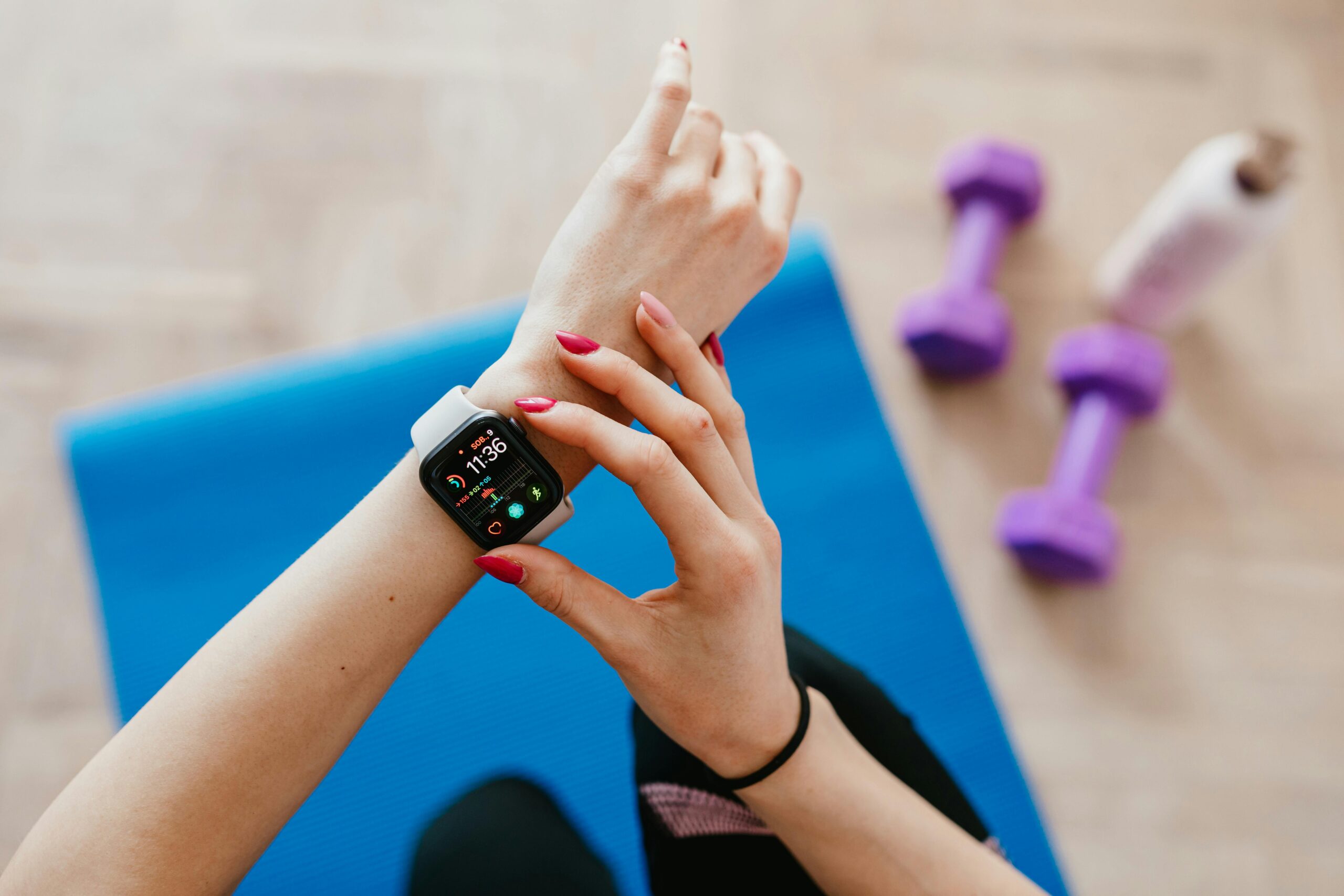
Wearable technology has transformed how we track, understand, and improve our daily health, offering unprecedented insights into our bodies’ signals and patterns.

🚀 The Evolution of Personal Health Monitoring
The journey from simple pedometers to sophisticated health ecosystems represents one of the most significant shifts in preventive healthcare. What began as basic step counters has evolved into comprehensive wellness platforms capable of monitoring everything from heart rate variability to blood oxygen saturation. These devices have democratized health data, placing powerful diagnostic tools directly on our wrists, fingers, and bodies.
Modern wearable technology encompasses smartwatches, fitness trackers, smart rings, continuous glucose monitors, and even smart clothing embedded with biometric sensors. The global wearable technology market has experienced exponential growth, with millions of users worldwide relying on these devices to make informed decisions about their health and fitness routines.
The integration of artificial intelligence and machine learning has elevated these devices beyond simple data collection. Today’s wearables can detect patterns, predict potential health issues, and provide personalized recommendations based on individual baseline measurements and historical trends.
📊 Understanding the Metrics That Matter
Wearable devices track an impressive array of health metrics, each providing valuable insights into different aspects of physical wellness. Understanding these measurements helps users maximize the benefits of their technology investments.
Heart Rate and Cardiovascular Health
Continuous heart rate monitoring has become the cornerstone of wearable technology. These devices measure resting heart rate, active heart rate during exercise, and heart rate recovery—all critical indicators of cardiovascular fitness. Advanced models now include heart rate variability (HRV) tracking, which measures the variation in time between heartbeats and serves as an indicator of stress levels, recovery status, and overall autonomic nervous system function.
Optical sensors on the underside of wearables use photoplethysmography (PPG) technology, shining LED lights through the skin to detect blood volume changes. This non-invasive method provides accurate readings during various activities, from rest to intense exercise.
Sleep Quality and Recovery
Sleep tracking capabilities have revolutionized how we understand rest and recovery. Modern wearables distinguish between different sleep stages—light sleep, deep sleep, and REM sleep—providing comprehensive analysis of sleep architecture. This data helps users identify patterns affecting sleep quality, such as late caffeine consumption, irregular bedtimes, or environmental factors.
Sleep scores aggregate multiple factors including duration, consistency, time spent in each stage, and disturbances throughout the night. Many devices also track respiratory rate during sleep, which can indicate potential health concerns or the impact of lifestyle factors on rest quality.
Activity and Movement Patterns
Beyond basic step counting, contemporary wearables recognize specific activities and exercises automatically. Whether swimming, cycling, running, or practicing yoga, these devices adjust their tracking algorithms to provide accurate metrics for each activity type. Active minutes, calorie expenditure, distance traveled, and elevation gained paint a complete picture of daily movement.
Sedentary behavior alerts encourage users to break up prolonged sitting periods, addressing one of modern life’s most significant health risks. These gentle reminders promote micro-movements throughout the day, contributing to overall wellness beyond structured exercise sessions.
💪 Fitness Optimization Through Data-Driven Insights
The real power of wearable technology emerges when data transforms into actionable insights that drive meaningful behavior change and performance improvements.
Personalized Training Zones
Wearables establish individualized heart rate zones based on maximum heart rate and fitness level, enabling users to train with precision. Whether the goal is fat burning, aerobic conditioning, or anaerobic capacity building, staying within targeted zones ensures workouts deliver intended results. This scientific approach to exercise replaces guesswork with data-backed training strategies.
Training load and recovery metrics help prevent overtraining syndrome by balancing workout intensity with adequate rest. These features calculate physiological stress from exercise and recommend optimal recovery periods, reducing injury risk while maximizing performance gains.
Goal Setting and Achievement Tracking
Smart goal-setting features adapt targets based on progress and performance trends. Instead of static daily step goals, adaptive systems increase targets gradually as fitness improves, maintaining appropriate challenge levels that promote continued growth without overwhelming users.
Achievement badges, streaks, and milestone celebrations leverage gamification principles to boost motivation. These psychological triggers tap into reward centers in the brain, making healthy behaviors more engaging and sustainable over time.
🩺 Medical-Grade Monitoring Capabilities
The line between consumer wearables and medical devices continues to blur as technology advances and regulatory approvals expand the capabilities of mainstream devices.
ECG and Atrial Fibrillation Detection
Several wearable devices now feature FDA-cleared electrocardiogram (ECG) functionality, enabling users to generate medical-grade heart rhythm recordings in just 30 seconds. This technology can detect atrial fibrillation (AFib), a common but serious heart condition that increases stroke risk. Early detection through wearables has literally saved lives by prompting users to seek medical attention before serious complications develop.
Irregular heart rhythm notifications continuously monitor heartbeats in the background, alerting users to potential arrhythmias even when not actively taking ECG readings. This passive monitoring provides an extra layer of cardiovascular surveillance between doctor visits.
Blood Oxygen Saturation (SpO2)
Pulse oximetry sensors measure blood oxygen saturation levels, indicating how effectively oxygen is being transported throughout the body. This metric gained prominence during the COVID-19 pandemic as a potential early warning sign for respiratory complications. Beyond pandemic monitoring, SpO2 tracking helps assess altitude acclimatization, sleep apnea indicators, and overall respiratory function.
Overnight SpO2 monitoring can reveal breathing disturbances during sleep, potentially identifying undiagnosed sleep apnea cases. While not replacing professional sleep studies, these trends can prompt conversations with healthcare providers about sleep-related breathing disorders.
Blood Pressure and Glucose Monitoring
Emerging wearable technologies are incorporating blood pressure monitoring without traditional cuffs, using optical sensors and advanced algorithms to estimate readings. Though still evolving in accuracy, these features promise convenient hypertension management and cardiovascular risk assessment.
Continuous glucose monitors (CGMs) have transformed diabetes management, and integration with smartwatches and fitness trackers provides seamless glucose data alongside other health metrics. Even non-diabetic users are beginning to adopt CGM technology to understand how different foods affect their blood sugar responses, optimizing nutrition for sustained energy and metabolic health.
🧠 Mental Wellness and Stress Management
Physical health represents only part of the wellness equation. Modern wearables increasingly address mental and emotional wellbeing through stress tracking and mindfulness features.
Stress Level Detection
By analyzing heart rate variability patterns, wearables can estimate stress levels throughout the day. These measurements distinguish between eustress (positive, motivating stress) and distress (negative, harmful stress), helping users identify chronic stress patterns that may require intervention.
Real-time stress alerts prompt users to engage in stress-reduction techniques precisely when needed. This immediate feedback loop enables proactive stress management rather than retrospective analysis of stressful periods.
Guided Breathing and Meditation
Integrated breathing exercises and meditation sessions provide accessible stress management tools directly through wearable devices. Guided breathing routines synchronize visual and haptic feedback with optimal breathing patterns, activating the parasympathetic nervous system to promote relaxation.
Mindfulness reminders throughout the day encourage brief mental resets, combating the cumulative effects of chronic stress. These micro-practices, supported by wearable technology, make stress management more accessible for people with busy schedules.
🔬 The Science Behind Accuracy and Reliability
Understanding the limitations and capabilities of wearable sensors helps users interpret data appropriately and set realistic expectations.
Sensor Technology and Precision
Optical heart rate sensors perform remarkably well during steady-state activities but may show reduced accuracy during high-intensity interval training or activities involving significant wrist movement. Factors like skin tone, tattoos, ambient temperature, and device placement all influence sensor performance.
Manufacturers continuously refine algorithms and add multiple sensor arrays to improve accuracy. Combining accelerometer, gyroscope, and optical sensor data through sensor fusion techniques produces more reliable results than any single sensor alone.
Calibration and Personalization
Initial setup periods allow devices to establish personal baselines for various metrics. The more data collected over time, the more accurate predictions and insights become. Users should expect improving accuracy as devices learn individual patterns and characteristics.
Manual calibration options for specific activities, like treadmill running or cycling, enhance accuracy by accounting for individual biomechanics and movement patterns that may differ from general population averages.
🌐 Connectivity and Health Ecosystem Integration
Wearable devices don’t exist in isolation—their true value emerges through integration with broader health management systems.
Smartphone Apps and Data Visualization
Companion smartphone applications transform raw sensor data into meaningful visualizations and trends. Weekly and monthly summaries reveal patterns invisible in daily data, helping users understand long-term progress and identify areas for improvement.
Cloud synchronization ensures data persistence across devices and enables sharing with healthcare providers, trainers, or family members when appropriate. This connectivity facilitates collaborative health management and informed medical consultations.
Third-Party Integration and Health Records
Open APIs and health platform integrations allow wearable data to flow into electronic health records and specialized health applications. Apple Health, Google Fit, and similar platforms aggregate information from multiple sources, creating comprehensive health profiles that enhance medical care coordination.
Integration with nutrition tracking, mental health apps, and telemedicine platforms creates holistic wellness ecosystems where physical activity, nutrition, sleep, and mental health data inform each other for more effective interventions.
⚡ Maximizing Your Wearable Technology Investment
Owning a wearable device is just the beginning—strategic usage maximizes health benefits and justifies the investment.
Establishing Healthy Habits Through Consistency
Wear your device consistently, including during sleep, to capture complete data sets that reveal meaningful patterns. Sporadic usage generates fragmented data that limits insight quality and prediction accuracy.
Review your data regularly but avoid obsessive monitoring that creates anxiety. Weekly check-ins provide sufficient frequency for trend identification without promoting unhealthy fixation on minor daily fluctuations.
Setting Meaningful Goals
Focus on process goals (exercising four times weekly) rather than exclusively outcome goals (losing 20 pounds). Wearables excel at tracking behaviors and habits, making them ideal tools for process-oriented goal achievement.
Celebrate non-scale victories like improved resting heart rate, increased sleep efficiency, or higher HRV scores. These metrics often improve before visible physical changes occur, providing motivation during plateaus.
Privacy and Data Security Considerations
Review privacy policies and understand how manufacturers store, use, and share your health data. Adjust sharing settings to align with your comfort level regarding data usage for research or product improvement.
Use strong passwords, enable two-factor authentication, and keep firmware updated to protect sensitive health information from unauthorized access. Your wearable device contains intimate details about your daily life that deserve appropriate security measures.
🎯 Future Horizons in Wearable Health Technology
The trajectory of wearable technology points toward increasingly sophisticated, non-invasive health monitoring capabilities that blur the lines between consumer devices and medical equipment.
Emerging technologies promise cuffless blood pressure monitoring, non-invasive glucose tracking through optical sensors, hydration level monitoring, and even early disease detection through subtle pattern recognition in baseline metrics. Artificial intelligence will enable predictive health insights, alerting users to potential issues days or weeks before symptoms manifest.
Miniaturization trends suggest future wearables will become less obtrusive—perhaps embedded in jewelry, clothing, or even temporary skin patches—while expanding functionality. The ultimate vision involves ambient health monitoring that occurs seamlessly without requiring conscious thought or behavior modification.
Integration with augmented reality and virtual reality platforms may create immersive fitness experiences guided by real-time biometric feedback, making exercise more engaging while ensuring safety through continuous physiological monitoring.
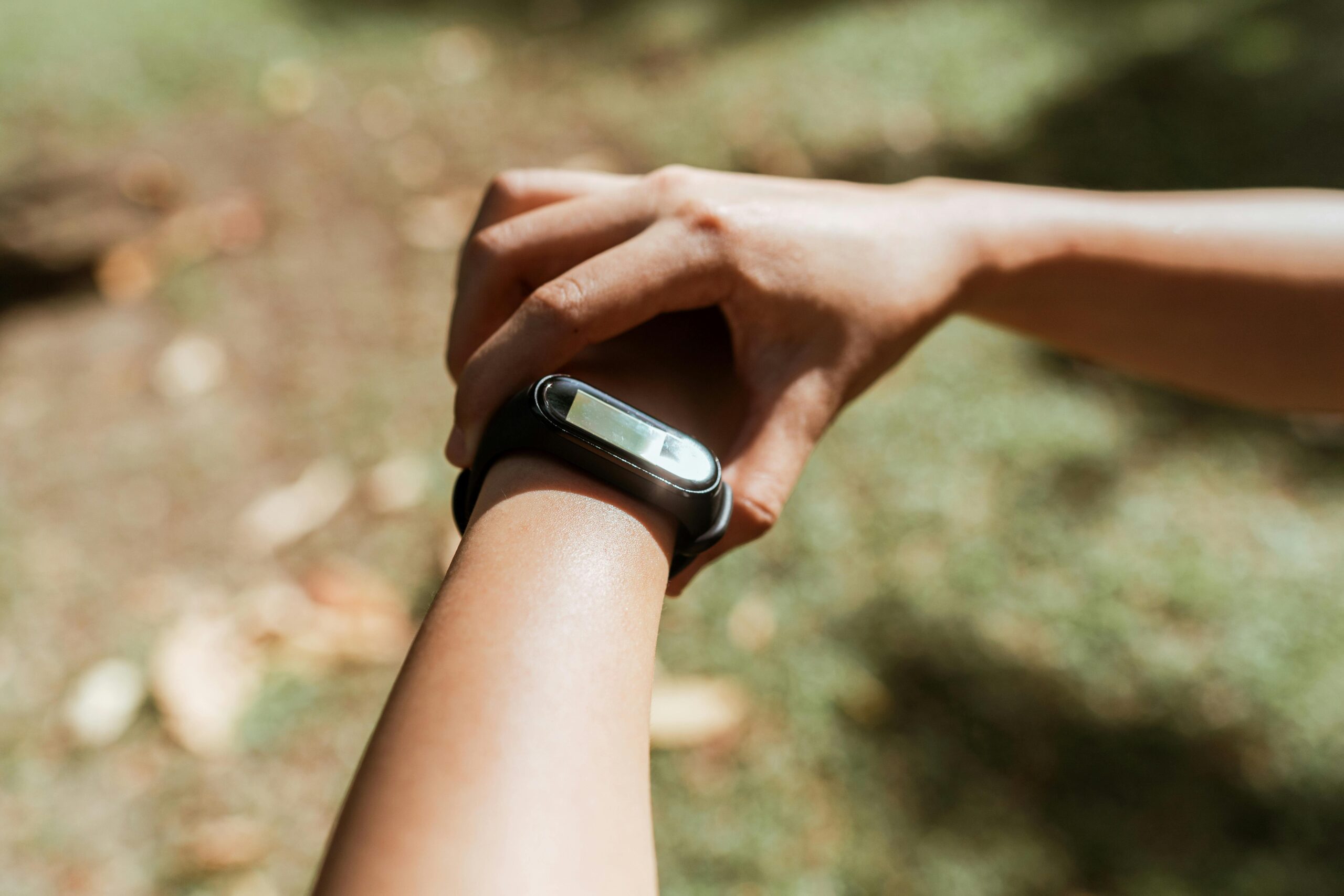
🌟 Transforming Health Through Technology Empowerment
Wearable technology represents more than gadgets and data—it embodies a fundamental shift in healthcare philosophy from reactive treatment to proactive prevention. By placing powerful monitoring tools directly on our bodies, these devices democratize health insights previously accessible only through clinical settings.
The most successful wearable technology users view their devices as partners in health journey rather than authorities dictating behavior. Data informs decisions but doesn’t replace intuition, professional medical advice, or the simple joy of movement for its own sake.
As accuracy improves, features expand, and integration deepens, wearable technology will increasingly serve as the foundation of personalized preventive healthcare. The question isn’t whether to adopt wearable technology but how to integrate it thoughtfully into comprehensive wellness strategies that honor both data-driven insights and human experience.
Your health journey is uniquely yours, but wearable technology can illuminate the path forward with unprecedented clarity. By understanding these devices’ capabilities and limitations, setting meaningful goals, and maintaining consistent usage, you transform simple gadgets into powerful allies in the quest for optimal wellness. The future of health is personal, preventive, and increasingly wearable.