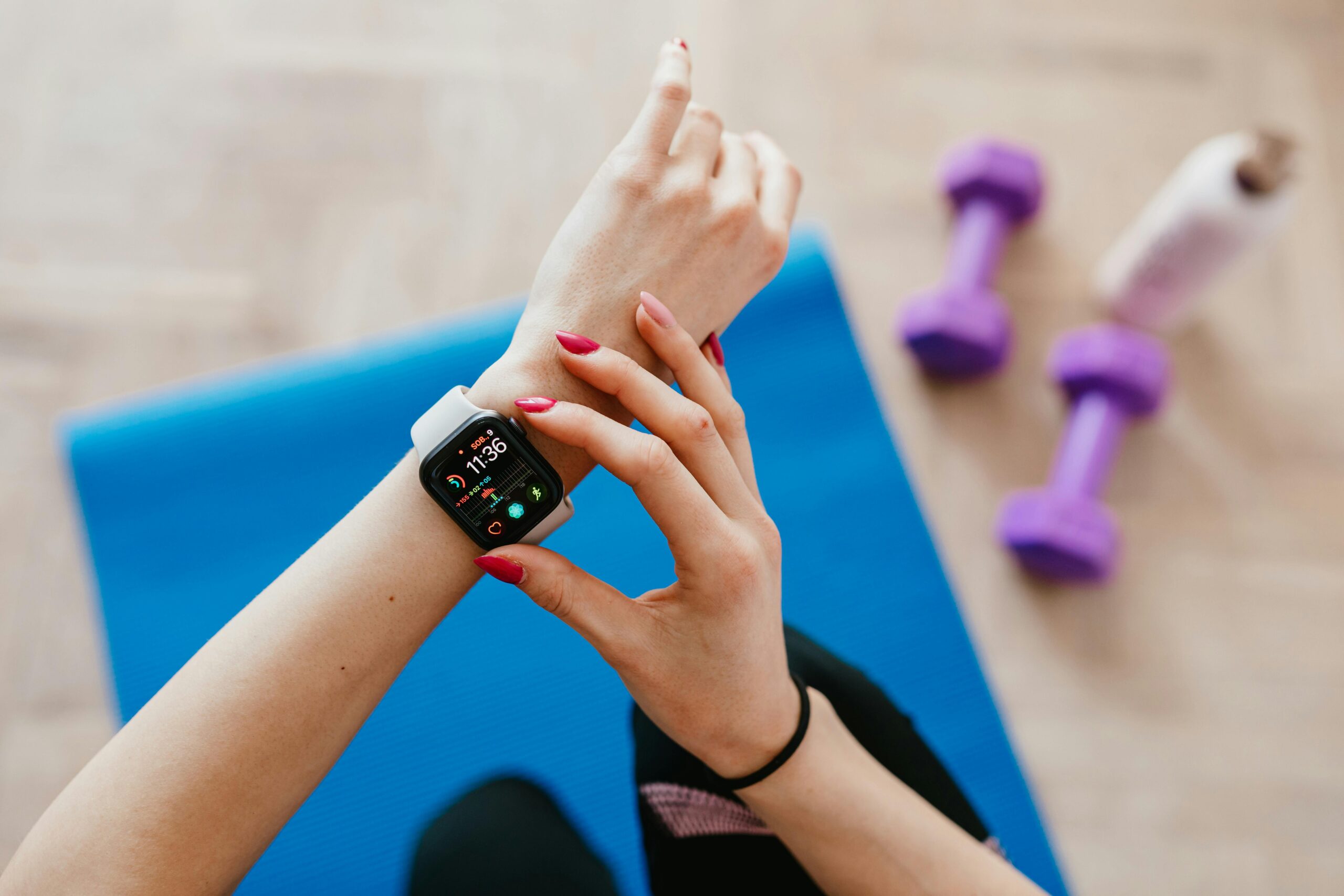
Personalized health programs are transforming how we approach wellness, fitness, and long-term vitality by tailoring strategies to individual needs, goals, and biological uniqueness.

In an era where one-size-fits-all solutions are rapidly becoming obsolete, the shift toward personalized health represents a revolutionary approach to well-being. Each person’s body responds differently to nutrition, exercise, stress, and lifestyle factors, making customized health strategies not just beneficial but essential for optimal results. Understanding the fundamental building blocks of personalized health programs empowers you to take control of your wellness journey with precision and purpose.
The science behind personalization reveals that our genetic makeup, metabolic rate, hormonal balance, and even gut microbiome composition create a unique biological fingerprint. This complexity means that what works exceptionally well for one person might yield minimal results for another. By embracing personalized health programs, you’re acknowledging this biological diversity and choosing a smarter, more effective path toward your health goals.
🧬 Understanding Your Biological Blueprint
Your genetic code holds valuable information about how your body processes nutrients, responds to exercise, and manages stress. Genetic testing has become increasingly accessible, offering insights into predispositions for certain health conditions, optimal macronutrient ratios, and even the best types of physical activity for your body type.
DNA analysis can reveal variations in genes responsible for metabolism, inflammation response, and nutrient absorption. For instance, some individuals have genetic variants that affect how they metabolize caffeine, while others may have genes that influence their vitamin D absorption or omega-3 fatty acid conversion. This information becomes the foundation upon which effective personalized health programs are built.
Beyond genetics, epigenetics—how your lifestyle and environment influence gene expression—plays a crucial role in your health outcomes. Your daily choices regarding diet, sleep, stress management, and physical activity can actually turn certain genes on or off, demonstrating that you have more control over your health destiny than previously thought.
📊 Comprehensive Health Assessment: Your Starting Point
Before embarking on any personalized health journey, a thorough baseline assessment is essential. This evaluation typically includes biomarker testing through blood work, body composition analysis, cardiovascular fitness testing, and metabolic rate measurements. These objective data points provide a clear picture of your current health status and identify areas requiring attention.
Advanced assessments may include hormone panels, micronutrient testing, food sensitivity screenings, and gut microbiome analysis. Each of these tests contributes valuable information that shapes your personalized program. For example, discovering a vitamin D deficiency or thyroid imbalance can explain persistent fatigue or weight management struggles that generic programs fail to address.
Regular reassessment is equally important, as your body’s needs change over time. Tracking progress through periodic testing allows for program adjustments that keep you moving toward your goals efficiently. This data-driven approach removes guesswork and provides motivation through measurable improvements.
🍽️ Nutritional Personalization: Beyond Calorie Counting
Personalized nutrition goes far beyond simple calorie restriction or following trending diets. It considers your metabolic type, food sensitivities, genetic predispositions, lifestyle demands, and personal preferences to create a sustainable eating pattern that nourishes your unique body.
Metabolic typing identifies whether you’re a protein type, carbohydrate type, or mixed type, influencing the ideal macronutrient distribution for your meals. Someone with a faster metabolism might thrive on higher carbohydrate intake, while another person may achieve better energy and body composition with higher fat and protein ratios.
Food sensitivity testing can uncover hidden intolerances that cause inflammation, digestive issues, skin problems, or brain fog. Eliminating these trigger foods often produces dramatic improvements in overall well-being that generic nutrition plans miss entirely. Additionally, considering your circadian rhythm and meal timing can optimize nutrient absorption and metabolic function.
Micronutrient Optimization
Personalized nutrition programs pay special attention to micronutrient sufficiency, recognizing that deficiencies in vitamins and minerals can sabotage health goals. Testing reveals specific deficiencies that supplementation and dietary adjustments can address. Rather than taking a generic multivitamin, you receive targeted supplementation based on your actual needs.
This precision approach prevents both deficiency and excess, as some nutrients can be harmful in high doses. Your personalized program ensures you’re getting the right nutrients in the right amounts at the right times for optimal cellular function and energy production.
💪 Exercise Programming Tailored to Your Body
Exercise is a powerful health tool, but the type, intensity, frequency, and duration that work best vary significantly between individuals. Personalized fitness programs consider your current fitness level, injury history, genetic strengths and weaknesses, goals, and lifestyle constraints to design optimal workout strategies.
Some people are genetically predisposed to excel at endurance activities, while others have a greater capacity for strength and power development. Understanding your muscle fiber composition and recovery capacity allows for programming that maximizes results while minimizing injury risk and burnout.
Personalized exercise programs also account for your stress levels and recovery capacity. During high-stress periods, intense training may be counterproductive, whereas restorative movement practices might serve you better. This flexibility and responsiveness distinguish personalized programs from rigid, generic workout plans.
Recovery and Adaptation
Personalized programs recognize that adaptation happens during recovery, not during the workout itself. Your program should include strategies for optimizing sleep, managing stress, and facilitating tissue repair through nutrition, hydration, and appropriate rest periods between training sessions.
Monitoring tools like heart rate variability can provide daily feedback about your recovery status, informing whether to push hard, maintain, or dial back intensity. This responsive approach prevents overtraining while ensuring consistent progress toward your fitness objectives.
😴 Sleep Optimization: The Foundation of Health
Sleep quality and quantity profoundly impact every aspect of health, from immune function and hormone balance to cognitive performance and emotional regulation. Personalized health programs assess your sleep patterns, identify disruptions, and implement targeted strategies for improvement.
Your chronotype—whether you’re naturally a morning person or night owl—influences the optimal timing of sleep, meals, and exercise. Working with your natural circadian rhythm rather than against it enhances sleep quality and overall program effectiveness.
Personalized sleep strategies might include specific supplements like magnesium or glycine based on deficiency testing, environmental modifications such as temperature and light control, and behavioral interventions tailored to your lifestyle and preferences. Addressing sleep apnea, restless leg syndrome, or other sleep disorders becomes an integral part of your comprehensive health program.
🧘 Stress Management and Mental Wellness
Chronic stress undermines health goals by disrupting hormones, impairing recovery, promoting inflammation, and driving poor food choices. Personalized health programs include stress management strategies matched to your personality, preferences, and stress triggers.
Some individuals respond well to vigorous exercise for stress relief, while others benefit more from gentle yoga, meditation, or breathwork practices. Your program might incorporate cognitive behavioral techniques, time management strategies, or boundary-setting skills depending on your primary stressors.
Mental health support is increasingly recognized as inseparable from physical health. Personalized programs may include mindfulness training, therapy referrals, or community connection strategies that support emotional well-being alongside physical optimization.
🔬 Leveraging Technology for Personalization
Modern technology has made personalized health programs more accessible and effective than ever. Wearable devices track activity levels, heart rate, sleep patterns, and even blood glucose in real-time, providing continuous feedback that informs program adjustments.
Health apps can log nutrition, monitor symptoms, track workouts, and provide educational content tailored to your specific health journey. Artificial intelligence algorithms analyze your data to identify patterns and make recommendations that continually refine your program for better results.
Telemedicine platforms connect you with health professionals who can review your data, answer questions, and adjust protocols without requiring in-person visits. This accessibility removes barriers and enables more frequent check-ins that keep your program on track.
🎯 Goal Setting and Progress Tracking
Effective personalized health programs begin with clear, specific, measurable goals that reflect your values and priorities. Whether you’re focused on fat loss, muscle gain, disease prevention, athletic performance, or simply feeling better daily, your goals shape every aspect of your program design.
Breaking large goals into smaller milestones creates a roadmap with regular success experiences that maintain motivation. Tracking progress through objective measures—body composition changes, performance improvements, biomarker optimization, or symptom reduction—provides tangible evidence of your efforts paying off.
Your personalized program includes both outcome goals (the end result you desire) and process goals (the daily habits and behaviors that lead to outcomes). Focusing on process goals gives you control over factors you can directly influence while trusting that outcomes will follow with consistency.
Adapting to Life’s Changes
Life circumstances inevitably change—new jobs, relationships, relocations, injuries, or illnesses—and your health program must adapt accordingly. The beauty of personalized programs lies in their flexibility to modify while maintaining progress toward your core objectives.
Regular program reviews identify what’s working well and what needs adjustment. This iterative process ensures your program evolves with you rather than becoming a rigid set of rules that eventually fail when life gets complicated.
🌟 The Role of Professional Guidance
While technology and self-education empower individuals, professional guidance maximizes the effectiveness of personalized health programs. Health coaches, nutritionists, personal trainers, and functional medicine practitioners bring expertise in interpreting data, designing interventions, and troubleshooting obstacles.
Professionals help you avoid common pitfalls, accelerate progress, and maintain accountability. They provide education that helps you understand the “why” behind recommendations, fostering autonomy and confidence in managing your health long-term.
A collaborative relationship with qualified professionals creates a support system that enhances adherence and results. They celebrate your wins, help you navigate setbacks, and continuously optimize your program based on both evidence and your lived experience.
💡 Building Sustainable Habits for Lasting Results
The ultimate goal of personalized health programs isn’t temporary improvement but lasting transformation through sustainable habit change. Programs designed around your preferences, schedule, and values have much higher adherence rates than those requiring constant willpower and sacrifice.
Small, incremental changes compound over time into dramatic results. Rather than attempting complete lifestyle overhauls that quickly fail, personalized programs introduce changes gradually, allowing each new habit to become automatic before adding the next.
Environmental design—structuring your physical and social environment to support healthy choices—makes success easier. Personalized programs identify environmental barriers and create strategies to overcome them, whether that means meal prep systems, workout accountability partners, or removing temptations from your home.
🔄 The Integration Advantage
The true power of personalized health programs emerges from integration—how nutrition, exercise, sleep, stress management, and other components work synergistically rather than in isolation. Each element influences the others, creating either virtuous cycles of improvement or vicious cycles of decline.
For example, better sleep improves workout performance and recovery, which reduces stress and improves mood, which supports better food choices and sleep quality. Personalized programs intentionally leverage these interconnections for accelerated results that address root causes rather than merely managing symptoms.
This holistic perspective recognizes you as a complete person rather than a collection of isolated problems. Your personalized program considers how all aspects of your life interact with your health, creating coherent strategies that fit into your real world rather than requiring you to live in a fantasy bubble of perfect conditions.

🚀 Taking the First Step Toward Your Personalized Health Journey
Beginning your personalized health journey starts with curiosity and commitment—curiosity about what your body needs and commitment to discovering and implementing those insights. You don’t need perfect information or ideal circumstances to start; you need willingness to begin where you are with what you know.
Start by gathering baseline data through whatever testing is accessible to you, even if that’s simply tracking your current habits, energy levels, and symptoms. Notice patterns in how different foods, activities, and sleep affect how you feel and function. This self-experimentation provides valuable personalization even without sophisticated testing.
Consider investing in professional assessment and guidance when possible, as the insights gained often save time, money, and frustration compared to trial-and-error approaches. However, remember that personalized health is a journey of continuous learning and refinement, not a destination with a finish line.
Your potential for health, vitality, and performance is far greater than generic programs suggest. By embracing the building blocks of personalized health—biological assessment, tailored nutrition, customized exercise, optimized recovery, stress management, and sustainable habit formation—you unlock capabilities you may not have known you possessed. The investment in understanding and honoring your unique biology pays dividends across every dimension of life, from physical energy and mental clarity to emotional resilience and longevity. Your personalized health program isn’t just about living longer; it’s about living better, with the vibrancy and capability to pursue what matters most to you.