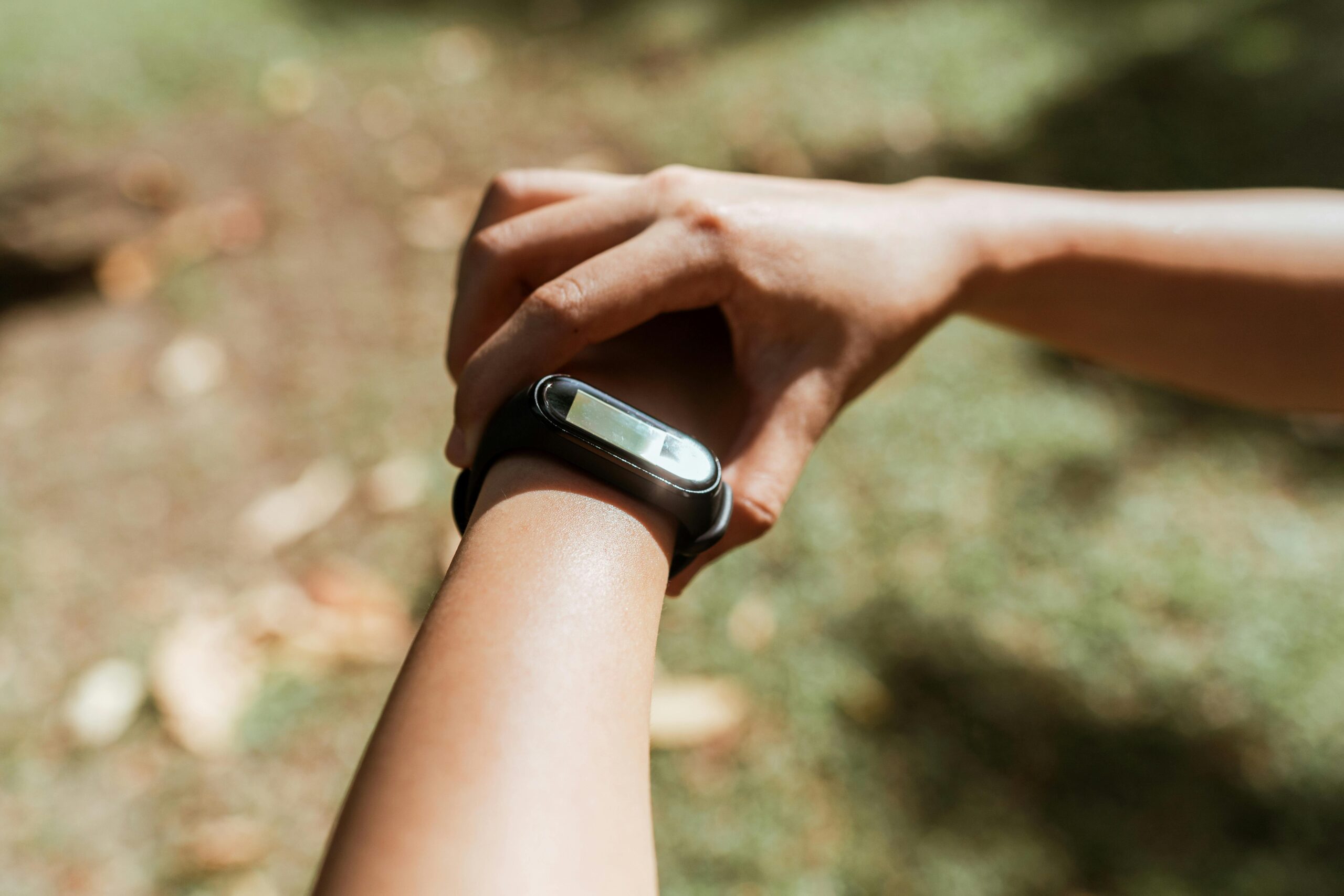
The healthcare landscape is transforming rapidly as real-time analytics emerge as a powerful tool for preventing diseases before they escalate into serious conditions.

Modern medicine has traditionally focused on treating illnesses after symptoms appear, but this reactive approach often means addressing problems when they’ve already caused significant damage. The integration of real-time health analytics is revolutionizing this paradigm, enabling both healthcare providers and individuals to identify potential health risks early and take preventive action. By continuously monitoring vital signs, lifestyle patterns, and biological markers, we’re entering an era where staying ahead of health risks isn’t just possible—it’s becoming the standard of care.
The convergence of wearable technology, artificial intelligence, and advanced data processing has created unprecedented opportunities for proactive health management. From smartwatches that detect irregular heartbeats to continuous glucose monitors that predict diabetic complications before they occur, real-time analytics are transforming how we understand and protect our health. This shift represents more than technological advancement; it’s a fundamental reimagining of healthcare delivery that prioritizes prevention over treatment.
🔍 Understanding Real-Time Health Analytics
Real-time health analytics refers to the immediate collection, processing, and interpretation of health data as it’s generated. Unlike traditional medical assessments that provide snapshots of health at specific moments, real-time systems continuously monitor physiological parameters and behavioral patterns. This constant stream of information creates a comprehensive picture of an individual’s health status, revealing trends and anomalies that might otherwise go unnoticed until significant problems develop.
The technology behind real-time analytics combines several sophisticated components. Sensors and wearable devices gather data on heart rate, blood pressure, oxygen saturation, sleep patterns, physical activity, and numerous other metrics. Advanced algorithms then analyze this information, comparing it against baseline values and established medical parameters. Machine learning models identify patterns that may indicate emerging health concerns, often detecting subtle changes that would escape human observation.
What makes this approach particularly powerful is its ability to contextualize health data within an individual’s unique circumstances. Rather than relying solely on population averages, real-time analytics can recognize what’s normal for a specific person and flag deviations from their personal baseline. This personalized approach significantly improves the accuracy of risk detection and reduces false alarms that plague one-size-fits-all health monitoring systems.
💓 Cardiovascular Health: Early Warning Systems in Action
Cardiovascular disease remains the leading cause of death globally, but real-time analytics are dramatically improving early detection and prevention. Smartwatches and fitness trackers equipped with electrocardiogram (ECG) capabilities can now identify atrial fibrillation, an irregular heartbeat that significantly increases stroke risk. These devices continuously monitor heart rhythm, alerting users and their physicians when concerning patterns emerge—often before symptoms become noticeable.
Beyond arrhythmia detection, real-time analytics systems track blood pressure trends, resting heart rate variability, and recovery patterns after exercise. These metrics provide early indicators of cardiovascular stress and deteriorating heart health. When combined with lifestyle data such as sleep quality, stress levels, and physical activity, the systems can predict cardiovascular events with increasing accuracy, allowing for timely interventions that can prevent heart attacks and strokes.
Several medical institutions have implemented remote cardiac monitoring programs that exemplify the potential of real-time analytics. Patients with known heart conditions wear devices that transmit data directly to cardiology teams. Sophisticated algorithms analyze this information continuously, triggering alerts when parameters fall outside safe ranges. This approach has reduced hospital readmissions and improved outcomes for heart failure patients by enabling prompt adjustments to treatment before conditions worsen.
🩺 Metabolic Disorders: Preventing Diabetes and Its Complications
The management of diabetes has been revolutionized by continuous glucose monitoring (CGM) systems that represent one of the most successful applications of real-time health analytics. These devices measure blood glucose levels every few minutes, providing users and their healthcare teams with comprehensive data on how diet, exercise, stress, and medications affect blood sugar. The immediate feedback allows for precise insulin dosing and lifestyle adjustments that maintain glucose within healthy ranges.
More importantly, real-time glucose analytics are proving invaluable for preventing type 2 diabetes in at-risk populations. By monitoring glucose responses to different foods and activities, individuals can identify patterns that contribute to insulin resistance long before they develop full diabetes. This early intervention window creates opportunities to modify behaviors and prevent disease progression through lifestyle changes rather than medication.
The predictive capabilities of CGM systems extend beyond immediate glucose management. Advanced analytics can forecast hypoglycemic events 30 to 60 minutes before they occur, allowing users to take preventive action. Similarly, the systems can predict hyperglycemia trends and recommend corrective measures. This proactive approach reduces the dangerous blood sugar fluctuations that cause both immediate complications and long-term damage to organs, nerves, and blood vessels.
🧠 Mental Health: Real-Time Monitoring of Psychological Well-being
Mental health has historically been difficult to monitor objectively, but real-time analytics are bringing unprecedented precision to psychological wellness tracking. Smartphones and wearables collect data on sleep patterns, physical activity levels, social interactions, and even voice patterns—all of which can serve as indicators of mental health status. Subtle changes in these metrics often precede noticeable symptoms of depression, anxiety, or other mental health conditions.
Several innovative applications use passive data collection to monitor mental wellness without requiring active input from users. Changes in movement patterns, screen time, communication frequency, and daily routine consistency can signal declining mental health. When algorithms detect concerning patterns, they can prompt check-ins, suggest coping strategies, or alert mental health professionals if the situation appears serious.
The real-time nature of this monitoring is particularly valuable for individuals with bipolar disorder or recurring depressive episodes. Analytics systems can recognize the early signs of mood shifts, enabling interventions during the critical window when treatment is most effective. This proactive approach helps prevent full episodes and reduces the severity and duration of mood disturbances when they do occur.
🏥 Population Health Management: From Individual to Community
While individual health monitoring represents the most visible application of real-time analytics, the technology’s potential for population health management may be even more transformative. Healthcare systems are implementing analytics platforms that aggregate data from thousands or millions of patients, identifying disease trends, outbreak patterns, and health disparities across communities.
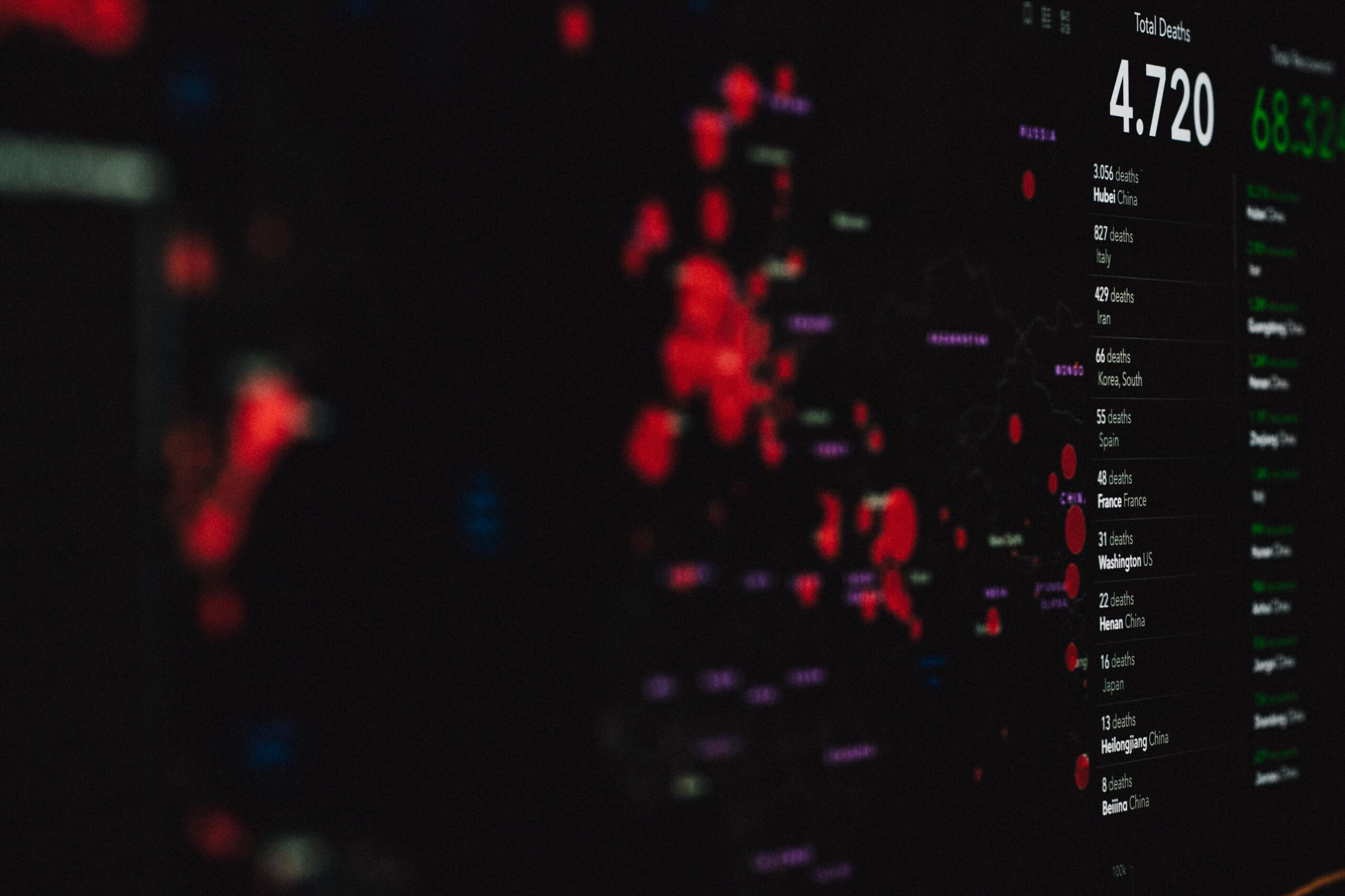
These systems can detect infectious disease outbreaks in their earliest stages by recognizing clusters of symptoms or unusual patterns in healthcare utilization. During the COVID-19 pandemic, real-time analytics proved crucial for tracking virus spread, predicting healthcare resource needs, and evaluating intervention effectiveness. The lessons learned are now being applied to surveillance systems for influenza, food-borne illnesses, and other public health threats.
Real-time population analytics also enable more effective allocation of healthcare resources. By predicting which populations are at highest risk for specific conditions, public health officials can target preventive programs where they’ll have the greatest impact. This data-driven approach ensures that limited resources reach the people who need them most, reducing health disparities and improving community-wide outcomes.
📱 The Role of Mobile Health Applications
Mobile health applications serve as the primary interface between real-time analytics and everyday users. These apps collect data from various sources—wearables, manual inputs, medical devices, and smartphone sensors—and present actionable insights in accessible formats. The best health analytics apps transform complex medical data into clear visualizations and personalized recommendations that empower users to make informed health decisions.
Comprehensive health monitoring applications integrate multiple data streams to provide holistic wellness assessments. They track physical activity, nutrition, sleep, stress, vital signs, and symptoms, using analytics to identify connections between different aspects of health. For example, an app might recognize that poor sleep quality correlates with elevated blood pressure, prompting recommendations to improve sleep hygiene as a strategy for cardiovascular health.
The interactive nature of mobile applications enhances the effectiveness of real-time analytics by creating feedback loops. Users receive immediate responses to their behaviors and health metrics, reinforcing positive choices and highlighting areas for improvement. This constant engagement helps build healthy habits and maintains motivation for preventive health practices that might otherwise seem abstract or unnecessary.
🔐 Privacy, Security, and Ethical Considerations
The collection and analysis of continuous health data raises significant privacy and security concerns that must be addressed as real-time analytics become more prevalent. Health information is highly sensitive, and breaches could have serious consequences ranging from discrimination to identity theft. Robust encryption, secure data storage, and strict access controls are essential components of any real-time health analytics system.
Regulatory frameworks are evolving to address these concerns, but challenges remain. Different jurisdictions have varying standards for health data protection, creating complexity for systems that operate across borders. Users need clear information about what data is collected, how it’s used, who has access, and how long it’s retained. Transparency and user control over personal health information are fundamental requirements for building trust in these systems.
Ethical considerations extend beyond privacy to questions of equity and access. Real-time health analytics require devices, connectivity, and often subscription services that may be unavailable to lower-income populations. This digital divide could exacerbate existing health disparities if preventive benefits accrue primarily to those already advantaged. Addressing these equity concerns through subsidized programs, community health initiatives, and inclusive design is crucial for realizing the full societal benefits of real-time health analytics.
🚀 Emerging Technologies Shaping the Future
The future of real-time health analytics will be shaped by several emerging technologies that promise to expand capabilities and improve accuracy. Artificial intelligence and machine learning algorithms are becoming increasingly sophisticated, capable of detecting subtle patterns in health data that humans cannot perceive. These systems continuously improve as they process more information, becoming better at predicting health risks and recommending interventions.
Advances in sensor technology are enabling the measurement of biological markers that were previously difficult or impossible to track outside clinical settings. Non-invasive sensors can now monitor blood chemistry, hydration levels, and even some hormones through skin contact or optical measurements. As these technologies mature, the range of health parameters amenable to real-time monitoring will expand dramatically, providing ever more comprehensive pictures of health status.
Integration with genomic data represents another frontier for real-time health analytics. By combining genetic predispositions with real-time behavioral and physiological data, systems can provide highly personalized risk assessments and prevention strategies. Someone with genetic variants that increase cardiovascular risk might receive more aggressive monitoring and earlier interventions based on real-time data, while others with lower genetic risk might have different thresholds for alerts and recommendations.
💡 Implementing Real-Time Analytics in Your Health Journey
For individuals interested in leveraging real-time analytics for preventive healthcare, the first step is identifying which health metrics are most relevant to monitor. Those with family histories of specific conditions should prioritize monitoring related to those risks. Cardiovascular disease risk might warrant focus on heart rate, blood pressure, and activity levels, while diabetes risk suggests glucose and metabolic monitoring.
Selecting appropriate devices and applications requires careful consideration of accuracy, features, privacy practices, and compatibility with existing healthcare relationships. Medical-grade devices typically offer higher accuracy than consumer wellness products, though they may cost more and require prescriptions. Many healthcare providers now integrate data from patient monitoring devices into electronic health records, enabling more informed clinical decisions and collaborative health management.
Success with real-time health analytics depends on consistent use and thoughtful interpretation of data. The systems work best when worn or used continuously, as gaps in data can obscure important patterns. However, it’s equally important to avoid becoming overly anxious about normal fluctuations in health metrics. Working with healthcare providers to establish appropriate baselines and understand which changes warrant concern helps maintain a balanced, productive approach to health monitoring.
🌟 The Healthcare Transformation Already Underway
Real-time health analytics are not a distant future possibility—they’re already transforming healthcare delivery and outcomes. Insurance companies are offering premium reductions for customers who use monitoring devices and demonstrate healthy behaviors. Employers are implementing wellness programs built around real-time tracking and analytics. Clinical trials are incorporating continuous monitoring to gather more comprehensive data and detect adverse events faster than traditional periodic assessments allow.
Healthcare providers are redesigning care models around real-time data, shifting from periodic check-ups to continuous relationships with patients. Remote patient monitoring programs allow clinicians to oversee dozens of patients simultaneously, intervening when data indicates emerging problems. This approach is particularly valuable for managing chronic conditions, where early detection of deterioration can prevent emergency situations and hospitalizations.
The economic implications are substantial. Preventive healthcare enabled by real-time analytics reduces expensive treatments for advanced diseases, lowers hospitalization rates, and improves productivity by keeping people healthier. While implementation requires upfront investment in devices, infrastructure, and training, the long-term cost savings and health improvements make a compelling case for widespread adoption.
🎯 Taking Control of Your Health Future
The democratization of health monitoring technology means that powerful preventive healthcare tools are increasingly accessible to everyone, not just the wealthy or those already diagnosed with conditions. This represents a fundamental shift in the patient-provider relationship, with individuals taking more active roles in managing their health and making informed decisions based on personal data rather than relying solely on periodic clinical assessments.
Education remains crucial for maximizing the benefits of real-time health analytics. Users need basic understanding of what different metrics mean, which changes are significant, and when to seek professional guidance. Healthcare systems must invest in patient education programs that build health literacy alongside technological capabilities, ensuring that data translates into meaningful behavior changes and appropriate medical care when needed.
The future of preventive healthcare lies in the seamless integration of real-time analytics into daily life. As sensors become less obtrusive, algorithms more intelligent, and interfaces more intuitive, health monitoring will fade into the background while continuously protecting our well-being. The goal is not to make everyone hyperaware of every bodily function, but to provide silent guardians that alert us only when attention is needed, allowing us to live confidently while staying ahead of health risks.
Real-time health analytics represent more than technological innovation—they embody a fundamental reimagining of healthcare as proactive rather than reactive, personalized rather than standardized, and continuous rather than episodic. By embracing these tools and the preventive mindset they enable, we can look forward to longer, healthier lives with fewer sudden health crises and more opportunities to address problems before they become serious. The future of healthcare is here, streaming in real-time, ready to help us stay ahead of health risks and live our healthiest lives. 🌈