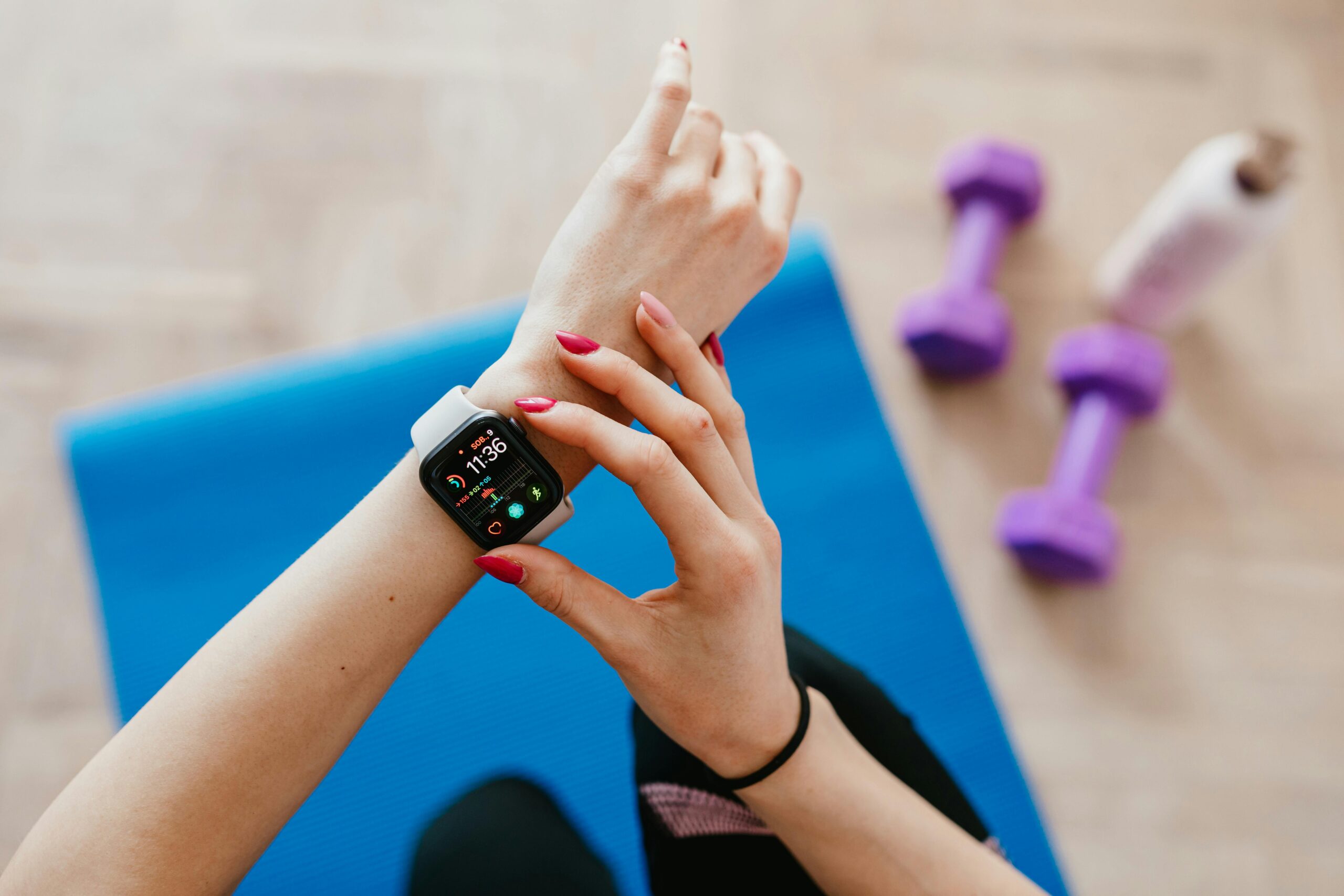
The digital revolution has transformed healthcare, placing powerful self-tracking tools directly into patients’ hands, fundamentally changing how we monitor, understand, and improve our wellbeing.

🔍 Understanding the Quantified Self Movement in Modern Healthcare
The quantified self movement represents a paradigm shift in personal health management. This approach involves systematically tracking various aspects of daily life—from physical activity and sleep patterns to nutrition and emotional states—using digital tools and wearable devices. What began as a niche practice among technology enthusiasts has evolved into a mainstream healthcare strategy that empowers millions of individuals worldwide.
Healthcare professionals increasingly recognize that engaged patients achieve better health outcomes. When individuals actively participate in monitoring their health metrics, they develop a deeper understanding of their bodies and make more informed decisions about their lifestyle choices. This self-awareness creates a powerful feedback loop that reinforces positive behaviors and identifies potential health issues before they become serious problems.
The integration of quantified self tools into healthcare systems bridges the gap between clinical visits. Rather than relying solely on periodic check-ups that provide only snapshots of health status, continuous monitoring delivers comprehensive data streams that reveal patterns, trends, and correlations that might otherwise remain invisible.
📊 The Science Behind Self-Tracking and Patient Engagement
Research consistently demonstrates that self-monitoring significantly improves health outcomes across various conditions. Studies show that patients who track their blood pressure regularly achieve better control of hypertension. Similarly, individuals monitoring their blood glucose levels demonstrate improved diabetes management compared to those who don’t engage in regular self-tracking.
The psychological mechanisms underlying these improvements are multifaceted. Self-tracking creates accountability, making individuals more conscious of their choices and behaviors. This heightened awareness naturally leads to better decision-making. When someone sees their step count displayed throughout the day, they’re more likely to take the stairs or go for an evening walk.
Furthermore, quantified data transforms abstract health goals into concrete, measurable targets. Instead of vaguely aiming to “be more active,” individuals can set specific objectives like walking 10,000 steps daily or exercising for 150 minutes weekly. This specificity makes goals more achievable and progress more tangible.
The Motivation Factor in Self-Quantification
Gamification elements embedded in many health tracking applications tap into intrinsic motivation. Earning badges, completing challenges, and visualizing progress through charts and graphs create positive reinforcement that encourages sustained engagement. These features transform health management from a chore into an engaging activity that users actively want to participate in.
Social features amplify motivation further. Sharing achievements with friends, participating in community challenges, and receiving encouragement from peers creates a supportive environment that sustains long-term commitment to health goals.
💪 Essential Categories of Quantified Self Tools
Physical Activity and Fitness Tracking
Activity trackers have become ubiquitous, with millions of people wearing devices that monitor steps, distance, calories burned, and exercise intensity. These tools provide real-time feedback that encourages movement throughout the day. Advanced features include heart rate monitoring, workout recognition, and personalized coaching that adapts to individual fitness levels.
Popular fitness tracking applications sync with wearable devices to provide comprehensive activity analysis. They help users understand not just how much they move, but the quality and intensity of that movement, enabling more effective exercise planning and execution.
Sleep Quality Monitoring
Sleep profoundly impacts overall health, yet many people underestimate its importance. Sleep tracking tools analyze sleep duration, quality, and patterns, identifying factors that disrupt rest. By tracking sleep alongside other variables like caffeine intake, exercise timing, and screen time before bed, users can identify correlations and optimize their sleep hygiene.
Advanced sleep trackers measure sleep stages, including light sleep, deep sleep, and REM cycles. This granular data helps users understand whether they’re getting restorative sleep, not just adequate hours in bed.
Nutrition and Diet Monitoring
Food logging applications revolutionize dietary awareness by making it simple to track caloric intake, macronutrient distribution, and micronutrient consumption. Many apps feature extensive food databases and barcode scanning capabilities that streamline the logging process.
Beyond simple calorie counting, sophisticated nutrition apps provide insights into eating patterns, identify nutritional deficiencies, and suggest meal improvements aligned with individual health goals. Some integrate with fitness trackers to balance energy intake with expenditure, supporting weight management objectives.
Chronic Condition Management
Specialized applications support individuals managing chronic conditions like diabetes, hypertension, asthma, and heart disease. These tools facilitate medication tracking, symptom logging, and vital sign monitoring, creating comprehensive health records that patients can share with healthcare providers.
For diabetes management specifically, apps that track blood glucose readings, carbohydrate intake, and insulin dosing help patients maintain stable blood sugar levels and reduce complications. The ability to identify patterns and predict blood sugar responses to different foods empowers better daily management.
Mental Health and Wellbeing
Mental health tracking tools help users monitor mood, stress levels, anxiety, and emotional wellbeing. These applications often incorporate mindfulness exercises, meditation guidance, and cognitive behavioral therapy techniques that support emotional regulation.
Mood tracking creates awareness of emotional patterns and their triggers. By correlating mood with other tracked variables like sleep quality, exercise, and social interactions, users gain insights into factors influencing their mental health and can make informed lifestyle adjustments.
🎯 Maximizing the Benefits of Self-Tracking Technology
Setting Meaningful Health Goals
Effective self-tracking begins with clear, specific objectives. Rather than vague aspirations, establish SMART goals—Specific, Measurable, Achievable, Relevant, and Time-bound. For example, instead of “improve fitness,” set a goal like “complete a 5K run within three months by gradually increasing weekly running distance.”
Start with one or two focus areas rather than attempting to track everything simultaneously. This focused approach prevents overwhelm and increases the likelihood of sustained engagement. Once initial habits become established, gradually expand tracking to additional health dimensions.
Establishing Consistent Tracking Routines
Consistency determines the value of self-tracking data. Sporadic logging produces incomplete information that fails to reveal meaningful patterns. Integrate tracking activities into existing daily routines to build sustainable habits. For example, weigh yourself immediately after waking, log meals as you eat, and review daily step counts before bed.
Automation reduces the effort required for consistent tracking. Choose tools that automatically sync with wearables, import data from connected devices, and require minimal manual input. The less friction involved in tracking, the more likely you’ll maintain the practice long-term.
Analyzing Data for Actionable Insights
Collecting data serves little purpose without analysis and action. Regularly review your tracked information to identify patterns, correlations, and trends. Most applications provide visualization tools that make pattern recognition intuitive through charts, graphs, and summary statistics.
Look for relationships between different health metrics. Does poor sleep correlate with decreased physical activity the following day? Do certain foods consistently cause energy crashes or digestive discomfort? These insights enable targeted interventions that address root causes rather than symptoms.
🤝 Enhancing Healthcare Provider Collaboration
Bridging the Clinical Communication Gap
Quantified self data transforms patient-provider interactions by replacing vague recollections with precise information. When patients bring detailed logs of symptoms, medications, vital signs, and lifestyle factors to appointments, clinicians can make more accurate diagnoses and treatment recommendations.
Many health tracking applications include features specifically designed for clinical communication, such as generating shareable reports or exporting data in formats compatible with electronic health records. This integration streamlines information exchange and ensures continuity of care.
Supporting Evidence-Based Treatment Adjustments
Continuous monitoring reveals how treatments affect patients in real-world conditions, beyond the controlled environment of clinical trials. If medication adjustments correlate with improved symptoms or concerning side effects, this data informs dosing modifications or alternative treatment approaches.
For conditions requiring frequent monitoring, self-tracked data reduces the need for clinic visits while maintaining oversight of disease progression. Remote patient monitoring programs increasingly incorporate patient-generated health data, enabling proactive interventions when metrics indicate deteriorating conditions.
⚠️ Navigating Challenges and Limitations
Avoiding Data Overload and Tracking Fatigue
The enthusiasm that drives initial adoption of self-tracking tools can evolve into obsessive monitoring that creates anxiety rather than empowerment. When tracking becomes burdensome or generates stress, it undermines the intended benefits. Maintain perspective by remembering that tools serve you—you don’t serve the tools.
If tracking feels overwhelming, simplify your approach. Focus on the metrics most relevant to your current health priorities and let go of less critical measurements. Consider periodic tracking rather than continuous monitoring for some variables, checking in weekly or monthly rather than daily.
Understanding Accuracy and Reliability
Consumer health tracking devices provide estimates rather than clinical-grade measurements. While generally reliable for identifying trends and patterns, individual readings may contain inaccuracies. Understand the limitations of your tools and avoid making significant health decisions based solely on consumer device data without clinical confirmation.
When accuracy matters critically, such as monitoring blood pressure for hypertension management, invest in clinically validated devices rather than relying exclusively on smartwatch estimates. Use consumer tools for day-to-day tracking and trends, but verify important findings with medical-grade equipment.
Protecting Privacy and Data Security
Health data represents highly sensitive personal information. Before adopting tracking tools, review privacy policies to understand how companies collect, store, and share your information. Choose reputable providers with strong security practices and transparent data handling policies.
Be cautious about sharing detailed health information on social media or public platforms. While community support provides motivation, maintain boundaries around what personal health details you disclose publicly.
🚀 The Future of Quantified Self in Healthcare
Emerging Technologies and Innovations
Artificial intelligence and machine learning are transforming self-tracking from passive data collection into predictive health intelligence. Advanced algorithms analyze patterns to forecast potential health issues before symptoms appear, enabling preventive interventions that maintain wellness rather than merely treating illness.
Wearable technology continues evolving, with next-generation devices monitoring increasingly sophisticated health metrics. Continuous glucose monitors that don’t require finger sticks, non-invasive blood pressure monitoring, and advanced biomarker detection represent the near future of personal health tracking.
Integration with Precision Medicine
The combination of genetic information, environmental factors, and quantified self data enables truly personalized healthcare. Rather than one-size-fits-all recommendations, treatments and lifestyle interventions can be tailored to individual genetic profiles, metabolism, and life circumstances.
This precision approach maximizes intervention effectiveness while minimizing adverse effects, optimizing health outcomes through individualization that considers each person’s unique biological and behavioral characteristics.

✨ Transforming Health Through Informed Self-Management
The quantified self movement democratizes healthcare by placing powerful monitoring and analysis tools in patients’ hands. This technology-enabled engagement transforms passive healthcare recipients into active participants who understand their bodies, make informed decisions, and collaborate effectively with healthcare providers.
Success with self-tracking requires balanced implementation that enhances rather than dominates daily life. Choose tools aligned with your specific health goals, establish sustainable tracking routines, and focus on actionable insights rather than data accumulation for its own sake.
As technology advances and healthcare systems increasingly recognize the value of patient-generated health data, the integration of quantified self practices into mainstream medicine will deepen. This evolution promises more personalized, effective, and preventive healthcare that maintains wellness rather than merely treating disease.
The journey toward better health begins with awareness. By harnessing quantified self tools thoughtfully and consistently, you empower yourself with knowledge, insights, and motivation that support lasting positive change. The data you collect today shapes the healthier tomorrow you create through informed choices and engaged self-management.
Whether you’re managing a chronic condition, pursuing fitness goals, optimizing sleep, or simply striving for better overall wellness, quantified self tools provide the feedback, motivation, and insights that transform intentions into achievements. Your health journey is uniquely yours—these tools help you navigate it with clarity, confidence, and control.