
Nature has gifted us with powerful compounds that protect our bodies from disease, slow aging, and enhance vitality—antioxidants and phytochemicals are these remarkable allies.

In our modern world filled with processed foods, environmental toxins, and chronic stress, our bodies face constant oxidative damage. This cellular wear and tear accelerates aging, weakens immunity, and increases disease risk. Yet the solution isn’t found in expensive supplements or pharmaceutical interventions—it’s growing in gardens, orchards, and farms around the world.
Understanding how antioxidants and phytochemicals work transforms how we approach nutrition. These natural compounds don’t just fill nutritional gaps; they actively defend our cells, regulate biological processes, and optimize health at the molecular level. The science behind these super compounds reveals why certain populations enjoy exceptional longevity and lower disease rates.
🔬 Understanding Antioxidants: Your Body’s Defense System
Antioxidants are molecules that neutralize free radicals—unstable atoms that damage cells through oxidation. This process resembles how iron rusts or how a cut apple turns brown when exposed to air. Inside your body, unchecked oxidation leads to cellular dysfunction, inflammation, and chronic disease.
Free radicals form naturally during metabolism, but environmental factors dramatically increase their production. Pollution, cigarette smoke, excessive sun exposure, processed foods, and psychological stress all generate oxidative stress. When free radical production overwhelms your antioxidant defenses, cellular damage accumulates.
Your body produces some antioxidants internally, including glutathione, alpha-lipoic acid, and coenzyme Q10. However, dietary antioxidants provide essential reinforcement. Vitamins C and E, beta-carotene, selenium, and countless plant compounds work synergistically to maintain oxidative balance.
The antioxidant capacity of foods is measured using various scales, with ORAC (Oxygen Radical Absorbance Capacity) being widely recognized. Foods ranking high on these scales deliver concentrated protective power. Interestingly, colorful fruits and vegetables typically score highest, which explains the “eat the rainbow” nutrition advice.
🌿 Phytochemicals: Nature’s Pharmaceutical Arsenal
Phytochemicals are bioactive compounds produced by plants as defense mechanisms against pests, diseases, and environmental stressors. When we consume these plant-based foods, we inherit their protective properties. Unlike vitamins and minerals classified as essential nutrients, phytochemicals aren’t required for basic survival—yet they’re crucial for optimal health.
Scientists have identified over 25,000 different phytochemicals, with new discoveries emerging regularly. These compounds influence gene expression, modulate inflammation, support detoxification, regulate hormones, and communicate with gut bacteria. Their effects extend far beyond simple antioxidant activity.
Phytochemicals are categorized into several major classes:
- Polyphenols: Including flavonoids, phenolic acids, and stilbenes found in berries, tea, dark chocolate, and red wine
- Carotenoids: Orange and red pigments in carrots, tomatoes, sweet potatoes, and leafy greens
- Glucosinolates: Sulfur-containing compounds in cruciferous vegetables like broccoli and cabbage
- Phytoestrogens: Plant estrogens in soybeans, flaxseeds, and legumes
- Organosulfides: Pungent compounds in garlic, onions, and leeks
Each class offers distinct health benefits, which is why dietary diversity matters tremendously. No single food provides comprehensive phytochemical protection—variety is essential.
💪 Evidence-Based Health Benefits That Transform Lives
Decades of research confirm that antioxidant-rich, phytochemical-dense diets reduce chronic disease risk significantly. Population studies consistently show that people consuming abundant plant foods enjoy lower rates of heart disease, cancer, diabetes, neurodegenerative conditions, and premature death.
Cardiovascular Protection
Flavonoids improve endothelial function, reduce blood pressure, prevent LDL cholesterol oxidation, and decrease arterial stiffness. Studies show that people consuming the highest levels of flavonoids have up to 20% lower heart disease risk. Resveratrol from grapes supports heart health through multiple mechanisms, while cocoa flavanols improve circulation measurably.
Cancer Prevention
Phytochemicals interfere with cancer development at multiple stages. Sulforaphane from broccoli activates detoxification enzymes that eliminate carcinogens. Curcumin inhibits tumor growth and metastasis through various pathways. Lycopene provides particular protection against prostate cancer. The American Institute for Cancer Research emphasizes that plant-based diets rich in phytochemicals represent our strongest dietary defense against cancer.
Brain Health and Cognitive Function
Oxidative stress and inflammation damage brain cells, contributing to cognitive decline and neurodegenerative diseases. Antioxidants cross the blood-brain barrier to protect neurons directly. Berry anthocyanins improve memory and slow cognitive aging. Green tea catechins reduce Alzheimer’s and Parkinson’s risk. Turmeric compounds show promise in preserving brain function as we age.
Blood Sugar Regulation
Certain phytochemicals improve insulin sensitivity and glucose metabolism. Cinnamon polyphenols enhance insulin function. Berberine rivals pharmaceutical medications for blood sugar control. Apple polyphenols slow carbohydrate digestion. For those managing diabetes or metabolic syndrome, strategic phytochemical intake provides meaningful benefits.
Anti-Inflammatory Effects
Chronic inflammation underlies most modern diseases. Many phytochemicals act as natural anti-inflammatory agents without the side effects of pharmaceutical options. Ginger compounds reduce inflammatory markers. Omega-3 fatty acids from plant sources modulate inflammatory pathways. Quercetin stabilizes mast cells and reduces histamine release.
🥗 Top Food Sources: Building Your Antioxidant-Rich Plate
Knowing which foods deliver the most powerful compounds helps you design meals that truly nourish. These superfoods consistently rank highest for antioxidant capacity and phytochemical density:
Berries: Nature’s Antioxidant Champions 🫐
Blueberries, blackberries, raspberries, strawberries, and acai berries contain extraordinary anthocyanin concentrations. These compounds give berries their vibrant colors while protecting your cells. Wild blueberries contain even higher antioxidant levels than cultivated varieties. Frozen berries retain their beneficial compounds well, making them accessible year-round.
Leafy Greens: Nutritional Powerhouses 🥬
Kale, spinach, collards, Swiss chard, and arugula provide carotenoids, vitamin C, vitamin E, and numerous polyphenols. Lutein and zeaxanthin protect eye health specifically. The darker the greens, the more concentrated their phytochemicals. Cooking with healthy fats enhances carotenoid absorption.
Cruciferous Vegetables: Detoxification Supporters 🥦
Broccoli, cauliflower, Brussels sprouts, and cabbage contain glucosinolates that break down into cancer-fighting compounds like sulforaphane and indole-3-carbinol. Lightly steaming these vegetables activates myrosinase, the enzyme that converts glucosinolates to their active forms. Broccoli sprouts contain particularly concentrated sulforaphane.
Colorful Vegetables: Rainbow Protection 🌈
Tomatoes provide lycopene, sweet potatoes offer beta-carotene, beets contain betalains, and bell peppers deliver various carotenoids. Each color represents different phytochemical families. Cooking tomatoes increases lycopene bioavailability, while beta-carotene absorbs best with dietary fat.
Herbs and Spices: Concentrated Medicine 🌶️
Turmeric, ginger, cinnamon, oregano, rosemary, and thyme contain remarkably concentrated antioxidants and anti-inflammatory compounds. Gram for gram, dried herbs and spices often exceed even fruits and vegetables for antioxidant capacity. Black pepper enhances curcumin absorption by 2000%.
Nuts and Seeds: Healthy Fat Sources 🌰
Walnuts, almonds, pecans, and sunflower seeds provide vitamin E, selenium, and polyphenols. Walnuts contain unique polyphenols rarely found elsewhere. Nuts and seeds also provide healthy fats that improve fat-soluble antioxidant absorption from other foods.
Beverages: Liquid Antioxidants ☕
Green tea, black tea, coffee, and cocoa deliver concentrated polyphenols. Green tea catechins, particularly EGCG, demonstrate powerful health effects. Coffee represents the primary antioxidant source in many Western diets. Pure cocoa powder rivals berries for antioxidant content.
📊 Strategic Intake: Maximizing Absorption and Benefits
Simply eating antioxidant-rich foods isn’t enough—preparation methods, food combinations, and timing influence how well your body absorbs and utilizes these compounds.
| Strategy | Why It Works | Practical Application |
|---|---|---|
| Pair with healthy fats | Carotenoids and fat-soluble antioxidants require fat for absorption | Add avocado to salads, cook tomatoes in olive oil, eat nuts with fruits |
| Gentle cooking methods | Excessive heat destroys some antioxidants while enhancing others | Steam vegetables lightly, roast at moderate temperatures |
| Combine complementary foods | Certain compounds enhance each other’s effects | Mix turmeric with black pepper, pair green tea with lemon juice |
| Eat variety daily | Different phytochemicals work through different mechanisms | Include multiple colors at each meal, rotate foods weekly |
Bioavailability varies significantly among compounds. Quercetin from onions absorbs better than quercetin from apples. Lycopene becomes more bioavailable when tomatoes are cooked and consumed with oil. Fermentation increases the availability of certain polyphenols.
Your gut microbiome plays a crucial role in phytochemical metabolism. Beneficial bacteria convert certain compounds into more bioactive forms. This represents another reason to consume fermented foods and prebiotics that nourish healthy gut bacteria.
⚠️ Common Misconceptions About Antioxidant Supplements
The supplement industry has capitalized on antioxidant research, but taking isolated compounds in pill form differs dramatically from eating whole foods. Large clinical trials testing high-dose antioxidant supplements have disappointed researchers, with some showing increased health risks.
The ATBC study found that beta-carotene supplements increased lung cancer risk in smokers. The SELECT trial showed selenium and vitamin E supplements didn’t prevent prostate cancer as hoped. These failures highlight critical differences between food-based and supplemental antioxidants.
Whole foods provide antioxidants in balanced ratios with complementary compounds, fiber, and nutrients that work synergistically. Isolated supplements deliver unnaturally high doses of single compounds, potentially creating imbalances. Your body recognizes and processes food differently than synthetic supplements.
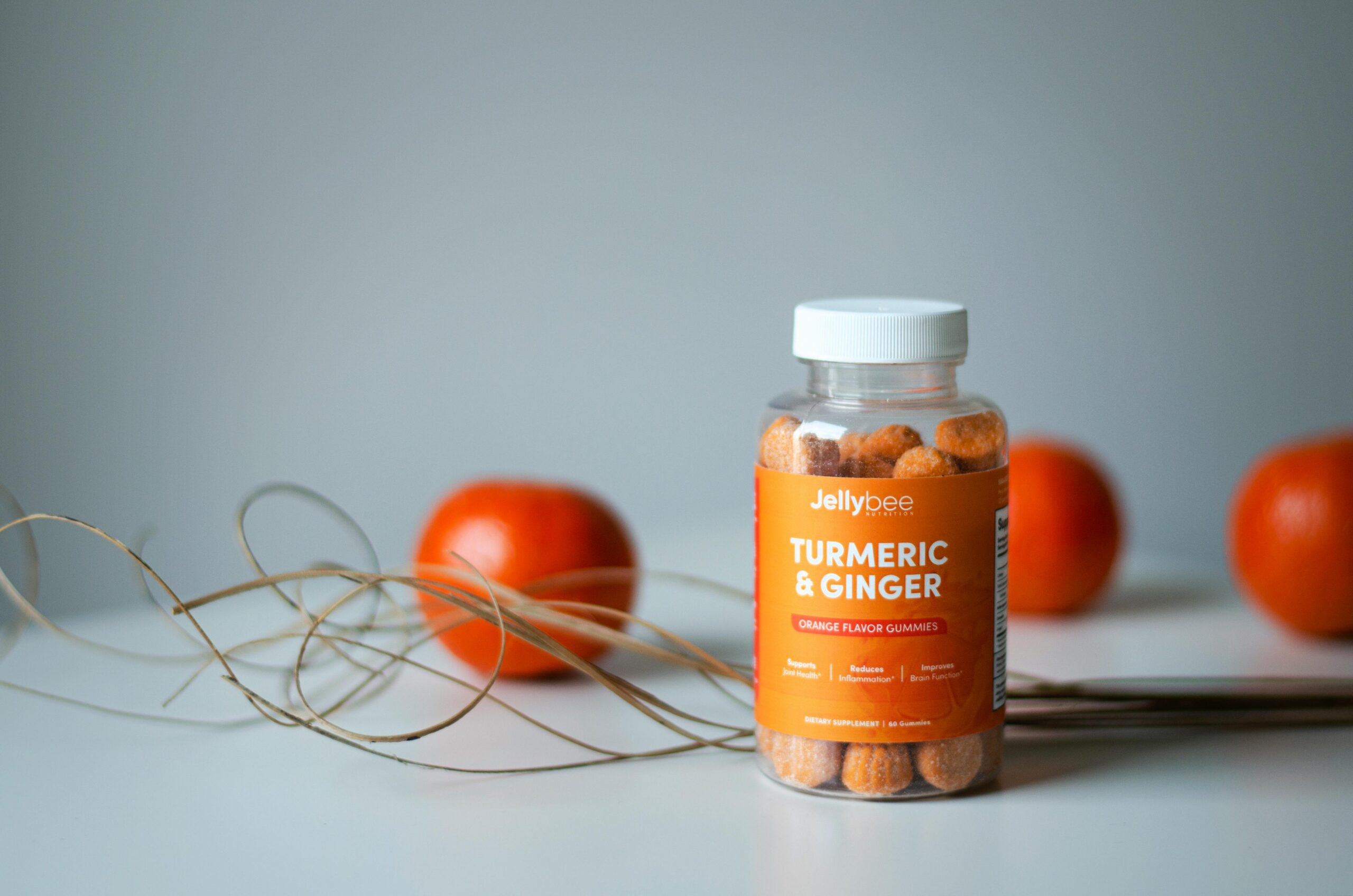
This doesn’t mean supplements lack value entirely—specific situations warrant targeted supplementation under professional guidance. However, the foundation of antioxidant and phytochemical intake should always be whole, minimally processed plant foods.
🍽️ Practical Implementation: Your Action Plan
Knowledge without action produces no results. Transform your understanding into daily habits that boost your antioxidant and phytochemical intake consistently.
Morning Rituals
Start each day with green tea or matcha, which provides concentrated catechins on an empty stomach for optimal absorption. Add berries to breakfast—whether in smoothies, oatmeal, or yogurt. Include ground flaxseeds or chia seeds for lignans and omega-3s.
Lunch and Dinner Strategies
Make vegetables the foundation of meals rather than afterthoughts. Fill half your plate with colorful vegetables prepared with healthy fats. Add fresh herbs generously—they’re not just garnishes but potent medicine. Include a small handful of nuts or seeds for crunch and nutrition.
Snacking Smart
Replace processed snacks with whole food options. Raw vegetables with hummus, fresh fruit, mixed nuts, or dark chocolate (70%+ cacao) provide satisfying snacks with substantial phytochemicals. Keep pre-washed berries and cut vegetables visible and accessible in your refrigerator.
Cooking Techniques
Master preparation methods that preserve or enhance phytochemicals. Sauté vegetables quickly over medium heat with olive oil. Roast root vegetables to concentrate flavors. Make homemade vegetable soups where nutrients remain in the broth. Experiment with herbs and spices to create flavor complexity without excess salt.
Shopping Guidelines
Shop the perimeter of grocery stores where whole foods reside. Visit farmers markets for seasonal produce at peak ripeness and phytochemical content. Choose organic for the “Dirty Dozen” produce items most contaminated with pesticides. Buy frozen vegetables and berries as convenient, nutritious alternatives to fresh.
🌟 Beyond Diet: Lifestyle Factors That Support Antioxidant Function
While food provides antioxidants and phytochemicals, lifestyle choices determine how effectively your body uses them. Stress, sleep, exercise, and environmental exposures all influence oxidative balance.
Chronic stress depletes antioxidant reserves and increases oxidative damage. Stress management practices like meditation, deep breathing, and time in nature support antioxidant function. Adequate sleep allows cellular repair processes that depend on antioxidant systems.
Regular exercise creates temporary oxidative stress that triggers adaptive responses, enhancing your natural antioxidant defenses. However, excessive training without adequate recovery and nutrition can overwhelm these systems. Balance intensity with rest and nutrient-dense foods.
Minimize unnecessary toxin exposure by choosing natural cleaning products, filtering drinking water, avoiding unnecessary plastics, and selecting personal care products with simple, recognizable ingredients. Reducing oxidative burden allows antioxidants to focus on normal metabolic processes rather than damage control.
🔮 Emerging Research: The Future of Phytochemical Science
Scientific understanding of phytochemicals continues expanding rapidly. Researchers are discovering that these compounds influence gene expression through epigenetic mechanisms, essentially turning health-promoting genes on and disease-related genes off.
The interaction between phytochemicals and gut microbiome represents a frontier of nutrition science. We’re learning that bacterial metabolism transforms dietary compounds into bioactive metabolites with distinct effects. Your unique microbiome composition influences which benefits you derive from specific foods.
Personalized nutrition based on genetic variations may soon guide phytochemical recommendations. Some people convert beta-carotene to vitamin A efficiently while others don’t. Certain individuals metabolize polyphenols differently based on their genetic makeup and microbiome composition.
Ongoing research explores optimal timing, combinations, and preparations to maximize phytochemical benefits. This evolving science will refine our understanding, but current evidence already provides clear guidance: eat abundant, varied, colorful plant foods prepared simply and consumed regularly.
✨ Transforming Health Through Intelligent Food Choices
The power of antioxidants and phytochemicals isn’t mysterious or complicated—it’s accessible through everyday food choices. These remarkable compounds defend against disease, slow aging, reduce inflammation, and optimize cellular function naturally and safely.
Unlike pharmaceutical approaches that target single pathways with potential side effects, phytochemical-rich diets support health through multiple complementary mechanisms. This explains why whole-food, plant-based dietary patterns consistently outperform isolated supplements in clinical research.
You don’t need exotic superfoods or expensive supplements to harness these benefits. Local, seasonal produce provides abundant antioxidants and phytochemicals. The key is consistency, variety, and making plants the foundation of your diet rather than occasional additions.
Every meal represents an opportunity to nourish your cells with protective compounds. Each colorful vegetable, handful of berries, or sprinkle of herbs and spices contributes to your cumulative health. Small daily choices compound into transformative long-term results.
Start where you are. Add one extra serving of vegetables today. Experiment with a new herb or spice this week. Replace one processed snack with whole fruit. These simple actions, repeated consistently, unlock the extraordinary power of antioxidants and phytochemicals to boost your health naturally. Your body possesses remarkable capacity for healing and optimization when given the right tools—and nature has provided them abundantly. 🌱