Your body has an internal clock that controls when you feel alert or sleepy. Understanding and aligning with this natural rhythm can transform your sleep quality and daily energy levels.

🌙 What Are Circadian Rhythms and Why They Matter
Circadian rhythms are 24-hour cycles that regulate virtually every biological process in your body, from hormone production to body temperature. These internal clocks are controlled by a master pacemaker in your brain called the suprachiasmatic nucleus (SCN), located in the hypothalamus. This tiny region coordinates timing signals throughout your entire system, ensuring that different bodily functions occur at optimal times.
The most noticeable circadian rhythm is your sleep-wake cycle, but these biological timekeepers also influence digestion, metabolism, immune function, and even cognitive performance. When your circadian rhythms are properly aligned with your environment and daily schedule, you experience deeper sleep, higher daytime energy, better mood regulation, and improved overall health.
Disruption to these rhythms, however, can lead to serious consequences. Chronic misalignment between your internal clock and external schedule has been linked to insomnia, obesity, diabetes, depression, cardiovascular disease, and even certain cancers. Understanding how to work with your circadian rhythms rather than against them is essential for achieving optimal rest and maintaining peak energy throughout the day.
The Science Behind Your Internal Clock
Your circadian system relies primarily on light exposure to maintain its 24-hour cycle. Special photoreceptor cells in your eyes detect light, particularly blue wavelengths, and send signals directly to the SCN. This information helps your brain determine the time of day and adjust various physiological processes accordingly.
When morning light hits your eyes, it triggers a cascade of hormonal changes. Cortisol levels rise to promote alertness, while melatonin production is suppressed. Your body temperature begins to increase, and metabolic processes accelerate to prepare you for the active day ahead. This natural morning awakening system is far more effective than any alarm clock when properly synchronized.
As evening approaches and light levels decrease, your body initiates the opposite sequence. The SCN signals the pineal gland to begin producing melatonin, your body’s natural sleep hormone. Body temperature starts to drop, and various systems begin their nighttime maintenance routines. This process typically begins about two to three hours before your natural bedtime, creating what scientists call the “dim light melatonin onset.”
Genetic Variations in Circadian Timing
Not everyone’s internal clock runs on exactly the same schedule. Your genetic makeup influences whether you’re naturally a morning person (a “lark”) or a night owl. These chronotypes are determined by variations in clock genes that affect the speed and timing of your circadian rhythm.
Research has identified that approximately 40% of your chronotype is determined by genetics, while environmental factors and age account for the rest. Early chronotypes naturally wake early and feel most productive in morning hours, while late chronotypes experience peak performance later in the day and prefer staying up late. Understanding your natural chronotype is crucial for optimizing your sleep schedule and daily routine.
⏰ How Modern Life Disrupts Natural Sleep Cycles
Contemporary lifestyle habits often conflict dramatically with our biological programming. Electric lighting, digital screens, irregular work schedules, and 24/7 entertainment options have created an environment that constantly challenges our circadian systems. The consequences of this chronic misalignment manifest in epidemic levels of sleep disorders and fatigue-related health problems.
Artificial light exposure, especially in evening hours, is perhaps the most significant disruptor. The blue light emitted by smartphones, tablets, computers, and LED bulbs closely mimics daylight wavelengths, tricking your brain into thinking it’s still daytime. This suppresses melatonin production and delays your natural sleep onset, making it harder to fall asleep at a reasonable hour.
Shift work and irregular schedules create even more severe disruptions. When work demands conflict with natural sleep timing, your body experiences a state called “circadian misalignment.” Studies of shift workers show increased rates of metabolic disorders, cardiovascular disease, and certain cancers. Even less extreme schedule irregularities, like staying up late on weekends, can create “social jet lag” that impairs performance and wellbeing.
The Impact of Travel and Jet Lag
Crossing time zones forces your internal clock out of sync with external time cues, creating the familiar discomfort of jet lag. Your circadian system can typically adjust by about one hour per day, meaning a six-hour time zone change requires nearly a week for complete adaptation. During this adjustment period, you may experience sleep difficulties, digestive problems, impaired concentration, and reduced physical performance.
🌞 Light: Your Most Powerful Circadian Tool
If light exposure is the primary disruptor of modern sleep patterns, it can also be your most effective tool for optimization. Strategic use of light and darkness throughout your day can dramatically improve circadian alignment, leading to better sleep quality and daytime energy levels.
Morning light exposure is crucial for setting your circadian clock. Getting bright light, preferably sunlight, within the first hour of waking sends a powerful signal to your SCN that the day has begun. This exposure should ideally be at least 10,000 lux for 15-30 minutes. Outdoor light, even on cloudy days, typically provides sufficient intensity, while indoor lighting rarely exceeds 500 lux.
Research shows that morning light exposure advances your circadian phase, meaning it helps you naturally wake earlier and feel sleepy earlier in the evening. This is particularly beneficial if you struggle with late bedtimes or morning grogginess. Some studies have demonstrated that morning light can be as effective as medication for certain types of insomnia and seasonal affective disorder.
Evening Light Management Strategies
As important as morning light is, evening darkness is equally crucial. Begin dimming lights in your environment 2-3 hours before bedtime to allow natural melatonin production. Replace bright overhead lights with dim lamps positioned at eye level or below. Consider using amber or red-tinted bulbs in evening hours, as these wavelengths have minimal impact on melatonin suppression.
For digital device use, implement blue light filtering solutions. Most smartphones and computers now include built-in night mode settings that reduce blue light emission. These should be activated at least two hours before bedtime. Blue light blocking glasses offer another effective option, with research showing they can improve sleep quality when worn in evening hours.
💤 Temperature Regulation for Optimal Sleep
Your body temperature follows a predictable circadian pattern, decreasing in the evening to facilitate sleep onset and reaching its lowest point in the early morning hours. This temperature drop is not merely a consequence of sleep but an active trigger for it. Supporting this natural temperature rhythm can significantly improve your sleep quality.
The ideal bedroom temperature for sleep falls between 60-67°F (15-19°C), which may feel uncomfortably cool when you’re awake. This cooler environment allows your body to maintain the lower core temperature necessary for deep sleep stages. Research consistently shows that sleeping in warmer environments leads to more nighttime awakenings and reduced sleep efficiency.
Taking a warm bath or shower 60-90 minutes before bedtime can paradoxically improve sleep by facilitating the necessary temperature drop. When you exit warm water, your body rapidly dissipates heat through dilated blood vessels, causing your core temperature to fall. This mimics the natural temperature decline associated with sleep onset, helping you fall asleep faster and experience deeper rest.
🍽️ Meal Timing and Circadian Metabolism
Your digestive system operates on its own circadian rhythm, with metabolic efficiency varying significantly throughout the day. Eating in alignment with these rhythms can improve not only sleep quality but also metabolic health, weight management, and disease risk.
Research into time-restricted eating has revealed that confining food intake to consistent daytime hours supports circadian alignment. Your body is primed to process nutrients most efficiently during daylight hours when insulin sensitivity is highest and digestive enzyme production is optimal. Late-night eating, conversely, occurs when these systems are less active, potentially leading to impaired glucose metabolism and disrupted sleep.
Avoid heavy meals within 2-3 hours of bedtime. Late eating raises body temperature and increases metabolic activity when your body should be winding down. It can also cause discomfort, indigestion, and increased nighttime awakenings. If you need an evening snack, choose light options that combine complex carbohydrates with small amounts of protein.
Caffeine and Alcohol Timing
Caffeine has a half-life of approximately 5-6 hours, meaning that a cup of coffee consumed at 4 PM still has 25% of its caffeine content circulating in your system at midnight. For optimal sleep, limit caffeine intake to morning hours only, with a cutoff time at least 8-10 hours before bedtime. Individual sensitivity varies considerably, so pay attention to your personal response.
While alcohol may initially make you feel drowsy, it significantly disrupts sleep architecture. It suppresses REM sleep during the first half of the night and causes more frequent awakenings during the second half as your body metabolizes it. If you choose to drink, do so earlier in the evening and allow several hours before sleep.
🏃 Exercise Timing for Circadian Enhancement
Physical activity is a powerful circadian regulator, but timing matters significantly. Exercise increases core body temperature, elevates cortisol and adrenaline, and boosts alertness—all effects that can either support or disrupt your sleep depending on when they occur.
Morning or early afternoon exercise provides multiple benefits for circadian alignment. It reinforces your wake signal, improves daytime energy levels, and has been shown to enhance nighttime sleep quality. Exposure to bright outdoor light during morning exercise provides the added benefit of light-based circadian entrainment, creating a synergistic effect.
Intense exercise within 2-3 hours of bedtime can interfere with sleep onset for many people, though individual responses vary. If evening is your only option for exercise, pay attention to your personal response. Some people tolerate evening workouts well, while others experience delayed sleep onset and reduced sleep quality. Gentle activities like yoga, stretching, or leisurely walking typically don’t interfere with sleep regardless of timing.
📱 Building a Circadian-Friendly Daily Routine
Consistency is perhaps the most critical factor in maintaining healthy circadian rhythms. Your internal clock thrives on regularity and becomes increasingly accurate when you maintain consistent patterns. Even small variations in your schedule can compromise circadian alignment and sleep quality.
Establish a consistent wake time, seven days per week. This single habit anchors your entire circadian system and is more important than bedtime consistency. Yes, this means waking at the same time on weekends, but the payoff in improved sleep quality and daytime energy is substantial. If you’re sleep-deprived, resist the temptation to sleep in; instead, maintain your schedule and allow your body to naturally adjust by making you sleepy earlier the following evening.
Create a wind-down routine that begins 60-90 minutes before bedtime. This buffer period allows your nervous system to transition from daytime activity to sleep readiness. Include calming activities like reading, gentle stretching, meditation, or listening to quiet music. Avoid stimulating content, work-related tasks, or emotionally charged conversations during this period.
Weekend Schedule Maintenance
Social jet lag—the difference between your weekday and weekend sleep schedules—creates weekly circadian disruption comparable to traveling across time zones. Each Monday morning becomes a readjustment period as your body attempts to realign with your weekday schedule. Minimizing this weekend variation improves overall sleep quality and reduces the notorious Monday morning grogginess.
🧘 Stress Management and Cortisol Rhythms
Cortisol, often called the stress hormone, follows its own circadian pattern. Levels should peak shortly after waking to promote alertness, then gradually decline throughout the day, reaching their lowest point around midnight. Chronic stress can flatten or reverse this pattern, leading to daytime fatigue and nighttime alertness—the opposite of what you need for quality sleep.
Incorporate stress-reduction practices into your daily routine. Morning meditation or mindfulness practice can help establish a calm start to your day while supporting healthy cortisol patterns. Evening relaxation techniques like progressive muscle relaxation, deep breathing exercises, or gentle yoga signal your body that it’s safe to enter rest mode.
If racing thoughts prevent sleep, keep a journal beside your bed. Spending five minutes writing down concerns, tomorrow’s tasks, or gratitude reflections can help clear your mind. This “brain dump” technique has been shown in research to reduce sleep onset time by transferring mental load to paper.
🛌 Optimizing Your Sleep Environment
Your bedroom environment plays a crucial role in supporting circadian alignment and sleep quality. Creating a space dedicated primarily to sleep sends powerful psychological and physiological cues that prepare your body for rest.
Darkness is essential. Even small amounts of light exposure during sleep can suppress melatonin production and fragment sleep architecture. Use blackout curtains or an eye mask to create complete darkness. Remove or cover electronic devices that emit light. If you need a nightlight, choose red or amber wavelengths that have minimal circadian impact.
Minimize noise disruptions with earplugs or white noise machines. Consistent background sound can mask sudden noises that might otherwise fragment your sleep. Temperature control, as discussed earlier, should maintain your bedroom between 60-67°F. Consider breathable bedding materials that help regulate temperature throughout the night.
🌟 Tracking Progress and Making Adjustments
Improving circadian alignment is a process that requires patience and personalization. What works optimally for one person may need adjustment for another due to genetic variations, lifestyle factors, and individual health conditions.
Consider keeping a sleep diary for at least two weeks as you implement changes. Record your bedtime, wake time, estimated time to fall asleep, nighttime awakenings, morning alertness level, and daytime energy patterns. This data helps identify which interventions are most effective for your unique situation and reveals patterns you might not otherwise notice.
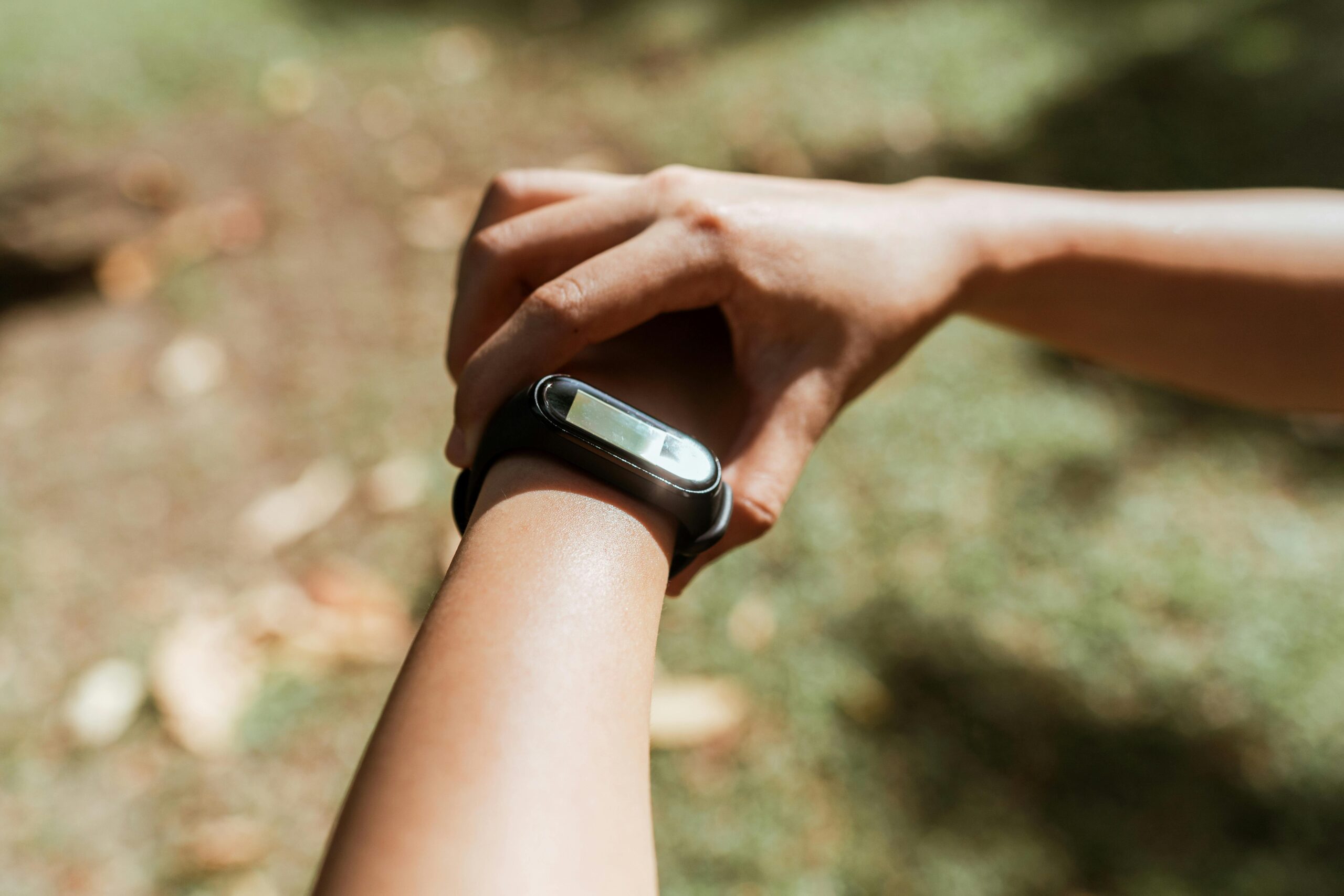
Wearable sleep trackers can provide additional insights into your sleep architecture, though they’re not perfectly accurate. Use them as general guides rather than definitive measurements. Pay attention to trends over time rather than obsessing over individual night’s data, as this can create anxiety that actually worsens sleep quality.

✨ Your Path to Circadian Mastery
Mastering your circadian rhythms isn’t about perfection—it’s about creating consistent patterns that work with your biology rather than against it. Start by implementing one or two strategies from this article, allowing several weeks for your body to adapt before adding more changes. The most impactful initial steps are typically establishing a consistent wake time and getting morning light exposure.
Remember that your circadian system evolved over millions of years to respond to natural environmental cues. Modern life has disrupted these patterns in just a few generations, but your biology hasn’t fundamentally changed. By reintroducing key signals—regular light-dark cycles, consistent timing, appropriate temperature, and aligned activity patterns—you can restore the natural rhythm that supports optimal rest and vibrant daytime energy.
The benefits of circadian alignment extend far beyond just feeling more rested. Research continues to reveal how these internal rhythms influence virtually every aspect of health, from immune function to mental clarity to longevity. By investing effort in understanding and optimizing your circadian rhythms, you’re not just improving your sleep—you’re enhancing your entire quality of life.