The modern workplace is undergoing a transformation where employee wellbeing has become just as important as productivity, fundamentally changing how we design corporate environments.

For decades, workplace design focused primarily on efficiency and functionality, often overlooking the profound impact that physical and psychological environments have on employee health. Today’s forward-thinking organizations recognize that investing in workplace wellness isn’t just an ethical imperative—it’s a strategic business decision that directly influences recruitment, retention, productivity, and overall organizational success.
The statistics are compelling: companies with robust wellness programs report up to 25% lower healthcare costs, 32% reduction in workplace accidents, and significantly improved employee engagement scores. As we navigate an era where talent is the most valuable commodity and work-life integration has replaced traditional work-life balance, designing for corporate health and happiness has never been more critical.
🏢 The Evolution of Workplace Wellness Design
Workplace wellness has evolved dramatically from simple gym memberships and occasional health screenings to comprehensive, integrated approaches that address physical, mental, emotional, and social wellbeing. Modern workplace design acknowledges that employees spend approximately one-third of their lives at work, making the corporate environment a powerful determinant of overall health outcomes.
Traditional office layouts with cubicles, fluorescent lighting, and sedentary workstations have given way to dynamic environments that encourage movement, collaboration, and connection. This shift reflects emerging neuroscience and behavioral research demonstrating how environmental factors directly influence cognitive function, creativity, stress levels, and interpersonal relationships.
The COVID-19 pandemic accelerated this transformation, forcing organizations to reimagine not only where work happens but how workplace design can support immunity, mental health, and flexibility. Hybrid work models have introduced new complexities, requiring spaces that serve multiple functions and accommodate diverse working styles while maintaining community and culture.
Biophilic Design: Bringing Nature Into the Workplace 🌿
Biophilic design—integrating natural elements into built environments—has emerged as one of the most effective strategies for enhancing workplace wellness. Research consistently shows that exposure to nature, even in simulated forms, reduces stress hormones, improves mood, enhances cognitive performance, and accelerates recovery from mental fatigue.
Implementing biophilic principles doesn’t require transforming offices into greenhouses. Strategic interventions can include maximizing natural light through larger windows and skylights, incorporating living walls or plant installations, using natural materials like wood and stone, and creating views of outdoor landscapes. Even nature-inspired patterns, colors, and textures can trigger positive psychological responses.
Companies like Amazon, which built spherical conservatories at its Seattle headquarters, and Google, with its outdoor meeting spaces and rooftop gardens, demonstrate how biophilic design can become a defining organizational characteristic. These investments communicate values, strengthen employer branding, and create environments where people genuinely want to spend time.
Practical Biophilic Interventions
Organizations don’t need unlimited budgets to incorporate biophilic elements. Simple, cost-effective strategies include introducing desk plants, using natural color palettes, installing water features that provide soothing sounds, and creating outdoor work areas or walking paths. The key is consistency and intentionality—ensuring natural elements are distributed throughout the workspace rather than concentrated in executive areas or reception lobbies.
Movement-Centric Design: Combating Sedentary Work Culture
Sedentary behavior has been labeled “the new smoking” by public health experts, with prolonged sitting linked to cardiovascular disease, metabolic syndrome, musculoskeletal disorders, and even certain cancers. Workplace design plays a crucial role in either enabling or disrupting sedentary patterns that dominate most office environments.
Movement-centric design incorporates principles that naturally encourage physical activity throughout the workday. This includes strategically locating amenities like printers, water stations, and restrooms to require walking; designing attractive, visible staircases that invite use over elevators; and creating standing meeting areas or walking paths for phone calls and casual conversations.
Adjustable sit-stand desks have become increasingly common, allowing employees to vary their posture throughout the day. However, research suggests that simply providing equipment isn’t enough—workplace culture must actively encourage movement, with leaders modeling healthy behaviors and organizations creating social norms that normalize standing, walking, and movement breaks.
Active Workstations and Alternative Seating
Beyond traditional desks and chairs, innovative organizations are experimenting with treadmill desks, cycling workstations, stability ball chairs, and floor cushions that engage core muscles. While these alternatives aren’t appropriate for all tasks or individuals, offering variety allows employees to choose options that support their comfort, productivity, and physical needs.
Mental Health Sanctuaries: Designing for Psychological Wellbeing 🧠
As mental health awareness increases and stigma gradually decreases, forward-thinking workplaces are incorporating dedicated spaces that support psychological wellbeing. These environments acknowledge that mental health isn’t separate from physical health but an integrated component of overall wellness that deserves intentional design consideration.
Quiet rooms, meditation spaces, and relaxation areas provide employees with opportunities to decompress, practice mindfulness, or simply escape overstimulating environments. These spaces should be genuinely private, acoustically isolated, and designed with calming aesthetics—soft lighting, comfortable seating, natural elements, and minimal visual clutter.
Technology can support mental wellness initiatives through apps that guide meditation, breathing exercises, or cognitive behavioral techniques. Organizations increasingly provide subscriptions to mental health platforms that employees can access both at work and home, creating continuity of care and reducing barriers to support.
Reducing Cognitive Overload
Modern work environments often bombard employees with sensory stimulation—noise from conversations and equipment, visual clutter, constant interruptions, and digital notifications. Designing for mental health means creating zones with varying stimulation levels, allowing employees to match their environment to their tasks and preferences.
Acoustic design deserves particular attention. Open office layouts, while promoting collaboration, can create noise levels that increase stress and decrease concentration. Sound-absorbing materials, white noise systems, and clearly defined quiet zones help manage acoustic environments without sacrificing openness and connection.
🍎 Nutrition and Hydration: Fueling Wellness Through Design
Workplace design profoundly influences eating behaviors and nutritional choices. Cafeterias, break rooms, and food availability shape what, when, and how employees eat during their workday—decisions that accumulate to significantly impact health outcomes.
Wellness-oriented food environments make healthy choices the default and easy option. This includes prominent placement of fruits, vegetables, and whole foods; making water more accessible and visible than sugary beverages; using smaller plates to encourage portion awareness; and providing nutritional information without judgment or shame.
The design of eating spaces also matters. Creating inviting, comfortable areas with natural light and pleasant aesthetics encourages employees to take proper meal breaks rather than eating at their desks—a practice associated with poor digestion, reduced satisfaction, and continued work stress.
Hydration Stations and Smart Design
Proper hydration improves cognitive function, energy levels, and physical health, yet many employees remain chronically dehydrated. Strategic placement of water stations, attractive water features, and reusable bottle programs can significantly increase consumption. Some organizations incorporate flavored water options or fresh fruit infusions to make hydration more appealing.
Social Connection: Designing Spaces That Build Community
Social isolation and loneliness have emerged as significant public health concerns with profound impacts on mental and physical health. Workplace relationships serve as crucial protective factors, yet many office designs inadvertently isolate employees or limit meaningful interaction opportunities.
Wellness-focused design intentionally creates spaces that facilitate both planned and spontaneous social connections. This includes comfortable communal areas, café-style settings for informal conversations, game rooms or recreational spaces, and outdoor gathering areas. The goal is providing variety—quiet spaces for focused work and vibrant spaces for connection and collaboration.
Community-building design extends beyond physical spaces to include programs and activities that bring people together around shared interests. Workplace wellness challenges, group fitness classes, volunteer opportunities, and social events leverage physical environments while creating cultural norms that value connection and community.
Flexibility and Personalization: Honoring Individual Differences ✨
One-size-fits-all approaches to workplace design fail to recognize the significant individual differences in preferences, needs, work styles, and health conditions. The most effective wellness-oriented environments offer flexibility and options, empowering employees to customize their experience within reasonable parameters.
Activity-based working models provide diverse space types—focus rooms for concentration, collaboration areas for teamwork, social spaces for connection, and quiet zones for restoration. Employees choose environments based on their tasks and preferences rather than being assigned permanent workstations that may or may not support their needs.
Personalization extends to environmental controls when possible. Individual temperature adjustments, lighting preferences, and acoustic management allow people to create microclimates that support their comfort and productivity. While complete individualization isn’t always feasible, even small choices communicate respect for employee autonomy and wellbeing.
Technology Integration: Smart Wellness Solutions 📱
Technology serves as both a wellness challenge and opportunity. While excessive screen time, constant connectivity, and digital overload contribute to stress and health problems, thoughtfully implemented technology can support wellness initiatives, provide valuable data, and create more responsive environments.
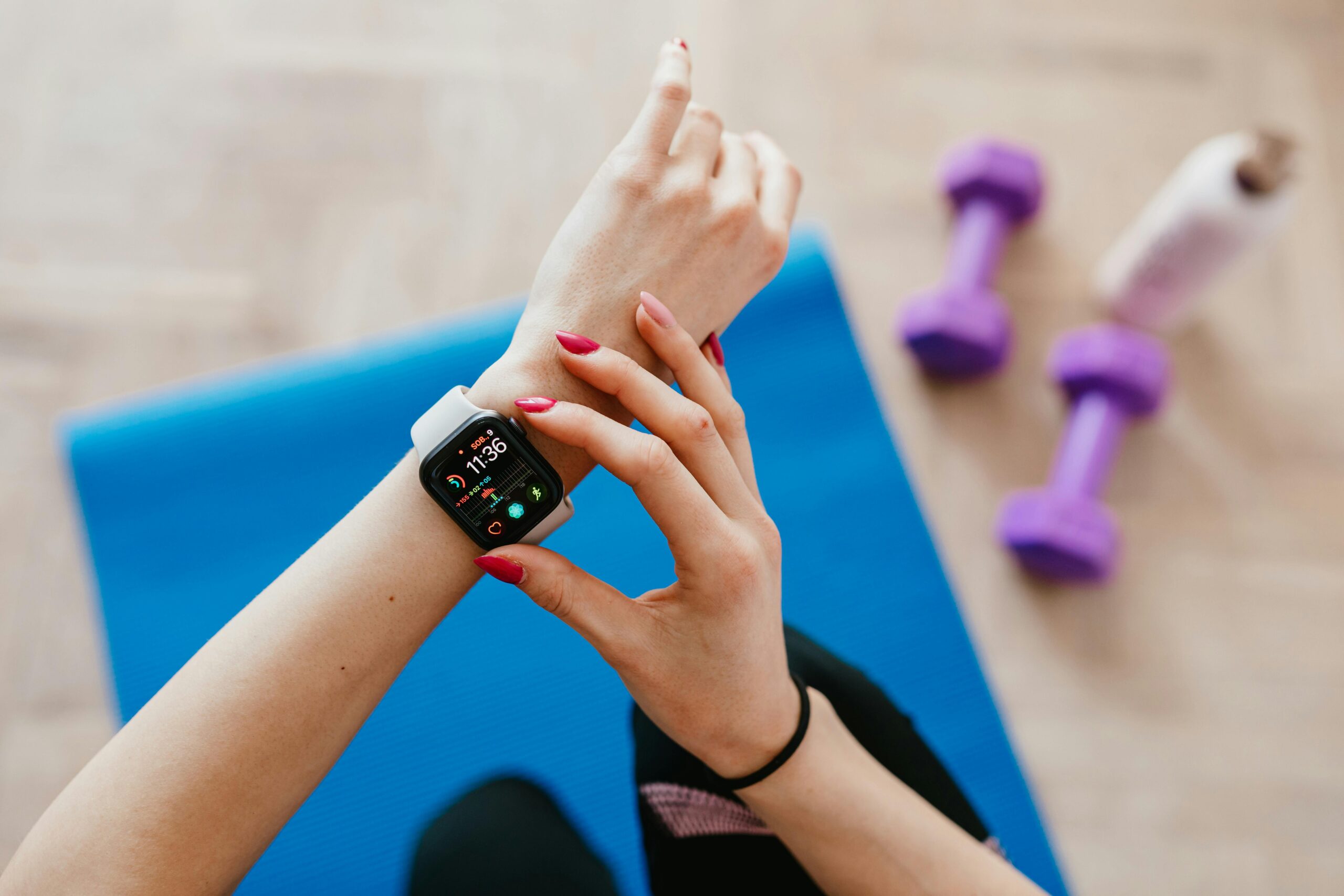
Smart building systems can optimize lighting, temperature, and air quality based on occupancy patterns and environmental conditions. Wearable devices and wellness apps help employees track activity, sleep, stress levels, and other health metrics, providing personalized insights and recommendations.
Organizations should approach wellness technology with intentionality, ensuring tools genuinely support employee wellbeing rather than creating additional stress or surveillance concerns. Transparency about data collection, voluntary participation, and demonstrated value help build trust and engagement.
Measuring Success: Metrics That Matter
Effective workplace wellness design requires ongoing evaluation and refinement. Organizations should establish clear metrics that capture both quantitative outcomes and qualitative experiences, recognizing that some benefits manifest immediately while others emerge over time.
Relevant metrics might include employee engagement scores, turnover rates, absenteeism and presenteeism data, healthcare costs, workplace injury rates, and productivity measures. Equally important are subjective assessments—employee satisfaction surveys, focus groups, and feedback mechanisms that capture how people experience their work environment.
Successful organizations view workplace wellness design as an iterative process rather than a one-time initiative. Regular assessment, employee involvement in design decisions, and willingness to experiment and adjust based on evidence create dynamic environments that evolve with organizational needs and employee preferences.
🌟 Creating Culture Through Design
Physical environments powerfully communicate organizational values and priorities. Workplaces that prioritize wellness design send clear messages that employee health matters, that the organization recognizes people as whole human beings rather than merely productive resources, and that long-term sustainability matters more than short-term extraction.
However, design alone cannot create healthy workplace cultures. Physical environments must align with policies, leadership behaviors, and organizational practices that genuinely support wellbeing. Flexible work arrangements, reasonable workloads, psychological safety, and authentic leadership commitment transform wellness design from superficial amenity to meaningful cultural foundation.
The most successful wellness initiatives integrate design with comprehensive programs addressing multiple wellbeing dimensions. Physical environments support but don’t replace quality healthcare benefits, mental health resources, professional development opportunities, and fair compensation—all essential components of genuine workplace wellness.
Investment Justification: The Business Case for Wellness Design
While some organizations embrace wellness design from purely ethical motivations, most require compelling business justifications. Fortunately, evidence increasingly demonstrates that workplace wellness initiatives generate significant return on investment through multiple pathways.
Healthcare cost reduction represents one quantifiable benefit, with comprehensive wellness programs reducing medical claims and insurance premiums. Decreased absenteeism and presenteeism directly impact productivity, with healthy employees performing better and missing fewer workdays. Improved retention reduces recruitment and training costs, particularly important in competitive talent markets.
Perhaps most significantly, wellness-oriented workplaces enhance employer branding and recruitment effectiveness. As employees increasingly prioritize wellbeing and organizational culture in employment decisions, visible wellness commitments become powerful differentiators that attract top talent and strengthen competitive positioning.

Looking Forward: The Future of Workplace Wellness
Workplace wellness design continues evolving as research advances, technology develops, and societal attitudes shift. Emerging trends include greater emphasis on environmental sustainability as a wellness component, recognition that planetary and human health are interconnected, and increased focus on equity—ensuring wellness resources are accessible to all employees regardless of role or status.
Hybrid and remote work models present both challenges and opportunities for workplace wellness. Organizations must extend wellness thinking beyond physical offices to support employee health wherever work happens, while ensuring office environments provide compelling reasons to gather in person—connection, collaboration, and experiences unavailable at home.
As artificial intelligence and data analytics advance, increasingly sophisticated environmental responsiveness becomes possible. Future workplaces may dynamically adjust lighting, temperature, air quality, and acoustic properties based on real-time occupancy, preferences, and environmental conditions, creating truly personalized wellness experiences at scale.
The revolution in workplace wellness design reflects a fundamental shift in how we conceptualize work, productivity, and human flourishing. Organizations that embrace this transformation—designing intentional environments that support physical health, mental wellbeing, social connection, and personal growth—will not only enhance employee lives but build more resilient, innovative, and successful enterprises. The question is no longer whether to invest in workplace wellness design, but how quickly and comprehensively organizations can implement these essential changes. The future of work is undeniably healthier, happier, and more human-centered, with physical environments serving as powerful enablers of this more holistic vision.